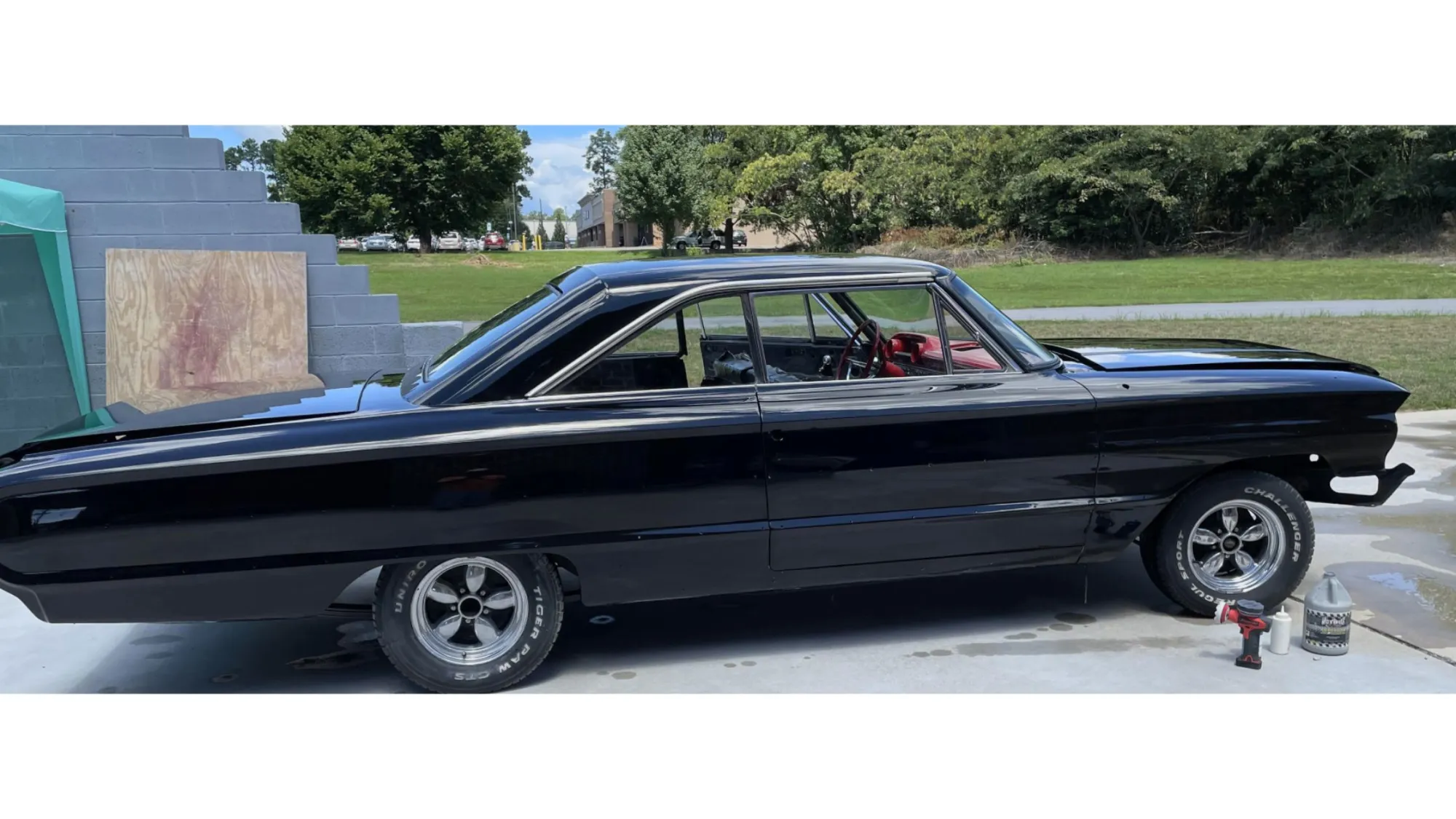

When it comes to classic car restoration, it starts long before anyone sands a fender. Most owners underestimate how much of the job happens on paper and on a lift. A restoration that looks flawless at a car show can hide sloppy metalwork, while a rough looking project can hide a very solid frame. So instead of chasing the shiny finish first, this guide follows the order that experienced restorers actually work in, from the first teardown to the final polish.
Where Should a Restoration Actually Begin?
It begins with documentation. Photograph the car from every angle, bag and label wiring and hardware as it comes off, and note which parts are original, replaced or missing. Those records save hours during reassembly, especially on cars where a single trim clip no longer ships from any parts counter.
Next comes a structural assessment, where the restorer checks the frame, floor pans, rocker panels and cowl for rot and old accident repairs. A magnet or paint thickness gauge exposes heavy filler hiding under the surface. As a result, you learn the true scope of the project before you commit to a budget instead of after.
How Do You Strip a Car Without Damaging Good Metal?
Stripping methods matter because aggressive ones warp thin sheet metal. Chemical strippers work slowly but gently, sanding offers control but creates a lot of dust, and media blasting moves fast but needs the right media and pressure for body panels. Dustless blasting mixes water with the abrasive, which keeps heat and airborne dust down, so panels stay straighter and the shop stays cleaner.
Once bare metal shows, flash rust can return within hours in humid air, so restorers apply epoxy primer quickly. That coat seals the surface and gives every later layer something stable to grip. Therefore, the gap between stripping and priming should stay as short as the schedule allows.
Why Does Metalwork Decide Everything Else?
Every smooth reflection on a finished car traces back to the metal underneath. When people search for car classic restoration, they often picture the paint, yet panel gaps, door fit and body lines come from patient shaping and welding. Restorers cut out rusted areas, fabricate patch panels and weld them with controlled heat, then dress the seams so the original contour returns.
Filler plays a small part in that process, and a thin skim over properly shaped metal is perfectly normal. Thick layers, on the other hand, shrink and crack over time. Accordingly, a good restorer measures the filler depth on every panel before moving on to primer.
What Should You Know Before Setting a Budget and Timeline?
Restoration costs climb fastest where owners expect them least, so it helps to plan around these common cost drivers:
- Rust repair: hidden corrosion in floors, trunk pans and lower fenders often spreads once panels come off.
- Parts sourcing: reproduction panels may need extra fitting, while rare trim can take months to locate.
- Paint preparation: block sanding and primer stages take more labor than the color coat itself.
- Chrome and brightwork: replating usually goes to outside specialists and adds weeks to the schedule.
- Mechanical systems: brakes, wiring and fuel lines often need replacing before the car is safe to drive.
Because these variables shift as the work progresses, ask your restorer for a phased plan with your approval at each stage. That way, you control spending and see real progress at every checkpoint instead of waiting for one big reveal.
Ready to Start Your Classic Restoration With J & M?
J & M Auto Body and Repairs LLC handles classic car restoration alongside collision repair and dustless blasting, so stripping, metalwork and paint planning stay under one roof. Tell the team what you own, what you want it to become and how you plan to use it. From there, you get a restoration plan built around your car instead of a one size fits all package.

























Sign in to leave a comment.