Clean Eating Guide 2026: Simple Steps to a Healthier Plate

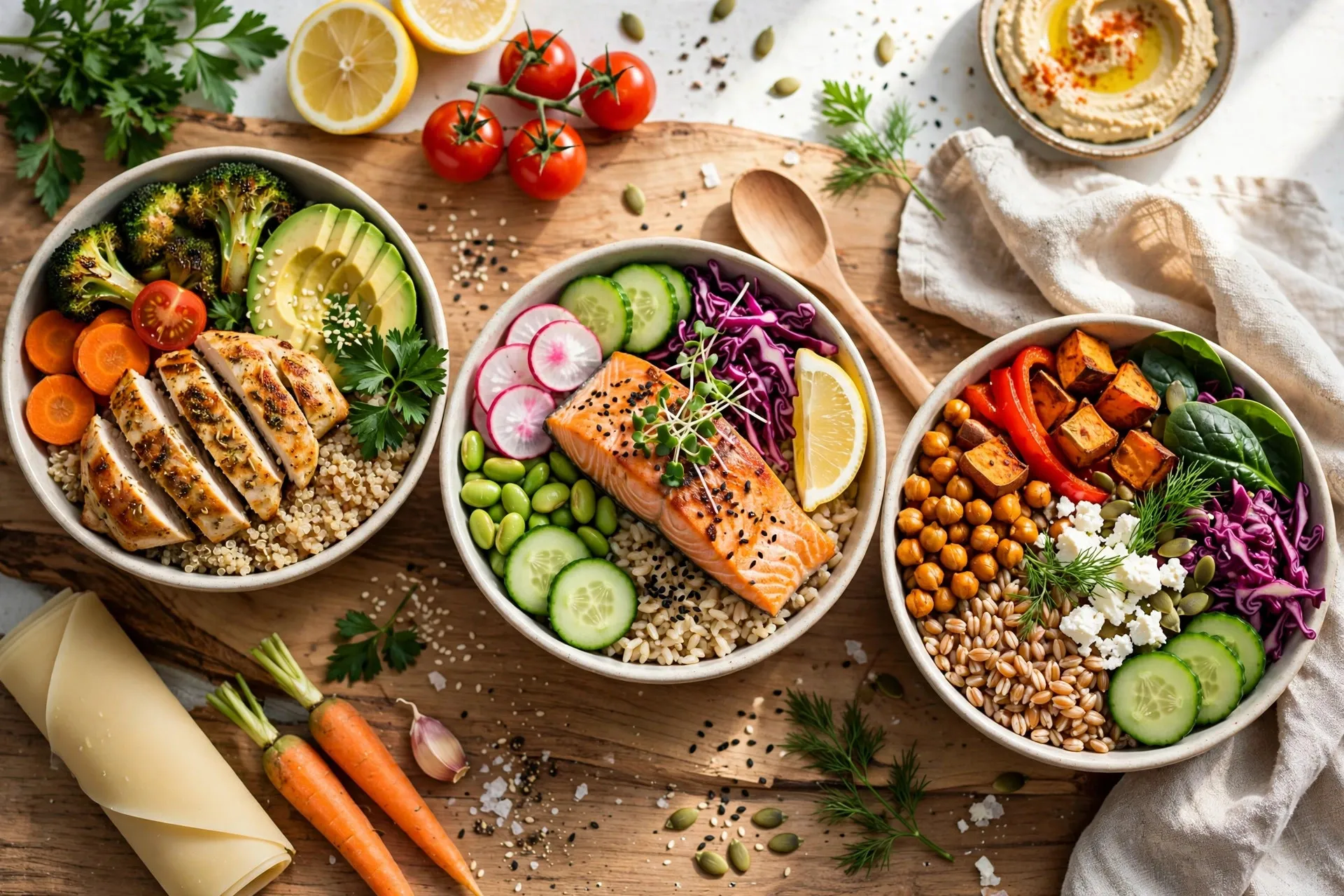
Clean eating is not a diet, a cleanse, or a thirty-day challenge. It is a practical way of thinking about food that focuses on whole, minimally processed ingredients and meals you can actually enjoy. If you have ever stood in a grocery aisle wondering which foods truly support your health, this guide will give you a clear, realistic path forward.
Introduction to Clean Eating
Clean eating means choosing foods that are as close to their natural state as possible. Fresh vegetables, fruits, whole grains, lean proteins, legumes, nuts, and seeds form the foundation, while heavily processed products with long ingredient lists take a back seat. It is not about perfection or eliminating entire food groups overnight. Instead, it is about making small, consistent upgrades to the way you shop, cook, and eat.
One of the reasons clean eating has stayed popular into 2026 is its flexibility. There is no strict calorie counting, no banned macronutrient, and no expensive membership required. You simply learn to read labels, cook a little more at home, and pay attention to how different foods make you feel. Over time, these habits compound into meaningful change.
Benefits of a Clean Diet
People who shift toward cleaner eating often report steadier energy throughout the day. Whole foods release energy more gradually than sugary snacks and refined carbohydrates, which helps you avoid the mid-afternoon crash that sends so many people back to the vending machine.
A clean diet also supports healthy digestion. Fiber-rich vegetables, fruits, beans, and whole grains feed the beneficial bacteria in your gut, and a balanced gut microbiome is linked to better immunity, improved mood, and even healthier skin. Many people notice less bloating and more regular digestion within a few weeks of cutting back on ultra-processed foods.
There are longer-term benefits too. Diets built around whole foods tend to be naturally rich in vitamins, minerals, and antioxidants while being lower in added sugars, sodium, and unhealthy fats. Research consistently associates this style of eating with a healthier heart, better weight management, and a lower risk of chronic conditions such as type 2 diabetes.
Foods to Embrace
Building a cleaner plate starts with knowing what to reach for. Fill half your plate with colorful vegetables such as leafy greens, broccoli, bell peppers, carrots, and tomatoes. Add a serving of fruit, especially berries, citrus, and apples, which deliver fiber and antioxidants.
Choose whole grains like brown rice, oats, quinoa, barley, and whole-wheat bread instead of refined versions. For protein, lean options work best: chicken, turkey, fish, eggs, tofu, lentils, chickpeas, and black beans. Healthy fats deserve a place as well, so include avocados, olive oil, almonds, walnuts, chia seeds, and flaxseeds.
Herbs, spices, garlic, lemon, and vinegar are your best friends in a clean kitchen. They add big flavor without added sugar or sodium, making it easier to enjoy simple meals. For trustworthy meal ideas and practical guidance as you build these habits, resources like CleanPlateGuide can help you stay inspired week after week.
Foods to Limit or Avoid
Clean eating is not about fear, but some foods genuinely deserve a smaller role in your diet. Sugary drinks, including soda, sweetened coffee drinks, and energy drinks, deliver a large dose of added sugar with almost no nutrition. Highly processed snacks such as chips, candy, pastries, and packaged desserts are engineered to be overeaten and rarely satisfy hunger for long.
Watch out for processed meats like bacon, sausage, and deli meats, which are typically high in sodium and preservatives. Refined grains, including white bread, white rice, and many breakfast cereals, have been stripped of fiber and nutrients. Frozen meals and fast food can be convenient, but they often hide excess sodium, unhealthy fats, and additives.
You do not need to banish these foods forever. The goal is to make them occasional choices rather than daily staples, and to replace them gradually with whole-food alternatives you genuinely like.
Meal Planning Tips
Meal planning is the secret weapon of clean eating. When healthy food is ready and waiting, you are far less tempted by takeout. Start by choosing two or three dinners for the week and writing a shopping list around them. Keep breakfasts and lunches simple and repeatable, such as overnight oats, smoothies, grain bowls, or big salads with protein.
Batch cooking saves both time and money. Cook a large pot of brown rice or quinoa, roast a sheet pan of mixed vegetables, and prepare a protein such as grilled chicken or baked tofu on the weekend. Store everything in clear containers so you can mix and match meals in minutes.
Prep healthy snacks too. Cut vegetables, portion out nuts, boil eggs, or make hummus so that nutritious options are as easy to grab as a bag of chips. Finally, stay flexible. Plans change, and that is fine. Having a few clean staples on hand means you can always throw together a balanced meal, even on a chaotic day.
Clean Eating on a Budget
A common myth is that eating clean is expensive. In reality, some of the healthiest foods are also the cheapest. Dried beans, lentils, oats, brown rice, bananas, carrots, cabbage, and frozen vegetables cost very little and form the backbone of countless nutritious meals.
Buy seasonal produce, which is fresher and cheaper, and compare prices between fresh and frozen. Frozen fruits and vegetables are picked at peak ripeness and are just as nutritious as fresh, often at a fraction of the price. Store brands of whole grains, canned beans, and nuts can cut costs significantly.
Reduce waste to stretch your budget further. Plan meals around ingredients you already have, freeze leftovers before they spoil, and turn extra vegetables into soups, stir-fries, or frittatas. Eating clean on a budget is mostly about smart shopping and a little creativity, not expensive superfoods.
Conclusion
Clean eating in 2026 is refreshingly simple: eat more whole foods, cook at home when you can, read your labels, and be kind to yourself through the process. You do not need a perfect pantry or a rigid meal plan to see results. Every vegetable you add, every sugary drink you skip, and every home-cooked meal you enjoy moves you closer to a healthier plate.
Start with one change this week. Maybe it is swapping soda for sparkling water, adding a vegetable to dinner, or planning three clean lunches. Small steps, repeated consistently, are what turn clean eating from a short-term experiment into a lasting lifestyle. Your body will thank you for it.







Sign in to leave a comment.