Clear Aligners Not Fitting Properly: Common Reasons and Next Steps

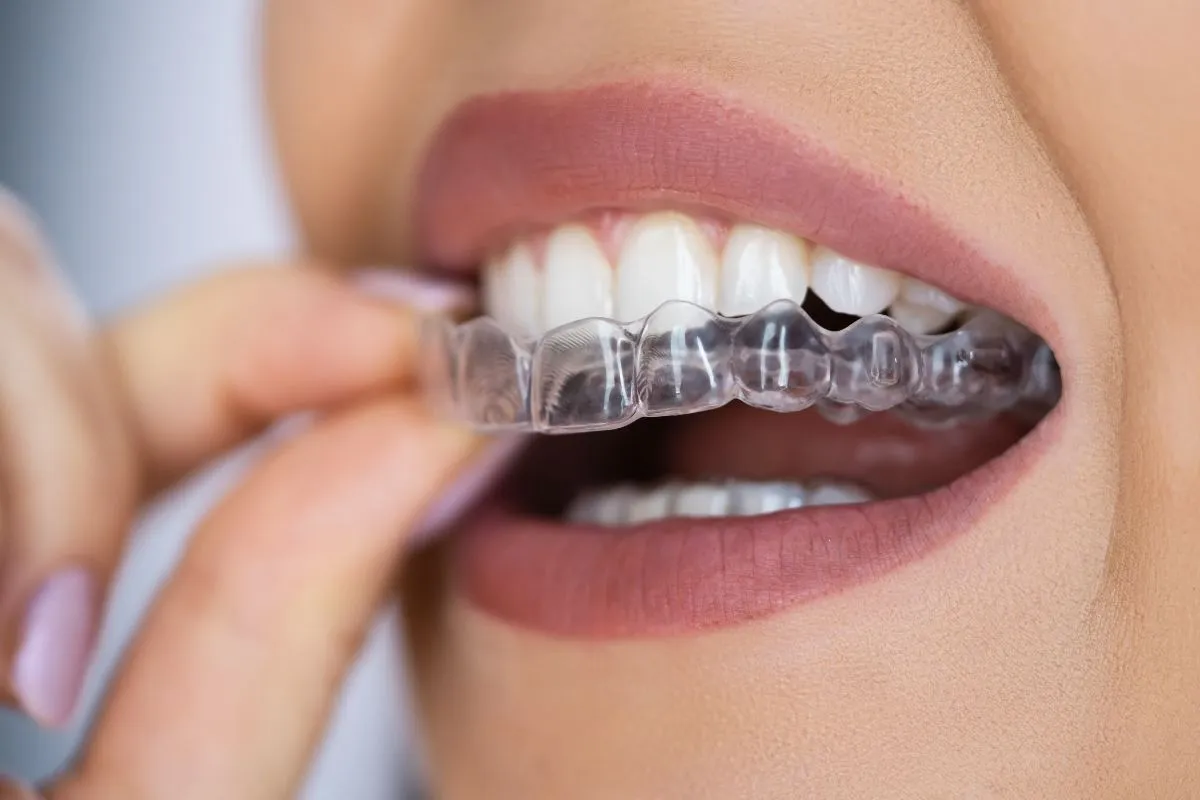
Clear aligners are designed to fit closely around the teeth and apply gentle pressure to guide them into planned positions. If an aligner feels unusually loose, sits above the teeth, or refuses to fit fully over the edges, it may be a sign that treatment is not progressing as expected. Identifying the cause early can help prevent unnecessary delays and protect the treatment plan.
During Invisalign clear aligner treatment, each tray is made to guide specific tooth movements. The next aligner is intended to fit after the teeth have moved sufficiently with the current one. If the teeth have not reached the expected positions, the new tray may feel tight or appear not to seat correctly.
One common reason for poor fit is inconsistent wear. Aligners generally need to be worn for most of the day and night, according to the orthodontist's instructions. Removing them for long periods can give teeth more time to shift back toward their previous positions. As a result, the current tray may stop fitting properly, and the next tray may be even more difficult to seat.
Changing aligners too early can create a similar problem. Each stage of treatment is planned around gradual movement, and teeth may need more time to respond. Advancing to the next tray before the recommended date can leave the aligner unable to fit as intended. Follow the prescribed schedule rather than switching trays based only on how they feel.
Lost or damaged aligners may also disrupt treatment. A tray that has cracked, warped, or been exposed to excessive heat may no longer fit accurately. Avoid using hot water to clean aligners because heat can distort the material. If a tray is damaged or lost, contact the treating provider for instructions instead of deciding independently whether to move forward or return to an earlier tray.
Some aligners are designed to fit over small tooth-colored attachments that help guide movement. If an attachment comes loose, the aligner may not grip the tooth in the intended way. You might notice a gap around the attachment area or feel that the tray has become less secure. Contact the orthodontist if an attachment appears missing or damaged.
The teeth themselves may also be moving more slowly than anticipated. Tooth movement varies from person to person, and certain movements are more difficult to achieve. Rotations, vertical movements, and changes involving several teeth may require close monitoring. Small spaces between the aligner and the biting edge of a tooth can sometimes occur during treatment, but persistent or increasing gaps should be reviewed by the provider.
When an aligner does not fit, first check that you are inserting it correctly and that no food debris is trapped between the tray and teeth. Use any recommended seating aids only as instructed. Do not bite forcefully on the aligner or attempt to bend it to make it fit, as this can damage the tray or apply unintended pressure.
If the aligner still does not seat properly, contact the orthodontist before making changes to the treatment schedule. The provider may recommend wearing the current tray longer, returning temporarily to a previous tray, replacing a damaged aligner, or arranging an examination. The correct response depends on the stage of treatment and the reason for the poor fit.
Do not force a new aligner over the teeth if doing so causes significant pain or prevents it from seating. Mild pressure when changing trays can be normal, but severe pain, a sharp edge that injures the gums, or a sudden change in the bite should be assessed. Swelling, persistent bleeding, or a loose permanent tooth also requires professional attention.
Good daily habits can reduce the risk of fit problems. Wear aligners for the recommended number of hours, remove them before eating unless instructed otherwise, and clean both the trays and teeth regularly. Store aligners in their protective case when they are not being worn to prevent loss or accidental damage.
Keep every appointment recommended by the orthodontist. Follow-up visits allow the provider to assess tooth movement, check attachments, and make adjustments when necessary. If you notice a fit problem between appointments, contact the office rather than waiting if the issue may affect the next stage of treatment.
A poorly fitting aligner does not necessarily mean treatment has failed. It may reflect missed wear time, a damaged tray, an attachment issue, or tooth movement that needs more time. Early communication with the orthodontic team can help identify the cause and determine the safest next step.






Sign in to leave a comment.