

Closed-cell foam solutions provide a high-performance answer to common energy waste problems found in local properties. By creating a dense and rigid barrier, this material stops air from escaping through walls while blocking cold drafts from entering. It serves as both a high-R-value thermal layer and a built-in air seal in one application.
Property owners will find that Eugene’s unique climate requires specific materials to maintain indoor comfort. Because air leakage can account for up to 40 percent of a building’s total energy loss, addressing these gaps is a priority. This article explains how these materials work, their benefits in high-humidity areas, and what to look for when choosing professional installation.
The science of stopping air movement in walls
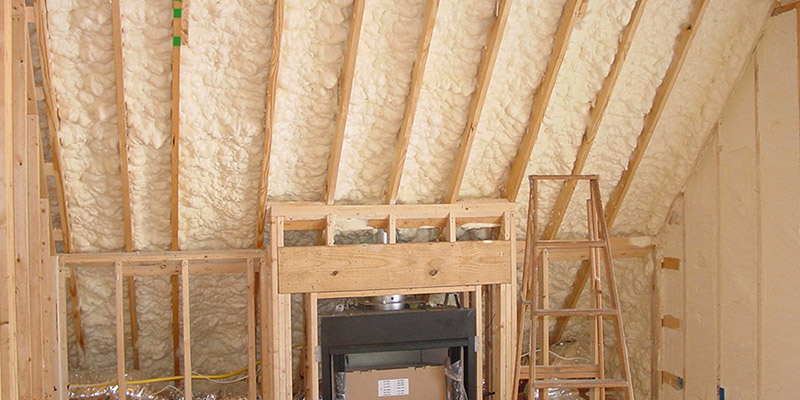
Air leakage occurs when air moves through gaps, cracks, or porous materials in a wall assembly. Traditional insulation types like fiberglass often allow air to pass through them, which reduces their effectiveness. Closed-cell foam solutions work differently because the cells within the foam are tightly packed and filled with a gas that helps the foam expand and harden.
Once applied, the foam expands into every small crevice, creating a seal that is impossible to achieve with manual batting. This expansion ensures that even the smallest holes around electrical outlets, plumbing stacks, and rim joists are completely filled. This dual action of sealing and insulating is why many builders in the Pacific Northwest prefer this method for high-efficiency projects.
Bonus Tip: Before starting an insulation project, check the exterior of the walls for visible gaps. Sealing large holes from the outside first can help the interior spray foam perform even better.

How does closed-cell foam stop energy loss in Eugene?
The climate in Eugene is known for its damp winters and high relative humidity. Standard insulation materials can sometimes trap moisture, which leads to mold growth or reduced thermal performance. Using closed-cell spray foam insulation provides a solution that is naturally resistant to water.
The density of this foam acts as a vapor retarder. In many cases, it eliminates the need for an additional plastic vapor barrier because the foam itself does not let moisture pass through it. This is particularly useful in the Willamette Valley, where keeping walls dry is a constant struggle for many homeowners.
Closed-cell foam solutions also offer a higher R-value per inch than almost any other material on the market today. While fiberglass might provide an R-value of 3.0 to 3.7 per inch, closed-cell foam typically delivers around 6.5 to 7.0 per inch. This means property owners can get more insulating power in thinner wall cavities.
Comparing wall insulation performance metrics

Structural advantages of dense foam applications
Beyond thermal performance, closed-cell insulation services offer a benefit that many people do not expect. Because the foam is dense and adheres strongly to the wall studs and sheathing, it actually increases the structural integrity of the building. Studies have shown that walls filled with this foam can have significantly higher racking strength.
This added rigidity helps buildings better withstand wind loads and minor seismic activity. In older Eugene homes where the framing may have loosened over decades, the foam acts like a glue that bonds the components together. This reduces wall vibrations and can even make the interior of the home feel more solid and quiet.
Things to evaluate before choosing an insulation method
Several factors should be considered before deciding which product is right for specific walls. While the performance of foam is high, the initial cost is often higher than that of traditional materials. Property owners need to look at the long-term energy savings to determine the true value of the investment.
- Check the age of the electrical wiring to ensure it is compatible with spray applications.
- Evaluate the current ventilation in the home as a tighter seal requires proper air exchange.
- Assess the accessibility of the wall cavities if retrofitting an existing building.
- Verify that the installers are certified to handle the chemicals and equipment safely.
Bonus Tip: Always ask for a thermal imaging scan after the installation. This allows for a clear view of exactly where the heat is staying inside and confirms that no spots were missed during the spraying process.
The installation process for professional foam sealing
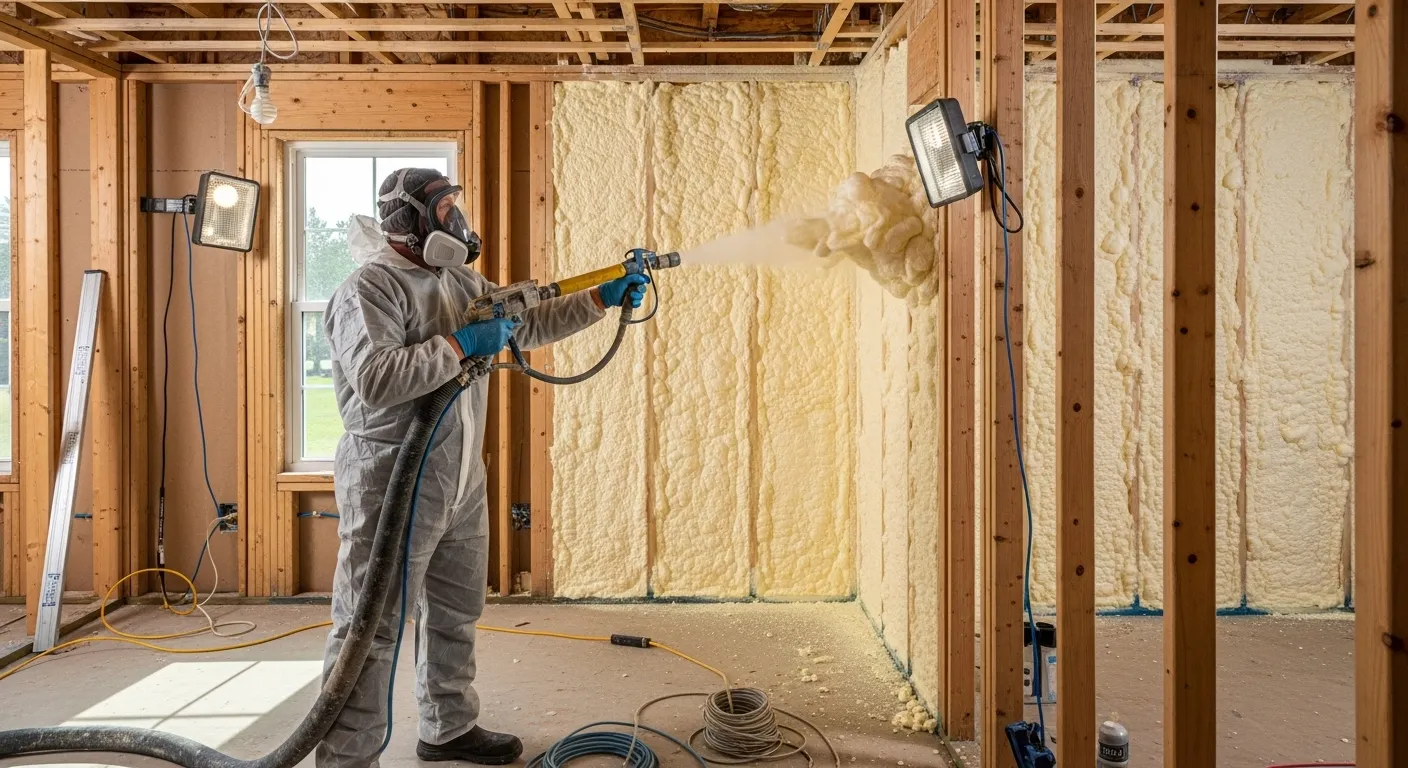
When hiring insulation services in Eugene, OR, the process begins with site preparation. Professionals will cover windows, doors, and floors to protect them from overspray. The two liquid components are heated and pumped through a specialized gun where they mix and react.
The installer sprays the mixture directly into the wall cavities. Within seconds, the liquid expands and hardens into a rigid plastic state. Once it has cured, any excess foam that extends beyond the wall studs is trimmed back so that drywall can be installed flat against the framing. The fast curing time means that other trades can usually get back to work in the area within 24 hours.
Improving indoor air quality through better sealing
Air leakage does more than just waste heat. It also allows outdoor pollutants, allergens, and dust to enter a living space. By using closed-cell foam solutions, property owners effectively shut out these particles. This leads to a cleaner indoor environment, which is a major advantage for people with seasonal allergies.
Because the foam prevents the "stack effect," where air is pulled from the crawlspace or basement up into the living areas, it also helps keep odors and soil gases from moving through the house. A well-sealed home gives residents total control over the air they breathe by ensuring all air enters through mechanical ventilation systems and filters.
Professional help for your insulation and weatherization needs in Oregon
Improving a property's efficiency requires an expert approach to air sealing and thermal barriers. For those looking to address drafts and high utility bills, contacting a specialist like All Foam & Insulation can provide the clarity needed for a project. They offer a range of options, including closed-cell foam solutions to help maintain a comfortable indoor temperature year-round. They can be reached at (541) 826-9600 or via email at [email protected] to discuss specific needs. They provide expert guidance and a free quote to help property owners understand how these services can improve property value and comfort.
Final thoughts on wall insulation upgrades
Solving air leakage and heat loss issues requires a material that can handle the specific demands of the local environment. High R-values and moisture resistance make closed-cell products a top choice for those looking for long-term results. Property owners should weigh the structural benefits and energy savings against their budget to make the best choice. Evaluating ventilation needs alongside insulation upgrades will ensure a healthy and efficient home.
Common questions about wall foam insulation
How long does closed-cell foam last once installed?
This material is designed to last for the life of the building. It does not sag, settle, or shrink over time like fiberglass or cellulose, meaning the R-value stays consistent for decades.
Is closed-cell foam completely waterproof?
It is highly water-resistant and does not soak up moisture like a sponge. While it is not a primary roofing membrane, it acts as a secondary water barrier that protects the interior of the walls.
Can you install this foam in an existing finished wall?
Standard spray foam usually requires removing the drywall. However, some professionals use injection foam methods for finished walls, though the performance and density may differ from sprayed versions.
Does the foam emit odors after installation?
There is a brief off-gassing period immediately after spraying. Once the foam has fully cured, which usually takes 24 hours with proper ventilation, it is inert and does not produce smells.
Will this help with noise reduction between rooms?
While its main job is thermal protection, the dense nature of the foam does help reduce sound transmission. It is particularly effective at stopping the "whistle" of air moving through gaps.
























Sign in to leave a comment.