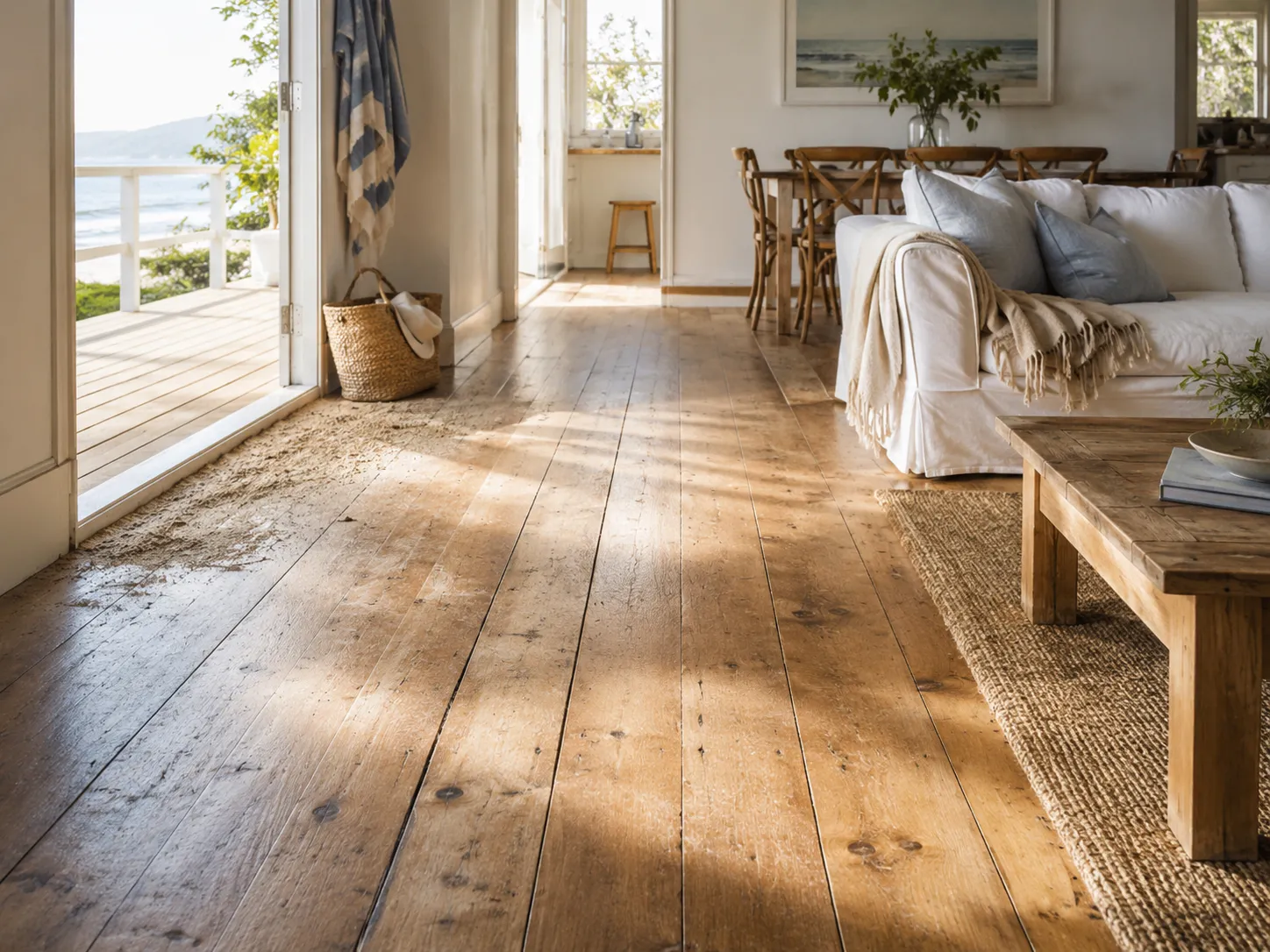

Timber floors have an ability to make a home feel warmer, more established and full of character. In coastal suburbs such as Clovelly, they also suit the relaxed architecture and indoor-outdoor lifestyle found throughout Sydney’s eastern suburbs.
However, living close to the ocean creates a particular set of conditions for timber flooring. Humidity, salt carried through the air, strong sunlight and sand brought home from the beach may all influence how a timber floor looks and wears over time. These are also environmental considerations specifically associated with timber flooring in Clovelly.
Understanding these influences is useful because an older-looking floor is not necessarily a floor that needs replacing. In many cases, the visible changes are concentrated around the surface coating rather than the timber itself.
Why Timber Floors Behave Differently Near the Coast
Timber is a natural material, which means it responds to its surroundings. Changes in humidity may result in minor expansion or contraction, while sunlight and everyday foot traffic gradually affect the appearance of its surface.
These effects happen in many homes, but coastal properties often introduce additional environmental pressures. Clovelly's proximity to the ocean means floors may regularly encounter humid air, salt residue, sand and strong natural light. The local floor sanding page for the suburb identifies humidity, salt air, sunlight and beach sand among the specific considerations affecting timber floors in the area.
For homeowners, this makes maintenance less about keeping a floor looking permanently new and more about managing the way natural timber ages.
Those considering different flooring materials may also find WriteUpCafe's guide to hardwood versus vinyl flooring useful, particularly when comparing the maintenance requirements and characteristics of natural timber with manufactured flooring alternatives.
Four Ways Coastal Living May Affect Timber Floors
1. Humidity and Moisture Changes
One of the main differences between timber and many manufactured flooring products is that wood responds to moisture.
As humidity levels change, floorboards may absorb or release small amounts of moisture. This may lead to subtle movement, including small gaps between boards at certain times of the year or slight expansion when conditions become more humid.
Minor seasonal changes are not necessarily signs of a serious problem. More noticeable cupping, lifting, staining or persistent gaps, however, may suggest that moisture deserves closer attention.
The most useful approach is usually to look for changes over time rather than reacting to every small variation in the floor. Timber is not an entirely static material, particularly in homes exposed to changing coastal conditions.
2. Sand and Grit May Act Like Fine Abrasives
Anyone living within walking distance of the beach knows how easily sand travels.
It comes home on shoes, towels, bags, children's belongings and pets. Even when very little is visible, fine particles may become trapped under footwear or furniture and gradually move across the flooring.
Repeated friction may produce small scratches in the finish. Over time, high-traffic areas such as entrances, hallways and living rooms may begin to appear duller than spaces that receive less foot traffic.
This does not necessarily mean the timber underneath has been badly damaged. Frequently, what homeowners first notice is deterioration of the protective surface coating.
Regular sweeping or vacuuming helps remove abrasive particles before they are repeatedly walked across the floor. Entrance mats are particularly useful in coastal homes because they capture some of the sand before it reaches interior living spaces.
3. Sunlight May Change a Floor's Colour
Natural light is one of the attractions of many coastal homes, but prolonged sunlight also influences the appearance of timber.
Sections of flooring exposed to direct sunlight may gradually look different from areas beneath rugs, furniture or permanent shade. The result may only become obvious when furniture is rearranged and a previously covered section of floor is revealed.
Clovelly's abundant sunlight and the potential for fading or UV-related effects are among the local flooring challenges identified for the suburb.
The degree of colour change depends on several factors, including the timber species, existing coating, amount of sunlight and length of exposure.
Window coverings may help moderate strong direct sunlight, while periodically moving rugs or furniture may reduce very sharp differences between covered and exposed areas.
Some colour development should still be regarded as part of living with natural timber rather than something that must always be prevented.
4. Everyday Wear Becomes More Visible Over Time
Most floors do not deteriorate because of one dramatic event.
Instead, small sources of wear accumulate.
A little beach sand scratches the coating. Dining chairs move back and forth. Shoes repeatedly travel along the same hallway. Sunlight reaches one side of the room every afternoon. A busy family walks through the same entrance hundreds of times each month.
Eventually, sections of flooring may lose their original sheen or appear uneven.
This type of gradual ageing explains why homeowners should distinguish between surface wear and damage to the actual floorboards before assuming that replacement is necessary.
Surface Wear or Timber Damage?
One of the most useful questions to ask about an ageing timber floor is: what exactly has deteriorated?
A floor with fine scratches, dull sections, worn coatings and minor discolouration may have an issue largely concentrated at surface level.
Signs worth looking at more closely might include:
- Loss of sheen in busy areas
- Light scratching
- Small surface marks
- Uneven colour
- Worn sections of coating
- Areas that appear dull despite cleaning
More significant issues may involve:
- Deep gouges in the timber
- Loose floorboards
- Significant cupping or lifting
- Extensive water staining
- Rotten or deteriorated boards
- Structural movement beneath the flooring
The distinction matters because restoring a worn finish is very different from repairing structurally damaged timber.
When Clovelly Floor Sanding May Make Sense
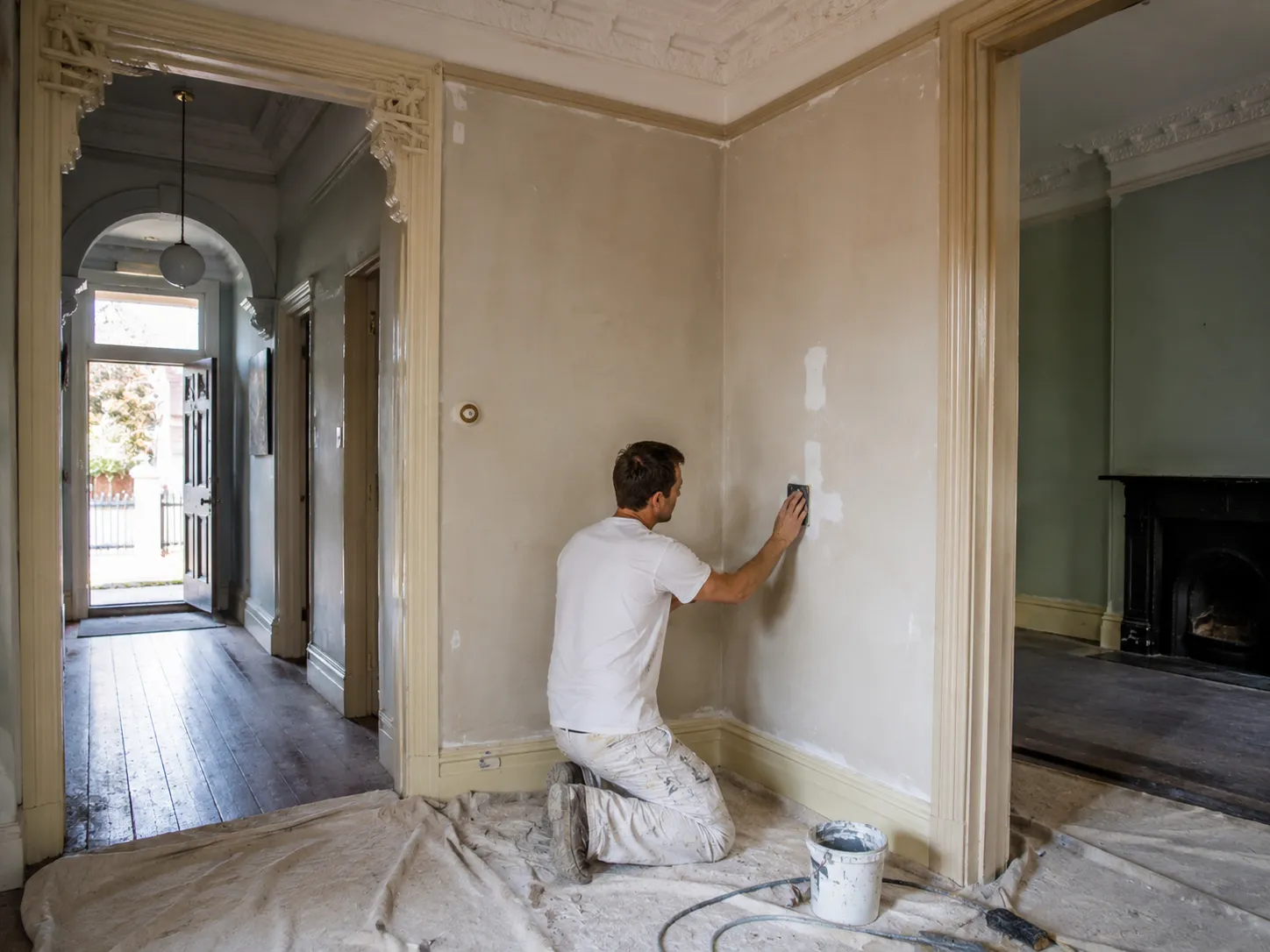
Floor sanding is essentially a process of removing the uppermost worn surface of a timber floor before preparing it for a new finish.
Rather than concealing scratches and worn coatings beneath another layer, sanding removes a controlled amount from the surface. Progressive sanding stages help create a smoother and more even foundation for whatever coating or finish comes next.
For homeowners dealing with accumulated surface wear, learning what is involved in professional Clovelly floor sanding services may be useful when deciding whether an existing timber floor is suitable for restoration rather than complete replacement. The referenced service covers sanding alongside timber polishing, staining and parquet restoration in the Clovelly area.
This is particularly relevant with older floors. Scratches or an outdated finish do not automatically mean that the boards themselves have reached the end of their useful life.
What Actually Happens During Floor Sanding?
Successful sanding involves more than running a sanding machine across the room once.
The process typically involves progressive stages, moving from more abrasive sanding where required towards finer passes that prepare the timber for finishing. Edges and areas that larger equipment does not reach also require attention.
Surface preparation matters because imperfections left behind during sanding may become more noticeable after a finish is applied.
Dust is another practical consideration. Traditional sanding produces fine timber particles, while newer equipment may use dust-containment systems designed to capture much of the material as it is created.
WriteUpCafe has a useful overview comparing dustless floor sanding with traditional sanding, including how the different approaches affect dust collection, preparation and post-sanding clean-up.
For anyone planning a renovation while continuing to live in the property, understanding this part of the process may be just as important as choosing the final appearance.
Choosing a Finish for a Coastal Timber Floor
Sanding prepares the timber, but the finish determines much of the floor's final appearance and influences how it responds to everyday use.
There is no single finish that suits every coastal home.
A household with children, pets and frequent visitors may have different priorities from a low-traffic apartment or formal living space.
Matte, Satin or Higher Sheen?
Sheen affects both style and how surface imperfections are perceived.
Matte finishes create a softer appearance and may make minor dust and scratches less visually prominent. Satin sits somewhere between a flat and highly reflective finish and remains popular in many contemporary interiors.
Higher-sheen finishes create more reflection and may highlight the colour and grain of the timber, although surface marks may become more noticeable under certain lighting.
Rather than selecting a finish purely from a small sample, homeowners should consider how it may look across an entire room exposed to natural light.
For more detail on ongoing care, WriteUpCafe's article on maintaining different types of hardwood floor finishes explores the maintenance considerations associated with different timber floor coatings.
Simple Habits That May Slow Coastal Floor Wear
A floor does not need intensive maintenance every day. A few consistent habits often matter more.
Stop Sand at the Entrance
Good-quality entrance mats help capture grit before it travels through the house.
Removing sandy footwear after returning from the beach may also reduce abrasion, particularly in households where beach visits are a regular part of the week.
Remove Grit Regularly
Sweeping or vacuuming prevents small particles from repeatedly being walked across the flooring.
Pay particular attention to entrances, kitchens, hallways and other high-traffic areas.
Protect the Floor from Furniture
Felt pads beneath chairs, tables and other frequently moved furniture reduce direct scratching.
Dining chairs are especially important because they may move across exactly the same area several times every day.
Deal With Water Promptly
Spills should generally be wiped up rather than left sitting on timber.
Cleaning also does not require flooding the floor with water. Excess moisture may work into joins between boards or remain on the surface longer than intended.
Think About Direct Sunlight
Blinds, shutters and curtains provide flexibility during periods of intense direct sunlight.
Moving rugs occasionally may also help the floor age more evenly rather than creating sharply contrasting covered and uncovered sections.
Why Older Timber Floors Are Often Worth Assessing Before Replacing
Renovation culture sometimes encourages homeowners to remove existing materials simply because they look dated.
Timber flooring deserves a little more consideration.
A tired coating, scratched surface or unfashionable colour may disguise boards that remain structurally sound underneath. Where that is the case, refinishing provides an opportunity to retain the original material while changing how the floor looks.
There is also something difficult to reproduce about timber that has existed within a home for decades. Older boards may contain natural variation, grain patterns and character that work particularly well within established coastal properties.
Restoring rather than automatically replacing also keeps the decision focused on the condition of the actual floor rather than its temporary surface appearance.
Coastal Ageing Doesn't Mean the Floor Has Reached the End
Clovelly floor sanding becomes relevant because coastal timber floors experience a combination of influences that gradually change their appearance.
Humidity may contribute to timber movement. Beach sand creates abrasion. Sunlight affects colour. Normal household traffic wears away at protective coatings.
None of these factors automatically means an old timber floor needs to be removed.
The better starting point is to understand whether the visible deterioration is limited to the surface or extends into the timber itself. From there, homeowners may make a more informed decision about cleaning, maintenance, refinishing, repair or eventual replacement.
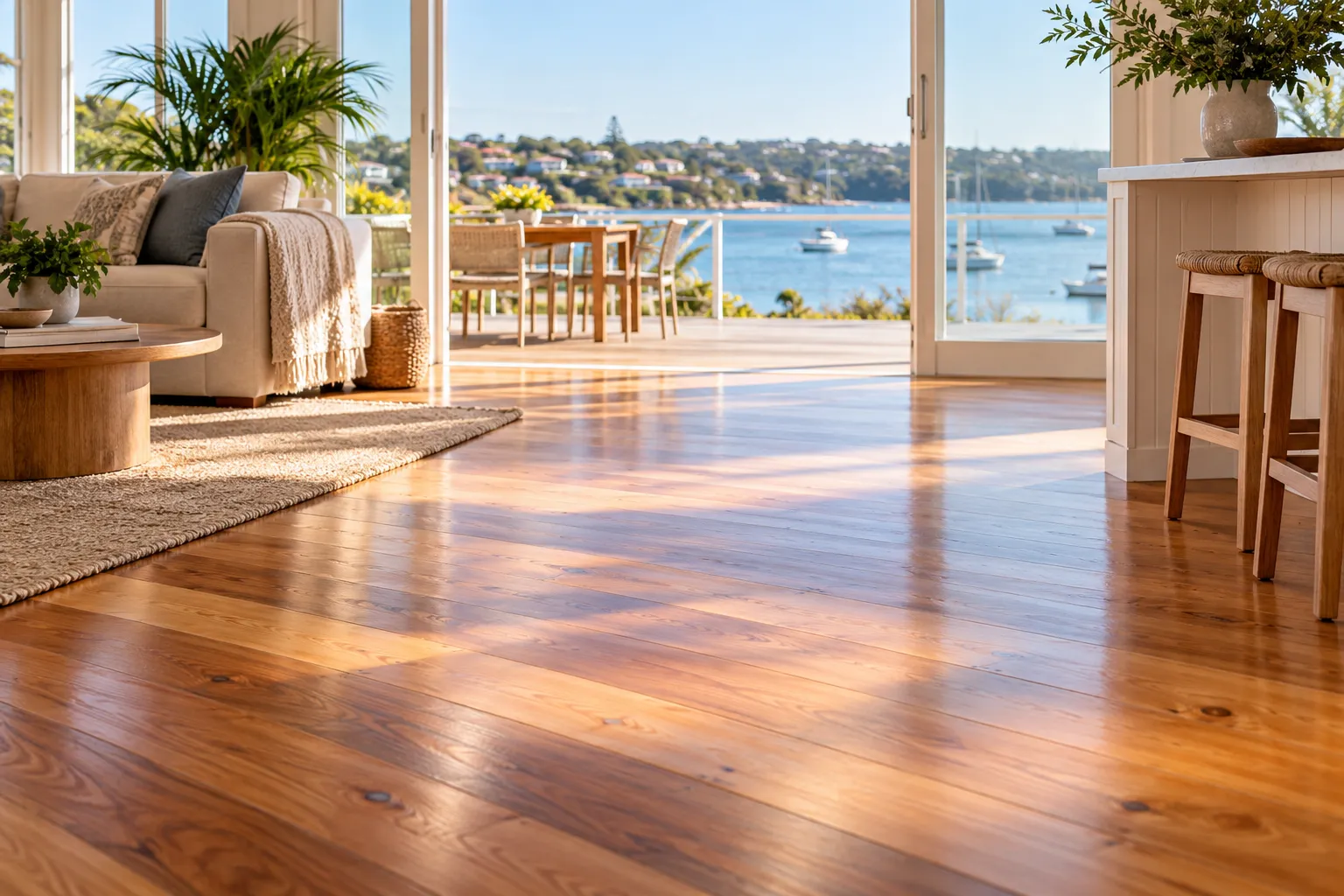
Timber is valued partly because it changes with time. In a coastal home, those changes may happen differently, but thoughtful maintenance and timely restoration may help preserve the warmth and character that made timber flooring appealing in the first place.

























Sign in to leave a comment.