
You send a drawing to a shop. Two weeks later, the part shows up. It is off by a few thousandths of an inch, and now your whole build is stuck.
It happens more often than you would think. And it is almost always avoidable.
If you are searching for CNC milling in Reno, Nevada, you probably have a real part to make and a real deadline. This guide walks you through how the process works, what to watch out for, and how to pick a shop that gets it right the first time. No hard words, no fluff.
What Is CNC Milling? (Quick Answer)
CNC milling is a process where a computer-controlled machine spins a cutting tool to remove material from a solid block. The result is a finished part that matches your drawing.
The machine follows exact instructions, so every part comes out the same. That is why CNC milling is a core piece of CNC machining & precision manufacturing. It works on flat surfaces, curves, pockets, slots, and complex shapes.
Milling is one of several machining processes. Others include turning (spinning the part while a tool cuts it), grinding, and Wire EDM. Many real jobs need more than one of these.
How CNC Milling Works: Step by Step
Here is the process from first call to finished part. Knowing it helps you ask better questions and avoid delays.
Step 1: Start With a Clear Drawing
Everything starts with your print or 3D model. Good drawings show sizes, tolerances, material, and finish. The clearer the drawing, the fewer surprises later.
Step 2: Get a Quote
You send the drawing to the shop. They review it, ask questions, and give you a price and lead time. A good shop will point out anything that looks hard or costly to make.
Step 3: Plan the Job
Machinists decide which machines to use, how to hold the part, and which tools to run. This step matters more than most people realize. A good plan saves time and protects your tolerances.
Step 4: Program the Machine
The programmer turns your design into machine instructions. These tell the tool where to go, how fast to move, and how deep to cut.
Step 5: Set Up and Cut
The machinist loads the material, sets up the tools, and runs a first part. The first part gets a close look before the rest of the run continues.
Step 6: Add Other Processes If Needed
Some parts need turning, grinding, or Wire EDM after milling. If the shop does everything under one roof, the part moves from one machine to the next without waiting on outside vendors.
Step 7: Inspect Every Part
Before anything ships, the part gets measured. A CMM (coordinate measuring machine) checks sizes against your drawing. If a part does not meet the tolerance, it does not go out.
Real-World Examples: Where CNC Milling Shows Up
Here are three typical jobs that show how this works in practice. These are common examples, not specific customer stories.
Hydraulic Components
Hydraulic parts often need tight fits so fluid stays where it belongs. A part like this might be turned, milled, and then ground to final size. If it is off by a hair, it can leak or wear out early.
Large, Multi-Step Industrial Parts
Some parts are big and need several operations. Think of a heavy component that needs milled surfaces, turned diameters, and precise holes. Shops with limited space or equipment often turn these jobs away. A shop built for larger work can keep everything in one place.
Tooling and Mold Parts
Tooling and molds often use hardened steel. Milling handles the general shaping. Wire EDM can then cut exact shapes that regular cutting tools cannot reach. Milling and Wire EDM working together is common in this kind of work.
Key Benefits of Choosing a Local CNC Milling Shop
Working with a shop close to home has real advantages.
- Faster talks. You can call, ask a question, and get a straight answer the same day.
- Easier problem solving. If something looks off, you can walk through it with the team.
- Fewer shipping headaches. Local pickup and delivery cut days off your schedule.
- Better control. You can visit the shop and see your parts in progress.
- Consistent quality. Computer-controlled milling repeats the same result on every part.
- One point of contact. When milling, turning, grinding, and Wire EDM are all in one building, you deal with one team.
Common Mistakes to Avoid
Most CNC problems come from small choices made early. Watch out for these.
1. Sending an Incomplete Drawing
Missing tolerances or unclear notes lead to guessing. Guessing leads to bad parts. Spell everything out.
2. Making Every Tolerance Extra Tight
Tight tolerances cost more. Only call them out where the part truly needs them. Looser tolerances on non-critical features save money and time.
3. Picking a Shop on Price Alone
The cheapest quote can turn into the most expensive job if parts come back wrong. Ask how the shop inspects parts before you decide.
4. Ignoring Material Choice
The wrong material can make a part hard to machine, slow to make, or weak in use. Talk about material before the job starts.
5. Splitting One Job Across Several Vendors
Every hand-off adds delay and risk. A part that goes from one shop to another to a third can lose weeks. It also makes it harder to know who is responsible if something goes wrong.
6. Skipping the Conversation About Hard Parts
If your part looks tricky, say so. A good shop would rather hear about it early than find out halfway through.
Professional Tips for Better Results
These are lessons machinists often share with new customers.
- Talk to the shop before you finalize the design. Small changes, like adding a corner radius, can cut cost and cycle time.
- Mark your critical features. Tell the shop which dimensions matter most so they can focus on them.
- Share how the part will be used. Knowing the job helps the shop suggest smarter choices.
- Ask about inspection. A shop with a dedicated inspection lab can prove parts meet your print.
- Plan for the whole process. If your part needs milling, turning, and grinding, ask if all three are done in house.
- Ask about warranty and support. It tells you how much the shop trusts its own work.
Why Choose Sierra Machinery for CNC Milling Near Reno
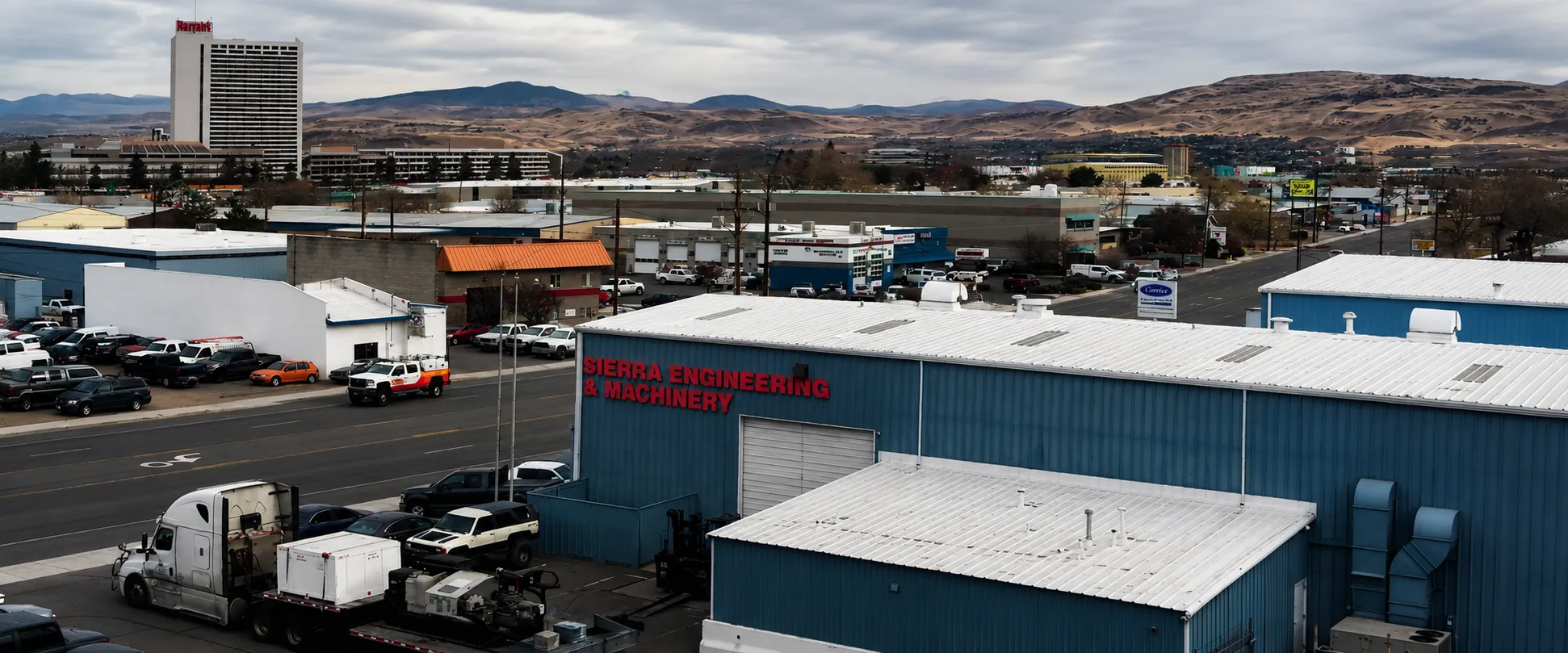
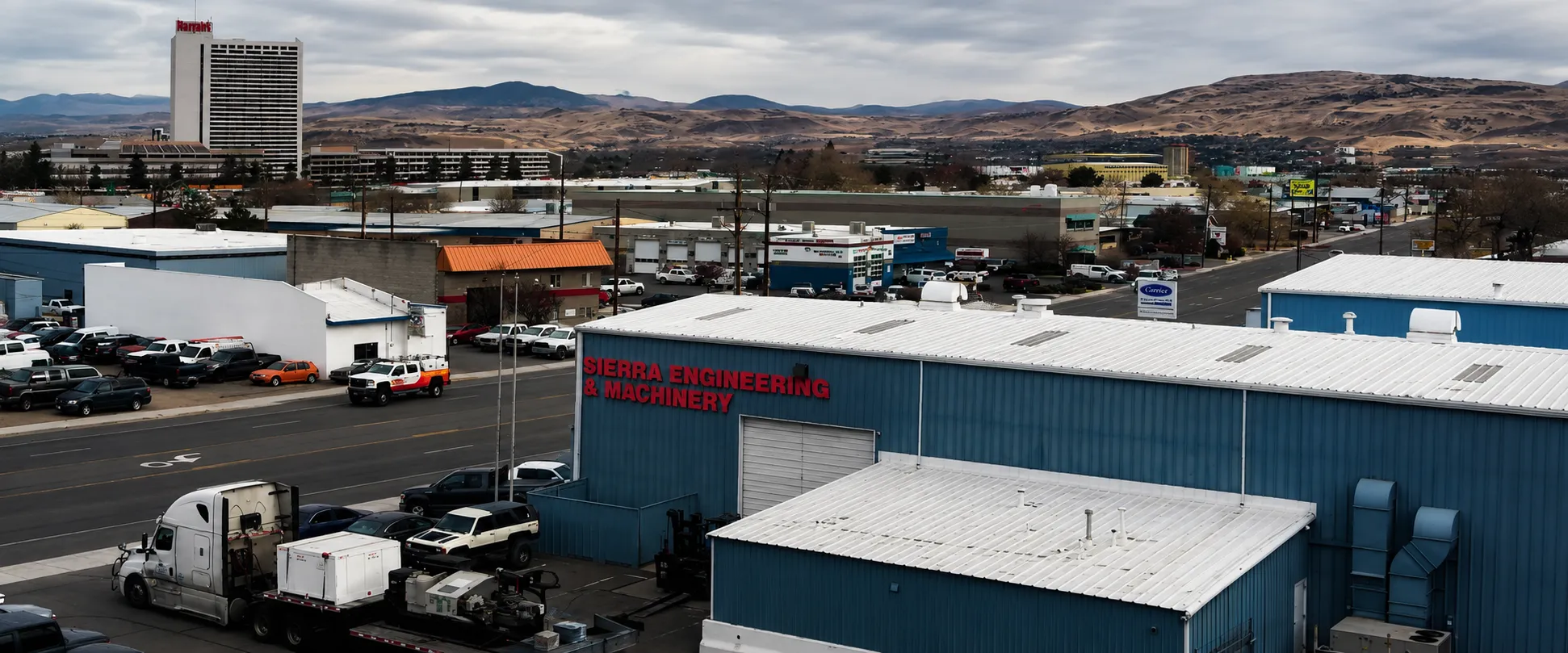
Sierra Machinery & Engineering is based at 1651 Glendale Avenue in Sparks, Nevada, right next door to Reno. The shop has been running since 1979, so this is a team with 47 years in the same building.
Here is what sets the shop apart.
- Everything in house. Milling, turning, Wire EDM, and grinding all happen at one address. Nothing gets sent out.
- Built for bigger jobs. The shop specializes in larger parts and multiple-process work, the kind other shops often turn away.
- A dedicated CMM lab. Parts are measured and verified before they ship. Nothing leaves until it meets the drawing tolerance.
- Experienced people. The Quality Supervisor has 15 years in the quality field. The Machine Building Supervisor is a certified welder with 14 years of hands-on fabrication experience.
- A proven record. The team has completed over 170 projects for hydraulic and general industrial customers, with a 90% client retention rate.
- A safe shop. The team has had zero lost time since 2012.
- Real support. Every new machine and job comes with a 90-day warranty, and credit terms are available for qualified customers.
- Direct contact. You talk to the people who run the shop, not a sales team in another state.
Sierra Machinery is also known for building the world's fastest skiving and roller burnishing machines. That same hands-on, build-it-right mindset carries into the contract machining side.
Conclusion
CNC milling is simple to understand and easy to get wrong. A clear drawing, an honest talk about tolerances, and a shop that checks every part will save you time, money, and stress.
If you need CNC milling in Reno, Nevada, look for a team that can handle the full job in one place. That means milling, turning, Wire EDM, and grinding under one roof, backed by real inspection. It cuts delays and keeps quality in your hands.
That is what good CNC machining & precision manufacturing looks like: no guesswork, no excuses, and parts that match the print.
Call to Action: Have a Complex Part? Call Us.
If other shops have turned your part away, Sierra Machinery wants to hear about it.
- Call: 775-358-6721
- Hours: Monday to Friday, 7:00 am to 3:30 pm
- Visit: 1651 Glendale Avenue, Sparks, NV 89431
- Request a quote: Send your drawing through the Contact Us page at sierramachinery.com
You will hear back from the people actually running the shop.
Frequently Asked Questions (FAQs)
1. What is CNC milling, and how is it different from turning?
CNC milling uses a spinning cutting tool to shape a part that stays in place. CNC turning does the opposite. The part spins while the tool stays still. Milling is great for flat surfaces, pockets, and complex shapes. Turning is best for round parts.
2. Can a shop near Reno handle CNC milling for large parts?
Yes, if it has the space and equipment. Sierra Machinery in Sparks, next to Reno, specializes in larger parts and jobs that need more than one process.
3. What information do I need to get a CNC milling quote?
At minimum, send your drawing or 3D model, the material, the quantity, and any tolerance or finish needs. The more detail you share, the faster and more accurate the quote will be.
4. Do I need more than milling for my part?
Maybe. Many parts need turning, grinding, or Wire EDM as well. Sierra Machinery does all of these in house, so your part can move through each step without leaving the shop.
5. How do I know my parts will meet tolerance?
Ask how the shop inspects its work. At Sierra Machinery, parts are measured in a dedicated CMM lab and verified before they ship, and nothing leaves until it meets the drawing tolerance.






















Sign in to leave a comment.