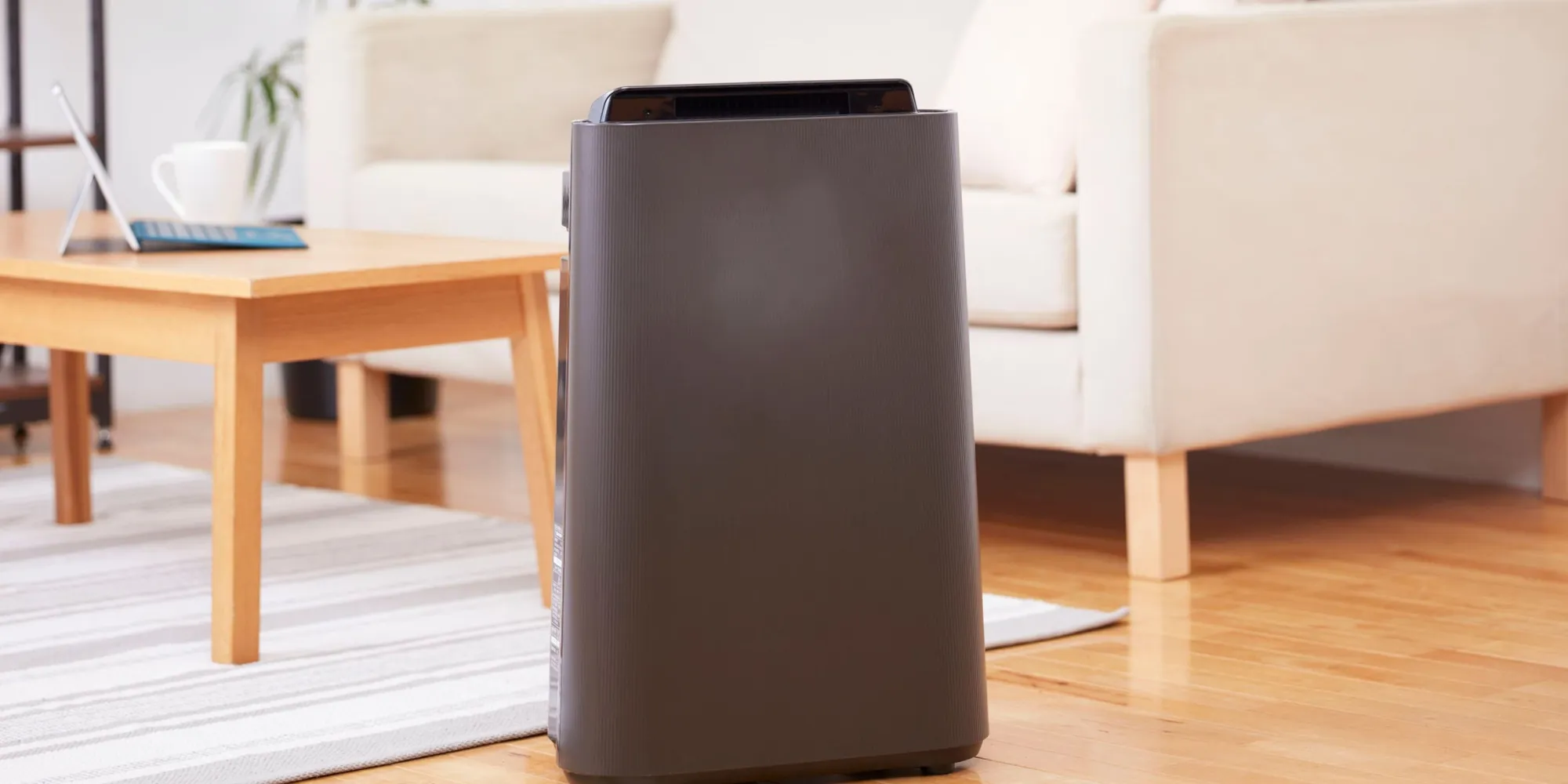

Your windows are shut. The heater is running non-stop. And somewhere in your house, someone just sneezed for the third time today. Sound familiar? Every winter, the same question pops up in group chats and Google searches alike: does a home air purifier actually do anything, or is it just an expensive box that hums in the corner?
It's a fair question. Cold and flu season turns most homes into sealed boxes where germs have nowhere to go. So before you spend money on a device that promises to "clean" your air, let's look at what a home air purifier can really do, what it can't, and how to pick one that's worth the plug-in.

Why Cold & Flu Season Makes Your Air Worse
When it gets cold outside, we close everything up. Windows, doors, vents- all shut tight to keep the heat in. That feels smart in the moment, but it also traps whatever is floating around inside: dust, pet dander, and yes, the tiny droplets released when someone coughs or sneezes.
Cold and flu viruses don't just spread through direct contact. They also travel in small droplets that hang in the air, especially in rooms with little airflow. So the same closed-up house that keeps you warm also keeps those droplets circulating longer than they would outdoors. That's the real problem a home air purifier is trying to solve.
So, Can a Home Air Purifier Really Help?
Yes, but with limits. The CDC states that air purifiers can help prevent virus particles from building up in the air inside your home. That's a real, science-backed claim; not a marketing line.
But a home air purifier is not magic. It won't stop you from catching a cold if someone coughs directly on you, and it's not a replacement for a flu shot, handwashing, or staying home when you're sick. Think of it as one layer of protection, not the whole shield. Used alongside normal hygiene habits, it can lower the number of airborne germs floating around your living room or bedroom, which genuinely helps, especially in homes with kids, older adults, or anyone with a weaker immune system.
How Does an Air Cleaning System Actually Work?
Not every air cleaning system works the same way, and that matters when you're shopping.
- HEPA filters are the most trusted option. They physically trap tiny particles, including ones as small as dust, pollen, and many airborne germs, as air passes through. Most people who say their purifier "actually works" are using a HEPA-based one.
- Activated carbon filters are great at pulling out smells and chemical fumes from cooking, cleaning products, or smoke. They don't do much for viruses on their own, but they pair well with HEPA filters.
- UV-C light is marketed as a germ-killer, and it can work, but only if air stays under the light long enough. Most small home units move air too fast for this to matter much, which is why plenty of people online are skeptical of UV claims.
- Ionizers release charged particles that make dust and pollutants fall out of the air. Some models can produce ozone, which isn't great for your lungs, so check for certification before buying one.
| Filter Type | Good For | Helps With Viruses? |
| HEPA | Dust, pollen, dander, airborne germs | Yes, most reliable |
| Activated Carbon | Odors, smoke, fumes | Only indirectly |
| UV-C | Killing microbes | Limited; depends on contact time |
| Ionizer | Settling dust particles | Weak; check for ozone safety |
Why a Smart Sensor Air Purifier Is Worth a Look This Season
If you're comparing models, you'll notice more brands pushing "smart" features, and it's not just a gimmick. A smart sensor air purifier checks the air quality in your room in real time and adjusts its fan speed automatically. No more guessing whether you need it on high or low.
Many models also show air quality with simple color codes: blue for clean, orange for so-so, red for poor, so you can glance at it and know what's going on. Add app control or voice assistant support, and you can check your air quality from your phone before you even walk into the room.
For anyone shopping for a smart sensor air purifier in Canada, this feature is especially useful during winter, when your home stays sealed for months and air quality can quietly get worse without you noticing.
Choosing the Right Home Air Purifier for Your Space
Bigger isn't always better, and price isn't the only thing to check. Here's a simple checklist before you buy.
| What to Check | Why It Matters |
| Room size match | A purifier rated for a small room won't clean a large one properly |
| Filter type | Look for True HEPA, ideally paired with carbon |
| Smart features | Auto mode and air quality display save you guesswork |
| Noise level | Under 35 dB is comfortable for bedrooms |
| Certification | Energy Star or similar keeps it safe and efficient |
Small Habits That Make Your Purifier Work Better
Buying a good unit is only half the job. A few habits make a real difference:
- Run it continuously during flu season, not just when someone's already sick.
- Keep it in the room you spend the most time in, not tucked in a corner.
- Crack a window for a few minutes daily when weather allows; fresh air still matters.
- Change filters on schedule; a clogged filter barely does anything.
The Bottom Line
A home air purifier won't make your house germ-proof, but it can genuinely help clear the air you breathe every day, especially when paired with good habits and the right filter type. If you're ready to breathe a little easier this winter, start by checking your room size, picking a true HEPA filter, and considering a smart sensor air purifier in Canada that fits your space and budget.
Your lungs will thank you before the season's even over.
FAQs
1. Does a home air purifier really stop colds and flu?
It reduces airborne germs and particles, but it can't stop close-contact spread. Pair it with good hygiene for the best results.
2. Do I need a smart sensor air purifier, or is a basic HEPA model fine?
A basic HEPA model works well. Smart sensors just add convenience by adjusting automatically and showing real-time air quality.
3. Where should I place my air purifier?
In the room you use most, like your bedroom or living room, away from walls so air can flow freely around it.
4. How long should I run it each day?
Ideally, all day during cold and flu season, especially while you sleep.
5. Can it replace a flu shot or handwashing?
No. It's a helpful extra layer, not a substitute for basic health habits.
























Sign in to leave a comment.