

Beauty supplements have become increasingly popular among people looking for healthier-looking skin, stronger hair, and better nails. Collagen, glutathione, and biotin are among the most widely discussed ingredients, particularly in markets where consumers can easily find beauty products online. Yet, understanding what these supplements can realistically achieve is important because their effects depend on nutritional status, dosage, consistency, and individual health factors.
For consumers exploring skin care products pakistan, supplements should be viewed as complementary to—not replacements for—a balanced diet and evidence-based skincare. Topical products can address the skin's surface and provide benefits such as cleansing, moisturization, and sun protection, while nutritional supplements are intended to support nutritional needs from within.
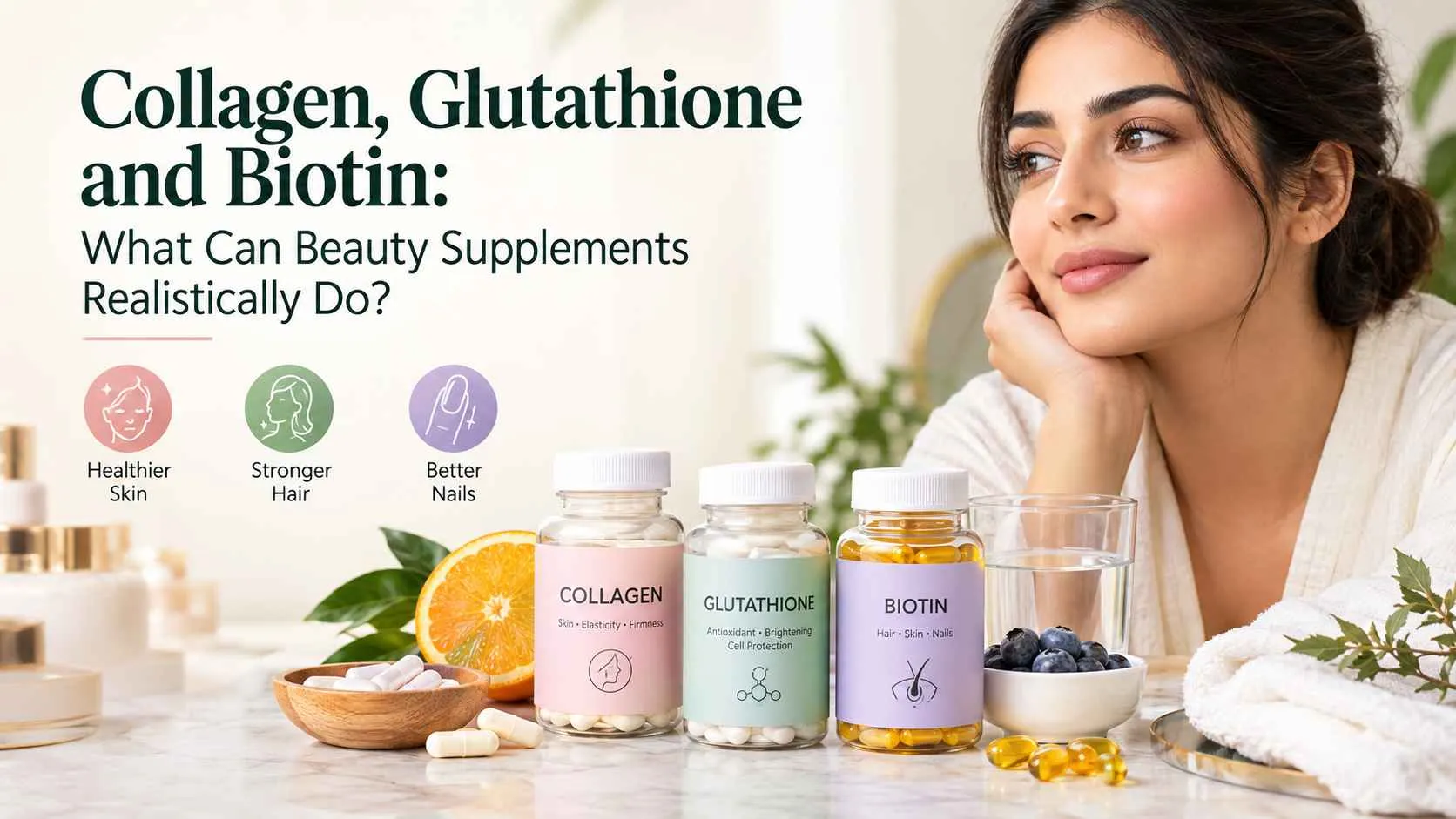
What Can Beauty Products Pakistan Consumers Expect From Supplements?
The term "beauty supplement" covers a broad range of products, from single-nutrient tablets to powdered collagen and combination formulas. Their potential benefits should be considered according to the ingredient rather than the marketing claim.
Collagen is a structural protein found naturally throughout the body. Biotin is a B vitamin involved in normal energy metabolism and the maintenance of healthy hair, skin, and nails. Glutathione is an antioxidant produced naturally by the body. These substances have different biological roles, so they should not be treated as interchangeable solutions for every beauty concern.
Importantly, supplements cannot fundamentally change a person's natural skin tone, stop normal aging, or guarantee faster hair growth. Their most realistic role is supporting normal biological processes, particularly when nutritional deficiencies or increased nutritional needs are present.
Collagen Supplements: Supporting Skin Structure and Elasticity
Collagen naturally contributes to the structure of skin, connective tissue, bones, and other parts of the body. As people age, natural collagen production decreases, which is one factor associated with changes in skin firmness and elasticity.
Oral collagen supplements are commonly made from hydrolyzed collagen peptides. Some clinical research has reported modest improvements in measures such as skin hydration and elasticity after regular use. However, results vary between studies and individuals, and collagen should not be considered a replacement for sunscreen, moisturizer, or other established skin-health practices.
A realistic expectation is that collagen supplementation may provide a supportive role for skin hydration or elasticity in some people. It is not a guaranteed method for removing wrinkles or dramatically transforming appearance.
Diet also matters. Protein-rich foods provide amino acids used by the body to produce proteins, including collagen. Foods containing vitamin C, such as citrus fruits, guava, and peppers, are also relevant because vitamin C is required for normal collagen formation.
Glutathione: Antioxidant Support With Important Limitations
Glutathione is an antioxidant naturally produced by the body and is involved in protecting cells from oxidative stress. It is frequently marketed in beauty supplements, particularly for skin-brightening purposes.
This is an area where consumers should be especially cautious about exaggerated claims. Research investigating oral glutathione for changes in skin pigmentation has produced limited and mixed evidence. Some small studies have reported changes in skin-lightening measures, but the evidence is not strong enough to promise a predictable or permanent alteration in skin tone.
Glutathione should therefore not be presented as a guaranteed whitening treatment. Skin appearance is influenced by genetics, UV exposure, hormones, inflammation, and other factors. For people concerned about pigmentation, daily sun protection and appropriate dermatological care remain important.
Biotin: Helpful for Deficiency, Not a Universal Hair-Growth Solution
Biotin is a water-soluble B vitamin that contributes to normal metabolism and helps maintain normal hair, skin, and nails. Because of its association with these tissues, biotin supplements are often marketed for hair growth and stronger nails.
However, the distinction between correcting a deficiency and taking extra biotin is important. Biotin deficiency is uncommon, and evidence that high-dose supplementation improves hair growth in people who already obtain sufficient biotin is limited.
People experiencing sudden or persistent hair loss should not automatically assume that they need biotin. Hair loss can have many causes, including nutritional deficiencies, hormonal changes, stress, certain medications, scalp conditions, and genetic factors. Identifying the underlying cause is more useful than relying on a single supplement.
There is another practical consideration: high-dose biotin can interfere with certain laboratory tests. Anyone taking substantial amounts of biotin should inform a healthcare professional before undergoing blood testing.
How Should Supplements Fit Into a Beauty Routine?
A beauty routine works best when internal nutrition and external skincare complement each other. Supplements cannot replace basic skin-health habits.
A practical approach can include:
- Eating a varied diet containing adequate protein, fruits, vegetables, and essential nutrients.
- Drinking enough fluids according to individual needs and environmental conditions.
- Using a gentle cleanser appropriate for the skin type.
- Applying moisturizer to support the skin barrier.
- Using broad-spectrum sunscreen during daytime exposure.
- Avoiding smoking and excessive alcohol consumption.
- Getting adequate sleep and managing ongoing stress.
- Consulting a qualified healthcare professional when persistent skin or hair problems occur.
For consumers comparing best skincare products pakistan, the priority should remain products with a clear purpose and ingredients appropriate for their individual skin needs. A supplement may complement this routine, but it should not replace topical sun protection or appropriate treatment for a diagnosed skin condition.
What About Combining Collagen, Glutathione and Biotin?
Combination beauty supplements often contain several ingredients in a single formula. Combining these ingredients is not automatically better than using one ingredient alone. The overall formulation, dosage, individual nutritional status, and potential interactions matter.
For example, a person with a balanced diet may have little reason to consume very high doses of nutrients simply because they are promoted for beauty benefits. More is not always better. Excessive intake of certain nutrients can create unwanted effects or interfere with medical testing and medications.
Consumers should also examine labels carefully. Products may contain added vitamins, minerals, herbal ingredients, sweeteners, or other compounds alongside collagen, glutathione, or biotin. Checking the full ingredient list helps avoid unintentionally doubling up on the same nutrients across multiple products.
How to Choose Beauty Supplements Responsibly
People shopping for beauty products online pakistan should evaluate supplements with the same care used when selecting skincare products. A trustworthy product should clearly identify its ingredients, serving size, and recommended use.
Consumers should be cautious of claims promising instant results, permanent skin whitening, dramatic hair regrowth, or complete reversal of aging. Beauty is influenced by many biological and environmental factors, and no single supplement can address all of them.
It is also important to consider personal circumstances. Pregnant or breastfeeding individuals, people with chronic medical conditions, and those taking prescription medicines should seek professional advice before starting a new supplement. Anyone experiencing unexplained hair loss, significant skin changes, persistent acne, or other concerning symptoms may benefit from professional evaluation rather than self-treating with supplements.
Skincare Still Matters
Supplements work within the body's nutritional environment, whereas skincare products are applied directly to the skin. Both approaches have different purposes.
A gentle cleanser can remove excess oil and environmental residue. A suitable moisturizer can help support the skin barrier. Sunscreen can reduce exposure to ultraviolet radiation, one of the major environmental contributors to premature skin aging and pigmentation.
Therefore, someone searching for the best face wash pakistan, best moisturizer pakistan, or sunscreen pakistan should first consider the basic needs of their skin. The correct combination of cleansing, hydration, and sun protection generally provides a stronger foundation than relying heavily on beauty supplements.
The Realistic Role of Beauty Supplements
Collagen, glutathione, and biotin can each have a legitimate place in discussions about nutrition and beauty, but their benefits should be kept in perspective. Collagen may offer modest support for certain measures of skin hydration and elasticity. Glutathione has antioxidant functions, but evidence for cosmetic skin-lightening effects remains limited. Biotin is essential for normal biological functions, yet supplementation is unlikely to provide dramatic hair benefits when deficiency is absent.
For people researching skincare brands pakistan, the most sensible strategy is to combine evidence-informed topical skincare with good nutrition and realistic expectations. A supplement can be one part of a broader approach, not a shortcut to perfect skin or hair.
Conclusion
Beauty supplements can support normal nutritional and biological functions, but they are not magic solutions. Collagen may modestly support skin hydration and elasticity, glutathione functions as an important antioxidant but has limited evidence for cosmetic skin-lightening, and biotin is most clearly valuable when adequate intake is needed or deficiency exists.
For consumers considering beauty products pakistan, Glow Aid offers skincare and beauty options that can be considered alongside a balanced approach to personal care. Ultimately, healthy nutrition, sun protection, appropriate skincare, and professional guidance for persistent concerns provide a more realistic foundation for long-term skin, hair, and overall wellness.
FAQs
1. Do collagen supplements actually improve skin?
Some studies suggest oral collagen peptides may modestly improve skin hydration and elasticity in certain people. Results vary, and collagen supplements should not be expected to remove wrinkles or dramatically transform the skin.
2. Does glutathione permanently lighten skin?
There is not strong evidence that oral glutathione can permanently lighten skin. Research on its cosmetic pigmentation effects is limited and mixed, so claims of guaranteed or permanent whitening should be treated cautiously.
3. Does biotin stop hair loss?
Biotin can help when someone has a genuine biotin deficiency, but deficiency is uncommon. There is limited evidence that high-dose biotin improves hair growth in people who already have adequate biotin levels.
4. Can collagen, glutathione, and biotin be taken together?
Some combination supplements contain these ingredients, but combining them is not necessarily more effective. The total dosage, other ingredients, medications, and individual health circumstances should be considered before supplementation.
5. Are supplements more important than skincare?
No. Supplements and topical skincare serve different purposes. A balanced diet and appropriate skincare—including moisturizer and daytime sun protection—remain important foundations for maintaining healthy-looking skin.
















Sign in to leave a comment.