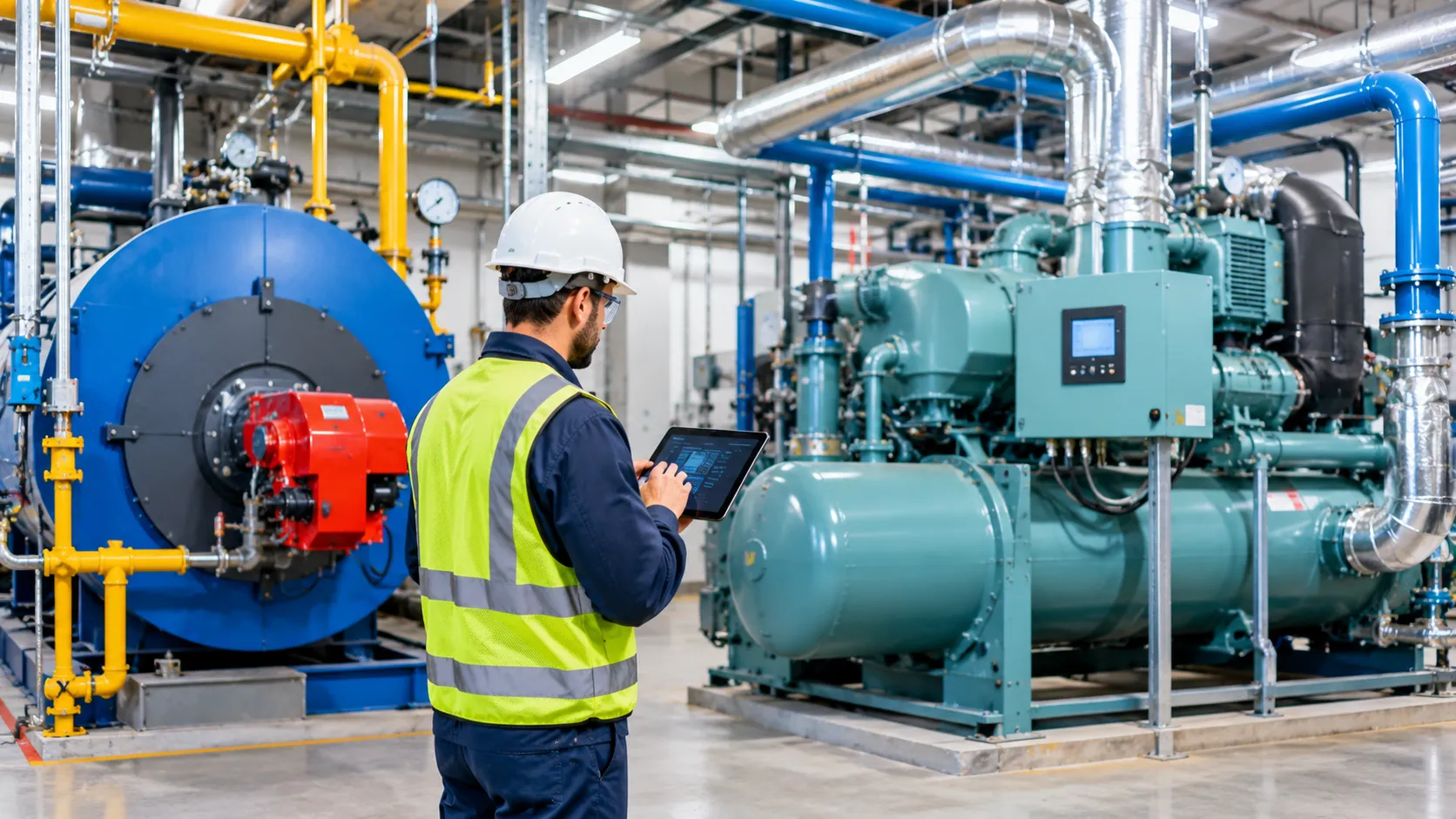

Commercial buildings rely on dependable heating and cooling systems to maintain comfortable indoor conditions throughout the year. In larger facilities, boilers and chillers often serve as the core of the mechanical plant, supplying hot and chilled water to air-handling units, terminal equipment, and other building systems. Their performance affects occupant comfort, energy consumption, maintenance costs, and daily operations.
Managing these systems requires more than keeping equipment running. Building operators must understand changing loads, water circulation, control sequences, equipment condition, and the relationship between mechanical systems and occupied spaces. Proper planning and regular maintenance help facility teams identify problems early and keep essential equipment operating reliably.
Understanding Boiler and Chiller Plant Operations
Boilers generate heat that can be distributed through hot-water systems, while chillers remove heat from water used for cooling. Depending on the building, these systems may operate independently or as part of a coordinated central plant.
Their operating requirements change with outdoor temperatures, occupancy, equipment schedules, and internal heat gains. A commercial office building, for example, may experience different heating and cooling demands in conference rooms, server areas, and open workspaces.
Effective plant operation begins with understanding these changing conditions. Operators should review equipment performance, system pressures and temperatures, water flow, control settings, and operating schedules. Comparing current readings with established operating conditions can help reveal unusual patterns before they develop into significant problems.
Maintaining Boiler Performance and Heating Reliability
Commercial boilers support heating systems that must deliver consistent performance during colder weather. Poor combustion, inadequate water flow, incorrect control settings, and neglected maintenance can reduce reliability and increase operating costs.
A structured maintenance program should include inspections and servicing appropriate to the boiler type and manufacturer’s requirements. Qualified technicians may examine burners, combustion performance, safety controls, pumps, valves, expansion equipment, and water-treatment conditions.
Water quality deserves particular attention. Excessive scale, corrosion, or contamination can interfere with heat transfer and damage system components. Appropriate testing and treatment help protect equipment and maintain efficient operation.
Operators should also review heating schedules and temperature settings. Equipment that runs unnecessarily during unoccupied periods may consume more energy than required. However, setbacks must be planned carefully to avoid inadequate morning warm-up, freeze risks, or uncomfortable conditions when occupants arrive.
Because boilers involve hot water, pressure, combustion, and other potential hazards, inspections and repairs should be performed by qualified personnel following applicable safety requirements.
Improving Chiller Plant Efficiency
Chiller plants can represent a substantial part of a commercial building’s cooling energy use. Their performance depends on equipment condition, chilled-water temperatures, condenser conditions where applicable, water flow, and the operation of associated pumps and cooling towers.
One important practice is to match plant operation to actual cooling demand. Running equipment at unnecessary capacity can waste energy, while operating below required capacity can compromise comfort and system performance.
Where multiple chillers are installed, the control strategy should determine which units operate and when additional capacity is needed. Proper sequencing can help distribute operating hours and avoid unnecessary equipment starts, provided the system is designed to support that approach.
Regular maintenance may include reviewing heat-transfer surfaces, inspecting pumps and valves, verifying sensors, and checking control sequences. Water treatment is also important for systems that use cooling towers or other water-based heat-rejection equipment.
Refrigerant management should follow manufacturer instructions and applicable regulations. Suspected leaks, abnormal operating pressures, or unusual temperature differences should be investigated by qualified technicians rather than addressed through guesswork.
Coordinating Mechanical Systems During Tenant Fit-Outs
Tenant fit-out projects can change how a commercial building uses heating and cooling. New partitions, conference rooms, private offices, equipment areas, and occupancy patterns may affect airflow and heating or cooling loads.
An experienced Tenant fit-out HVAC Contractor Long Island project team should evaluate the proposed layout alongside the building’s existing mechanical infrastructure. This review helps determine whether the current boiler, chiller, pumps, air-handling equipment, and distribution systems can accommodate the planned changes.
The assessment should consider several practical issues:
- Heating and cooling loads: New layouts and equipment may change the amount of heating or cooling required.
- Distribution capacity: Existing piping, valves, ductwork, and terminal units must support the revised space requirements.
- Controls integration: New zones may need updated thermostats, sensors, control wiring, or building automation settings.
- Access and maintainability: Mechanical equipment and service components should remain accessible after ceilings and walls are completed.
- Construction scheduling: Work should be coordinated with building management and other trades to limit service interruptions.
These checks are particularly important in occupied buildings, where mechanical modifications can affect neighboring tenants. Planning shutdowns, testing, and temporary service arrangements in advance helps reduce disruption.
Selecting a Commercial Heating Contractor
Choosing the right contractor is important when a heating system needs installation, repair, replacement, or ongoing maintenance. Commercial facilities often have operating requirements that differ considerably from those of smaller residential systems.
When evaluating a Commercial Heating Contractor Bronx property managers should look for relevant experience with commercial boilers, hydronic distribution, pumps, controls, and mechanical plant operations. The contractor should also understand how heating equipment interacts with ventilation systems and the wider building infrastructure.
Clear communication is equally important. A useful service recommendation should identify the problem, explain the proposed work, and distinguish urgent repairs from improvements that can be planned for a future capital project.
For older equipment, replacement decisions should consider more than age alone. Repair history, reliability, available parts, energy performance, and the building’s future needs all help determine whether continued maintenance or replacement is the more practical choice.
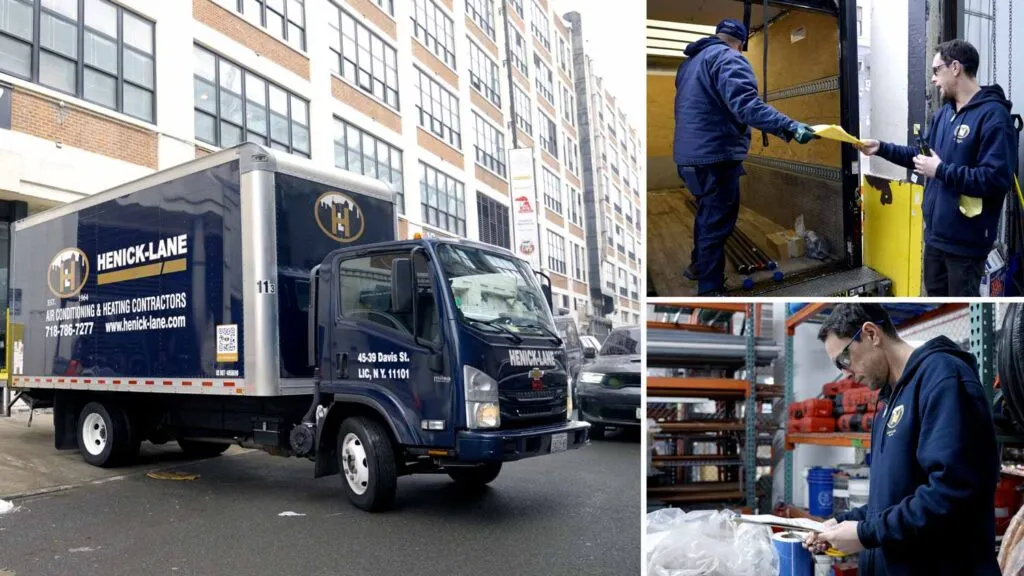
Henick-Lane Service Corp has served New York City, the surrounding boroughs, and Long Island since 1969. The company provides commercial HVAC and mechanical construction services for building owners and facility managers who need dependable mechanical systems and coordinated project support.
Using Building Controls to Improve Plant Operations
Building automation systems can help operators monitor plant conditions, coordinate equipment schedules, and identify unusual operating patterns. Depending on the installation, these systems may track temperatures, equipment status, alarms, and other operating data.
Controls are most useful when sensors are accurate and sequences are configured correctly. A faulty temperature sensor or an inappropriate setpoint can cause equipment to operate unnecessarily or fail to meet building demands.
Operators should periodically review schedules, alarms, control responses, and equipment trends. Persistent alarms should be investigated rather than routinely ignored or reset without understanding their cause.
Automation also supports better coordination between boilers, chillers, pumps, and air-handling equipment. However, control changes should be evaluated carefully to preserve safety, required ventilation, and reliable operation under changing conditions.
Building a Preventive Maintenance Strategy
A consistent maintenance strategy helps reduce unexpected failures and supports more predictable operating costs. Facility teams should maintain service records, document recurring issues, and schedule inspections according to equipment requirements and operating conditions.
Seasonal reviews are especially useful. Heating equipment should be prepared before periods of high winter demand, while cooling plants should be inspected and tested before summer operation. Where systems operate year-round, maintenance planning should reflect their continuous workload.
Managers should also track energy use and recurring repairs. These records can reveal when equipment performance is declining or when an operational adjustment deserves further investigation.
Conclusion
Reliable boiler and chiller plant operations depend on sound maintenance, effective controls, appropriate equipment selection, and coordination with the building’s actual needs. By monitoring performance and addressing problems early, facility managers can support occupant comfort, improve reliability, and make better-informed decisions about mechanical upgrades.
Whether maintaining a central plant or adapting an existing building for new tenants, careful planning and experienced commercial HVAC support help keep essential systems operating effectively over the long term.


























Sign in to leave a comment.