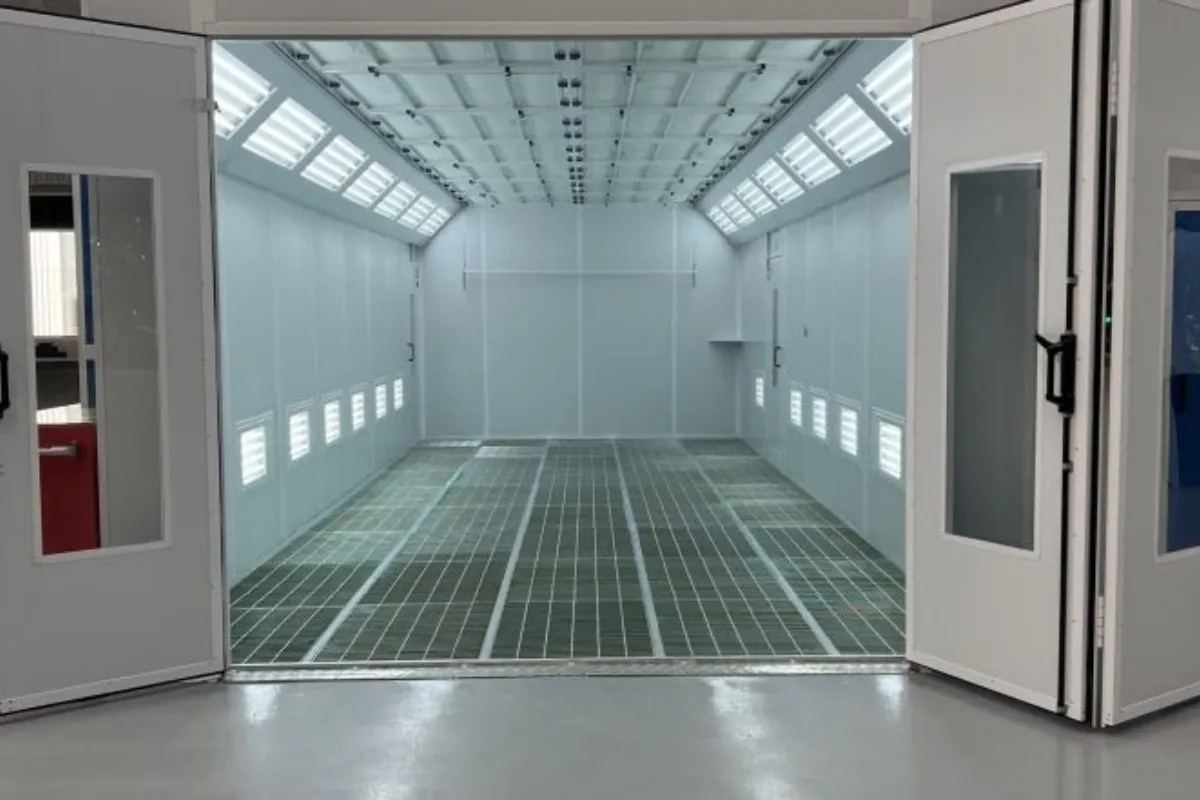

Spray finishing plays a vital role across many Australian industries, helping businesses achieve consistent coating quality, improved product appearance, and better workplace safety. Whether you're painting automotive parts, timber products, metal components, furniture, or specialised equipment, choosing the right environment for spray application has a direct impact on productivity and long-term operational efficiency. Modern spray booths are designed to control overspray, maintain clean airflow, and create conditions that support reliable finishing while protecting workers and surrounding workspaces.
However, not all spray booth systems are built for the same purpose. Facilities vary significantly in production volume, product size, workflow, and regulatory requirements, making it essential to understand the differences between commercial spray booths and industrial spray booths. Selecting the right system requires careful evaluation of your current operations as well as your future business goals. This guide explains how each type of booth works, where each performs best, and the key factors Australian businesses should consider before making an investment.
Understanding Spray Booths
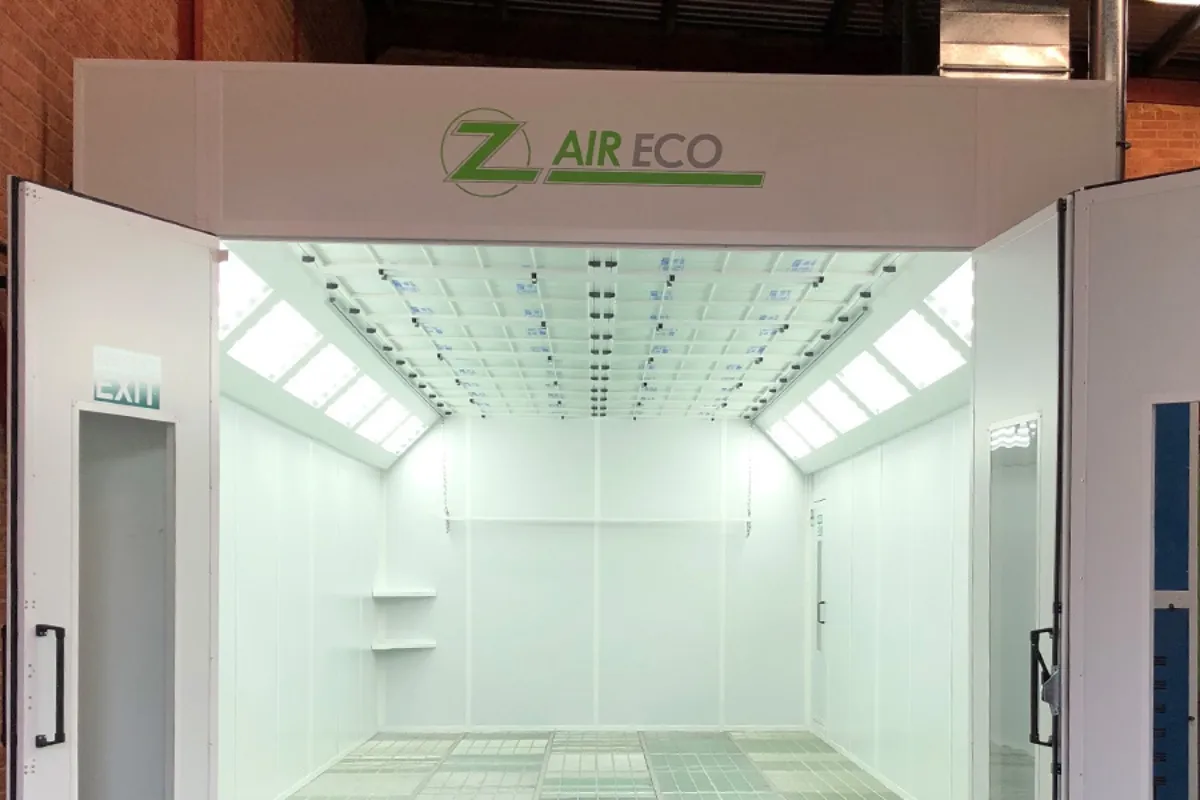
Spray booths are enclosed or semi-enclosed finishing environments designed to provide controlled airflow during painting, coating, or finishing processes. Their primary function is to contain overspray, manage airborne particles, and create clean conditions that support consistent surface finishes.
A properly designed booth also contributes to workplace safety by reducing exposure to paint particles and fumes while helping maintain cleaner surrounding work areas. By controlling ventilation and airflow, spray booths improve coating quality and minimise contamination that could otherwise lead to costly rework.
Australian businesses across manufacturing, automotive, engineering, timber processing, transport equipment, and fabrication industries rely on spray booth systems to improve operational efficiency and produce professional-quality finishes.
What Are Commercial Spray Booths?
Commercial spray booths are generally designed for businesses with moderate production requirements. These booths provide reliable painting environments without the large-scale capacity needed for heavy industrial manufacturing.
Commercial systems are commonly used by businesses that process smaller work volumes or handle a wide variety of products throughout the week. They offer flexibility while maintaining high standards of finish quality and workplace cleanliness.
Many commercial operations require booths that can accommodate changing project requirements rather than continuous mass production. As a result, commercial spray booths often focus on versatility, ease of operation, and efficient use of available workspace.
Typical applications include the following:
- Automotive refinishing
- Furniture finishing
- Cabinet manufacturing
- Joinery workshops
- Equipment refurbishment
- Small fabrication businesses
- Agricultural equipment repairs
Because these businesses often work on customised orders rather than continuous production runs, commercial systems offer an ideal balance between performance and operating costs.
What Are Industrial Spray Booths?
Industrial spray booths are engineered for high-volume production environments where durability, performance, and continuous operation are essential. These systems are built to accommodate larger products, higher throughput, and demanding manufacturing schedules.
Unlike commercial environments, industrial facilities frequently operate multiple shifts, requiring spray booth systems that can maintain consistent airflow and performance over extended periods.
Industrial spray booths are commonly installed within facilities producing the following:
- Structural steel components
- Heavy machinery
- Mining equipment
- Large transport vehicles
- Manufacturing equipment
- Industrial fabrication projects
- Large metal assemblies
These booths are typically larger, more powerful, and capable of supporting intensive production requirements while maintaining coating consistency across high production volumes.
The Main Differences Between Commercial and Industrial Spray Booths
Although both systems perform the same core function, several important differences separate commercial spray booths from industrial spray booths.
Production Capacity
Production volume is one of the biggest deciding factors.
Commercial spray booths are suitable for businesses handling moderate workloads with varying project sizes. They support regular painting operations without requiring the continuous production capacity demanded by large manufacturers.
Industrial spray booths are specifically designed for continuous production environments where equipment must operate efficiently throughout the day with minimal interruption.
Businesses expecting rapid growth should carefully consider future production needs before selecting a system.
Booth Size
The physical dimensions of products being coated directly influence booth selection.
Commercial spray booths generally accommodate the following:
- Cars
- Cabinets
- Furniture
- Small machinery
- Fabricated components
Industrial spray booths can handle the following:
- Trucks
- Large trailers
- Heavy machinery
- Steel structures
- Industrial equipment
- Oversized fabricated products
Choosing a booth that is too small often creates workflow bottlenecks and limits future business opportunities.
Ventilation Performance
Airflow plays a major role in coating quality.
Commercial spray booths provide effective airflow suitable for moderate workloads and routine finishing applications.
Industrial spray booths require significantly higher ventilation capacity to support continuous operation while maintaining consistent airflow across much larger working areas.
Proper airflow improves paint transfer efficiency while reducing contamination and overspray accumulation.
Durability
Industrial environments place greater demands on equipment.
Industrial spray booths are constructed using heavy-duty materials capable of withstanding constant use, larger equipment movement, and intensive production schedules.
Commercial spray booths are also durable but are generally intended for businesses operating lower production volumes.
Selecting equipment that matches expected workload helps maximise long-term value.
Choosing the Right Spray Booth for Your Industry
Every Australian industry has unique operational requirements.
The right spray booth should align with the products being coated, production schedules, available floor space, and future expansion plans.
Automotive businesses may benefit from commercial spray booths due to their flexibility when handling different vehicle types and repair work.
Furniture manufacturers often require clean finishing environments that produce consistent surface quality while accommodating changing production runs.
Engineering workshops producing large fabricated components typically require industrial spray booths capable of handling oversized projects efficiently.
Manufacturing facilities operating multiple shifts generally require industrial systems that maintain reliable performance throughout continuous production cycles.
Understanding your daily workflow is often more valuable than simply selecting the largest available booth.
Factors to Consider Before Purchasing
Selecting between commercial spray booths and industrial spray booths involves more than comparing sizes.
Several operational factors should be evaluated before making a final decision.
Production Volume
Estimate both your current production and expected future growth.
A system that comfortably supports future demand can reduce the need for costly upgrades later.
Product Dimensions
Consider the largest items your facility expects to process.
Adequate working clearance improves operator movement, coating consistency, and workplace safety.
Available Space
Not every facility has unlimited floor space.
Proper planning ensures the booth integrates efficiently with surrounding production areas while maintaining smooth material movement.
Energy Efficiency
Energy costs remain an important consideration for Australian businesses.
Well-designed spray booths can improve airflow efficiency, reducing unnecessary energy consumption while maintaining excellent finishing conditions.
Maintenance Requirements
Routine maintenance supports reliable long-term operation.
Businesses should consider filter replacement schedules, cleaning requirements, and ease of servicing when comparing booth options.
Choosing equipment that is straightforward to maintain can reduce downtime and operating costs.
The Role of Airflow in Spray Booth Performance
Airflow is often overlooked when businesses compare spray booths, yet it significantly affects finish quality.
Consistent airflow removes overspray, prevents contamination, and creates stable painting conditions.
Poor airflow may result in:
- Dust contamination
- Uneven paint coverage
- Increased rework
- Longer drying times
- Reduced finish quality
Both commercial spray booths and industrial spray booths rely on carefully engineered airflow patterns to deliver reliable coating performance.
Facilities investing in properly designed ventilation systems often experience better productivity and improved finish consistency.
Why Custom Spray Booths Are Becoming More Popular
Not every facility fits a standard layout.
Australian businesses increasingly choose custom spray booths because they can be designed around specific operational requirements rather than forcing production to adapt to standard equipment dimensions.
Custom spray booths may provide solutions for the following:
- Limited building space
- Oversized products
- Unique manufacturing processes
- Increased production capacity
- Special airflow requirements
- Future expansion planning
Rather than compromising workflow, a customised design allows businesses to optimise efficiency from the beginning.
This approach is particularly valuable for manufacturers handling specialised products or operating within complex facility layouts.
Compliance and Workplace Safety
Australian businesses must maintain safe working environments for employees involved in spray finishing operations.
Properly designed spray booths contribute to workplace safety by controlling airborne contaminants, improving visibility, and reducing overspray throughout the facility.
Important safety considerations include:
- Effective ventilation
- Clean airflow
- Proper filtration
- Safe equipment operation
- Routine maintenance
- Consistent housekeeping
A well-maintained spray booth supports both operational performance and safer working conditions.
Regular inspections and preventative maintenance also help ensure the system continues operating efficiently over many years.
Long-Term Value Over Initial Cost
Many businesses naturally focus on purchase price when comparing spray booths.
However, long-term operating value is often more important than initial investment.
A well-designed booth can improve the following:
- Productivity
- Coating quality
- Energy efficiency
- Worker comfort
- Equipment lifespan
- Production consistency
Selecting equipment based solely on the lowest purchase cost may result in higher maintenance expenses or limited production capacity as the business grows.
Considering total ownership costs provides a more accurate picture of long-term value.
Planning for Future Business Growth
Business requirements rarely remain unchanged.
Production volumes increase, customer expectations evolve, and facilities often expand over time.
When selecting between commercial and industrial spray booths, businesses should consider where they expect their operations to be in several years.
Planning ahead may reduce future disruptions and avoid replacing equipment earlier than necessary.
For rapidly growing manufacturers, investing in a system with additional capacity may prove more economical than frequent upgrades.
Likewise, businesses operating specialised production lines may find that custom spray booths provide the flexibility needed to adapt to changing demands without major facility modifications.
Future-focused planning helps ensure your spray finishing system continues supporting productivity as your business evolves.
Conclusion
Choosing between commercial spray booths and industrial spray booths ultimately depends on your facility's production volume, available space, product dimensions, operational goals, and long-term growth plans. While commercial systems are well suited to businesses with moderate workloads and flexible production requirements, industrial systems deliver the durability and capacity needed for demanding manufacturing environments. For facilities with specialised processes or unique layout requirements, custom spray booths can offer a tailored solution that maximises efficiency, performance, and workflow.
If you're looking for high-quality spray booths designed to meet the needs of Australian businesses, visit R&I Zambesi to explore solutions that support productivity, workplace safety, and reliable finishing performance. Choosing the right system today can help your business achieve consistent results and long-term operational success.
























Sign in to leave a comment.