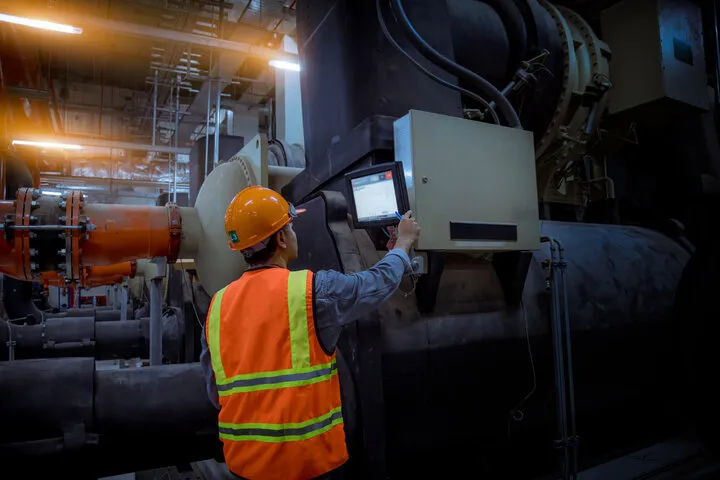


A chiller can run for long hours without attracting much attention. As long as the building stays cool, most people do not think about the equipment working in the background. However, when cooling performance drops, the problem can quickly become noticeable.
A warm office, uncomfortable hotel room, or production area with rising temperatures can affect normal operations. Knowing the common causes of chiller problems helps building managers take the right steps. When the issue needs professional attention, searching for chiller repair near me can help you find suitable technical support.
Poor Cooling Performance
Poor cooling is one of the most common reasons for calling a chiller technician. The system may be running, but the water temperature may not reach the required level.
Several problems can cause this issue. Dirty heat exchanger surfaces can reduce heat transfer. Low water flow can affect system performance. Incorrect sensor readings or control settings may also prevent the equipment from working properly.
In some cases, the problem may be related to the building's cooling demand rather than a damaged chiller.
A technician can check operating temperatures, water flow, pressure readings, and control settings to identify the cause.
Unusual Noise and Vibration
Chillers contain several moving and electrical components. Some operating noise is normal, but a sudden change should not be ignored.
Grinding, rattling, or excessive vibration may indicate loose parts, worn bearings, alignment problems, or issues with a motor or compressor.
Do not try to open the equipment or inspect moving parts while it is running. Instead, note when the noise started and whether it changes with the system's operating load.
Sharing these details with the technician can make fault diagnosis easier.
Water Leaks Around the Equipment
Water around a chiller can come from several sources. A drain problem, loose connection, damaged pipe, or leaking valve may be responsible.
Not every water leak means the chiller itself has failed. However, water near electrical equipment can create a safety risk, so the source should be checked promptly.
If a leak is close to electrical components, keep people away from the affected area and follow the site's emergency procedures. Do not touch wet electrical equipment.
A qualified technician can locate the source and recommend the appropriate repair.
High Energy Consumption
Sometimes a chiller continues to operate without an obvious fault, but electricity consumption starts increasing.
Dirty condenser coils, poor heat transfer, incorrect control settings, and inefficient pumps can all contribute to higher energy use. A refrigerant problem may also affect performance in some systems.
Comparing energy use with previous periods can help identify unusual changes. However, outdoor temperatures, occupancy, operating hours, and cooling demand must also be considered.
Professional testing can help determine whether the chiller is using more energy because of a fault or because the building needs more cooling.
Why Quick Repairs Matter
Small faults can place extra strain on other components. For example, poor water flow may affect cooling performance and cause operating conditions to move outside the recommended range.
If warning signs continue, the equipment may eventually shut down. In a busy commercial building, this can interrupt normal activities and lead to uncomfortable indoor conditions.
Looking for chiller repair near me at the first sign of trouble can help you arrange an inspection before the issue becomes more serious.
However, response times depend on technician availability, the location, and the type of repair required.
What Information Should You Give the Technician?
Before booking a repair, collect a few basic details about the equipment and the fault.
These include:
- The chiller brand and model.
- Any alarm code displayed on the control panel.
- The time the problem first appeared.
- Changes in cooling performance.
- Any unusual sounds, leaks, or repeated shutdowns.
- Recent maintenance or repair work.
Do not reset alarms repeatedly just to keep the system running. Some alarms indicate conditions that require immediate attention.
Preventing Repeat Failures
Once the chiller has been repaired, ask the technician what caused the fault and whether any follow-up work is needed.
A suitable maintenance plan may include cleaning heat exchangers, checking electrical connections, inspecting pumps, testing controls, and reviewing refrigerant-system performance where applicable.
Keeping accurate service records also helps technicians identify repeated problems and plan future maintenance.
Conclusion
Chiller problems can begin with small changes in temperature, sound, or energy consumption. Paying attention to these signs can help you act before the equipment stops working completely.
When professional help is needed, chiller repair near me searches can help you identify local service providers. Choose a team with the right experience, request a proper diagnosis, and follow its recommendations to keep your cooling system in good condition.
Frequently Asked Questions
1. Why is my chiller running but not cooling properly?
Possible causes include restricted water flow, dirty heat exchangers, control faults, or refrigerant-system problems. A technician should inspect the system.
2. Is unusual chiller noise serious?
It can be. New grinding, rattling, or strong vibration should be checked before further damage occurs.
3. Can a faulty chiller increase electricity bills?
Yes. Poor heat transfer, incorrect settings, and component problems can increase energy consumption.
















Sign in to leave a comment.