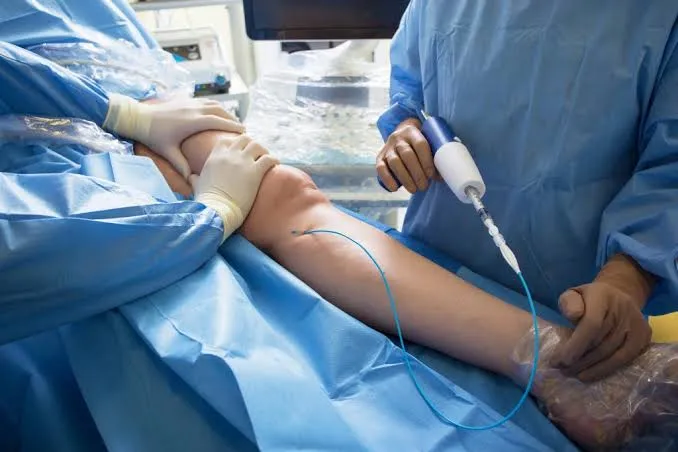

Vascular and endovascular surgery is used to diagnose and treat conditions affecting arteries, veins, and blood vessels throughout the body. Depending on the condition, treatment may involve minimally invasive catheter-based procedures, open surgery, or a combination of both.
What Is Vascular and Endovascular Surgery?
Vascular surgery focuses on diseases affecting the body's blood vessels, excluding the heart and the vessels within the brain. Vascular and endovascular surgery includes both traditional surgical procedures and minimally invasive treatments performed from inside a blood vessel.
Endovascular procedures generally involve guiding a thin catheter through a blood vessel to reach the affected area. This approach may allow doctors to treat certain blockages, aneurysms, and other vascular conditions without making a large surgical incision.
The appropriate procedure depends on the location, severity, symptoms, and overall health of the patient.
Peripheral Artery Disease
Peripheral artery disease (PAD) occurs when arteries supplying the legs or arms become narrowed or blocked, commonly because of atherosclerosis.
People may experience leg pain while walking, reduced walking distance, numbness, cold feet, or slow-healing wounds.
Treatment can include lifestyle changes and medication. When blood flow is significantly restricted, procedures such as angioplasty, stenting, or bypass surgery may be considered.
Carotid Artery Disease
Carotid arteries supply blood to the brain. When plaque builds up inside these arteries, blood flow can become restricted and the risk of stroke may increase.
Depending on the degree of narrowing and other individual risk factors, treatment may involve medication, carotid endarterectomy, or selected endovascular procedures such as carotid artery stenting.
Symptoms such as sudden weakness, difficulty speaking, facial drooping, or sudden vision problems require emergency medical attention.
Aortic Aneurysms
An aneurysm occurs when part of an artery becomes abnormally enlarged or weakened. Aortic aneurysms can develop in the chest or abdomen.
Small aneurysms may be monitored regularly, while larger or rapidly growing aneurysms may require treatment.
Endovascular aneurysm repair, commonly called EVAR for abdominal aortic aneurysms, uses a stent-graft delivered through blood vessels to reinforce the weakened section of the aorta.
In appropriate cases, endovascular treatment can provide an alternative to traditional open aneurysm repair.
Varicose Veins
Varicose veins are enlarged, twisted veins that commonly appear in the legs. They can cause aching, heaviness, swelling, itching, or discomfort, although some people have no significant symptoms.
When symptoms are persistent or complications develop, treatment options may include compression therapy, lifestyle measures, sclerotherapy, endovenous thermal ablation, or other minimally invasive procedures.
The treatment selected depends on the underlying venous problem and the patient's symptoms.
Deep Vein Thrombosis
Deep vein thrombosis (DVT) occurs when a blood clot develops in a deep vein, most commonly in the leg.
Typical symptoms can include swelling, pain, warmth, and tenderness in the affected limb. Anticoagulant medication is commonly used to prevent the clot from growing and reduce the risk of complications.
In selected severe cases, vascular specialists may consider catheter-directed procedures to remove or dissolve a clot.
Sudden chest pain, shortness of breath, coughing up blood, or fainting in someone with suspected DVT may indicate a pulmonary embolism and requires emergency medical attention.
Chronic Venous Insufficiency
Chronic venous insufficiency occurs when veins in the legs have difficulty returning blood toward the heart.
It may cause:
- Leg swelling
- Aching or heaviness
- Skin discoloration
- Itching
- Varicose veins
- Venous ulcers in advanced cases
Treatment can range from compression and lifestyle measures to procedures that close or treat problematic veins.
Renal Artery Disease
The renal arteries supply blood to the kidneys. Narrowing of these arteries, known as renal artery stenosis, can affect kidney blood flow and may contribute to difficult-to-control blood pressure in some patients.
Medication and management of cardiovascular risk factors are often considered first. In selected patients, an endovascular procedure may be evaluated when significant narrowing is associated with specific clinical problems.
Dialysis Access Problems
People receiving hemodialysis may require vascular procedures to create or maintain reliable access to the bloodstream.
An arteriovenous fistula or graft can develop narrowing, clotting, or other complications over time. Endovascular procedures such as balloon angioplasty may sometimes be used to restore or improve blood flow.
Regular monitoring of dialysis access can help identify problems before access failure occurs.
Acute Limb Ischemia
Acute limb ischemia occurs when blood flow to an arm or leg becomes suddenly and significantly reduced.
It can cause sudden pain, pallor, coldness, numbness, weakness, or loss of pulses. This is a medical emergency because prolonged loss of blood flow can damage tissue.
Treatment may involve medication, catheter-based clot removal, thrombolysis, angioplasty, surgery, or a combination depending on the underlying cause.
How Doctors Decide Between Open and Endovascular Treatment
Not every vascular condition requires surgery. The treatment decision is based on several factors.
| Factor | Why It Matters |
|---|---|
| Location of disease | Determines which treatment approaches are technically possible |
| Severity | More advanced disease may require an intervention |
| Symptoms | Treatment often depends on how strongly the condition affects daily life |
| Overall health | Can influence procedural and surgical risk |
| Anatomy of blood vessels | Determines whether a catheter-based procedure is suitable |
| Previous procedures | Earlier treatments can affect future options |
| Urgency | Emergency conditions may require immediate intervention |
A vascular specialist evaluates these factors before recommending a treatment strategy.
Expert Tip: The presence of a vascular blockage does not automatically mean that surgery is necessary. The decision should consider symptoms, blood-flow measurements, vessel anatomy, disease severity, and the patient's overall health rather than relying on an imaging report alone.
Benefits of Endovascular Procedures
Endovascular treatment has become an important part of modern vascular care because many procedures can be performed through a small access point in the blood vessel.
Potential advantages may include:
- Smaller incisions
- Less tissue disruption
- Shorter recovery in selected cases
- Reduced hospital stay for some procedures
- Ability to treat certain high-risk patients who may not be suitable for conventional surgery
However, minimally invasive does not mean risk-free. Bleeding, infection, blood-vessel injury, clotting, and other complications can occur.
When Should You See a Vascular Specialist?
Persistent leg pain while walking, unexplained swelling, non-healing wounds, prominent painful veins, changes in skin color, or other circulation-related symptoms should be evaluated.
Urgent assessment is particularly important when symptoms develop suddenly, such as severe limb pain, sudden weakness or numbness, a cold or pale limb, or significant bleeding.
A vascular specialist such as Dr Sumit Kapadia can assess the underlying vascular problem and determine whether monitoring, medication, lifestyle measures, an endovascular procedure, or surgery may be appropriate.
Quick-Scan: Key Benefits and Challenges
| Aspect | Key Point |
|---|---|
| Diagnosis | Imaging and blood-flow testing help identify vascular disease |
| Treatment | Options range from medication to minimally invasive procedures and surgery |
| Recovery | Endovascular procedures may offer shorter recovery for selected patients |
| Personalization | Treatment depends on anatomy, symptoms, severity, and overall health |
| Follow-up | Regular monitoring may be necessary after vascular treatment |
Potential Benefits
- Minimally invasive options are available for many conditions
- Some procedures can restore or improve blood flow
- Recovery may be shorter for selected endovascular treatments
- Treatment can reduce symptoms and help prevent complications
Important Considerations
- Not every patient is suitable for an endovascular procedure
- Some conditions require open surgery
- Procedures can have complications
- Follow-up care may be necessary
- Treatment decisions should be individualized
Frequently Asked Questions
1. What conditions are treated with vascular and endovascular surgery?
Vascular and endovascular surgery can be used for conditions such as peripheral artery disease, carotid artery disease, aortic aneurysms, certain venous disorders, dialysis access problems, and acute limb ischemia. The treatment may involve medication, minimally invasive catheter-based procedures, open surgery, or a combination depending on the condition.
2. What is the difference between vascular and endovascular surgery?
Vascular surgery includes procedures used to treat blood-vessel conditions, including conventional open operations. Endovascular surgery uses catheters and specialized devices inside blood vessels to treat selected problems. Endovascular procedures generally involve smaller access points, while open surgery may require a larger incision depending on the condition.
3. Are endovascular procedures safer than open surgery?
Endovascular procedures can involve less tissue disruption and may offer shorter recovery for selected patients, but they are not automatically safer for everyone. The appropriate approach depends on the vascular condition, vessel anatomy, severity, medical history, and procedural risks. A specialist should evaluate which option is suitable.
4. When should someone see a vascular surgeon?
A vascular evaluation may be appropriate for persistent leg pain during walking, unexplained limb swelling, non-healing wounds, suspected circulation problems, painful varicose veins, or abnormal vascular test results. Sudden severe limb pain, coldness, numbness, weakness, or major color changes require urgent medical assessment.



























Sign in to leave a comment.