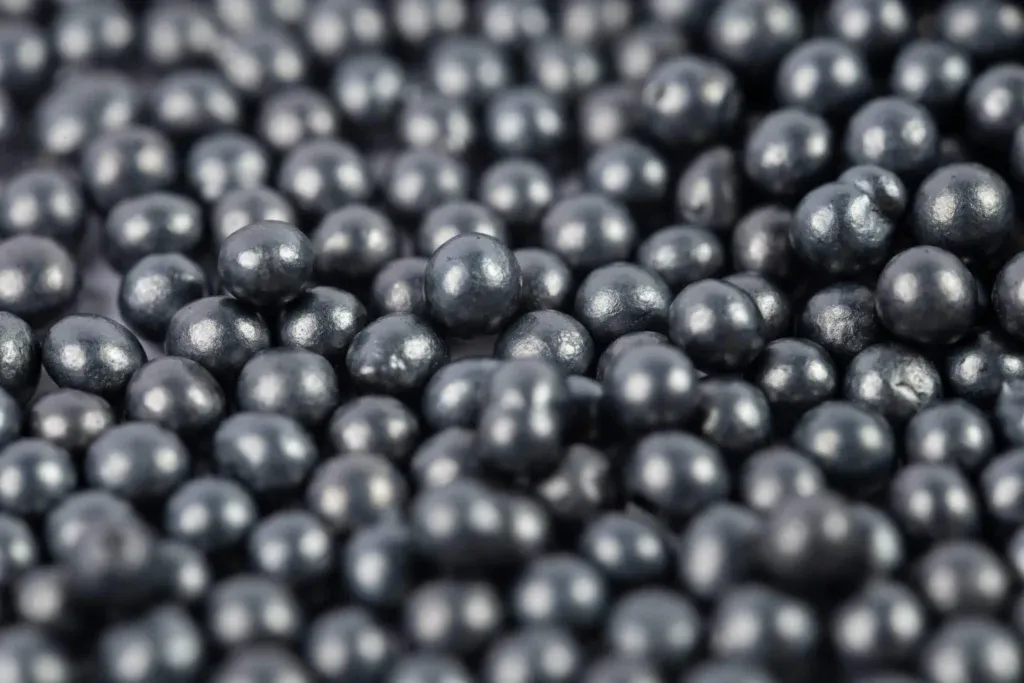

Shot blasting is a surface preparation process that uses high-velocity abrasive media — typically steel shot or grit — to clean, strengthen, or finish metal and concrete surfaces. In Malaysia, it is widely used across automotive manufacturing, construction, foundry casting, steel fabrication, and oil and gas sectors. The process removes mill scale, rust, and contaminants while improving surface adhesion for coatings and treatments.
If you operate in manufacturing or heavy industry in Malaysia, you have almost certainly encountered shot blasting at some stage of your production process — whether you recognised it by name or not. From automotive component lines in Selangor to structural steel fabrication yards in Johor, this process sits quietly at the heart of surface quality across dozens of industries.
This article breaks down exactly where shot blasting is applied in Malaysia, why each sector depends on it, and what operators and procurement teams should understand before selecting the right abrasive media for the job.
Why Shot Blasting Matters in Malaysian Industry
Malaysia's industrial sector is substantial. According to the Department of Statistics Malaysia, manufacturing contributed approximately 23% to GDP in recent years, with key segments including electrical and electronics, automotive, petrochemical, and construction materials. Each of these sectors routinely depends on surface preparation to meet quality and safety standards.
Shot blasting achieves what manual grinding or chemical cleaning cannot — a consistent, controlled surface profile that meets international coating adhesion standards such as Sa 2.5 or Sa 3 under ISO 8501-1. That consistency matters enormously at scale.
Automotive Manufacturing: High-Volume, High-Precision Demands
Malaysia's automotive industry, anchored by Perodua and Proton alongside a growing network of component suppliers, relies on industrial shot blasting at multiple stages of production. Chassis components, engine blocks, axle housings, and brake drums all require controlled surface treatment before coating or assembly.
What Shot Blasting Does in Automotive Lines
In automotive manufacturing, shot blasting serves two primary functions: cleaning and shot peening. Cleaning removes foundry sand, scale, and oxidation from cast parts. Shot peening — a closely related process — uses controlled impact to induce compressive stress on metal surfaces, which significantly extends fatigue life on critical components like springs, gears, and connecting rods.
For Tier 1 and Tier 2 automotive suppliers in Malaysia operating under standards like IATF 16949, surface treatment documentation is not optional. Shot blasting provides a measurable, repeatable result that supports quality assurance requirements.
Steel Fabrication and Structural Steelwork
Steel fabricators across Malaysia — particularly those producing beams, columns, pipes, and tanks — use shot blasting as a mandatory pre-treatment step before applying protective coatings. Without it, paint adhesion fails prematurely, leading to corrosion, warranty claims, and structural risk.
The Malaysian Standard MS 1747 and SIRIM certification requirements for structural steel coatings specify minimum surface cleanliness and roughness profiles. Shot blasting is the most reliable method for achieving these benchmarks consistently across long production runs.
Roller Conveyor Blast Machines for Steel Sections
Fabricators processing I-beams, hollow sections, and flat plates typically use roller conveyor blast machines. These systems move structural profiles through a blasting chamber at controlled speeds, allowing full surface coverage with steel shot or angular grit depending on the coating system specified.
Steel shot applications in this context not only clean the surface but also create the anchor profile — the microscopic peaks and valleys that allow epoxy, polyurethane, or zinc primer to bond properly. Without that profile, even premium coatings fail in Malaysia's humid, corrosion-prone environment.
Foundries and Casting Operations
Shot blasting is arguably most essential in foundry operations. Every sand-cast or investment-cast metal component comes out of the mould covered in residual sand, scale, and surface irregularities. Manual cleaning at foundry volumes is neither practical nor consistent.
Foundries in Malaysia producing grey iron, ductile iron, aluminium, and steel castings use tumblast or spinner hanger machines to process batches of components efficiently. The abrasive media — typically cast steel shot — strips the casting surface clean without dimensional damage to the part itself.
Key Benefits in Casting Operations
- Removes moulding sand and scale from complex geometries
- Reveals surface defects (cracks, porosity) before parts move to machining
- Reduces manual labour and processing time significantly
- Prepares surfaces for non-destructive testing (NDT) inspections
- Improves dimensional consistency across production batches
For Malaysian foundries supplying automotive or infrastructure projects, shot blasting is often a contractual requirement from the end customer. Quality audits will check for it.
Oil, Gas, and Petrochemical Sector
Malaysia's oil and gas industry — driven by PETRONAS and its network of contractors and fabricators — operates under extremely demanding corrosion protection standards. Offshore platforms, subsea pipelines, storage tanks, and pressure vessels all require near-white metal cleanliness before any protective coating is applied.
Shot blasting to Sa 2.5 or Sa 3 standard is standard practice on steel structures destined for marine and offshore environments. In this sector, getting surface preparation wrong doesn't just affect coating performance — it creates safety and regulatory liability.
Fabricators servicing PETRONAS-linked contracts typically follow NACE/AMPP standards alongside local DOSH (Department of Occupational Safety and Health) requirements. Documented blast records and surface profile measurements are a routine part of quality packages.
Construction and Infrastructure Projects
Malaysia's continued investment in infrastructure — highways, bridges, rail systems, and industrial buildings — creates consistent demand for metal finishing in Malaysia's construction supply chain. Structural steel arriving on site must meet coating specifications that start with properly prepared surfaces.
Precast concrete preparation is another growing application. Shot blasting is used to expose aggregate on concrete panels, improve bonding surfaces for overlays, and remove surface laitance before waterproofing or adhesive application. It is faster and more uniform than acid etching and produces no chemical waste.
Shipbuilding and Marine Fabrication
Shipyards in Sabah, Sarawak, and the Peninsular Malaysia coastline use shot blasting extensively on hull plates and structural sections before assembly. Marine environments accelerate corrosion dramatically, which means surface preparation is the first line of defence against coating breakdown.
Large flat plate blast machines process steel panels at high throughput before they are cut and shaped into hull sections. The abrasive media selected — shot size, hardness, and type — directly affects the surface profile and, ultimately, how well the anti-corrosion coating system performs over the vessel's service life.
Comparison: Shot Blasting vs. Alternative Surface Preparation Methods
| Method | Cleanliness Level | Surface Profile | Speed | Suitable For
|
|---|---|---|---|---|
| Shot Blasting | Sa 2.5 – Sa 3 | Controllable (Rz 25–100 µm) | High | Steel, cast iron, concrete |
| Hand Tool Cleaning | St 2 – St 3 | Minimal | Very low | Small, localised areas |
| Chemical Pickling | High for rust removal | None | Medium | Thin sheets, tubes |
| Grinding / Sanding | St 3 | Variable | Low | Spot repairs |
Shot blasting consistently outperforms alternatives on surface cleanliness, profile consistency, and throughput — which is why it remains the standard across heavy industry in Malaysia rather than a premium option.
Choosing the Right Abrasive Media for Your Application
Not all shot blasting applications use the same media. The choice between cast steel shot, cut wire shot, steel grit, or stainless steel shot depends on the base material, the required surface profile, and the downstream process.
- Cast steel shot: Ideal for cleaning, descaling, and shot peening on ferrous metals. Offers good recyclability and consistent results.
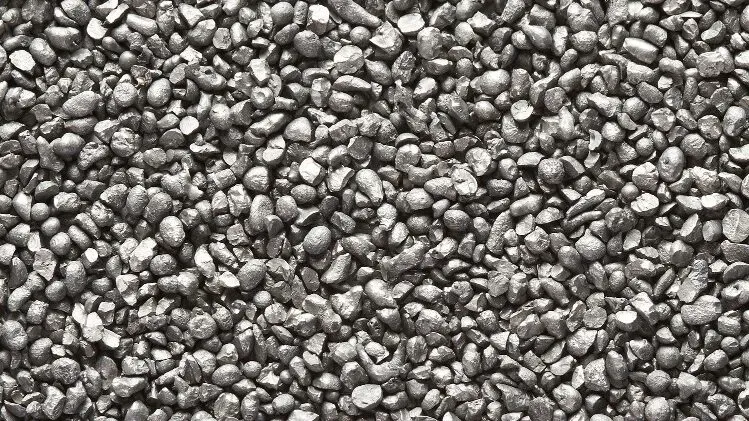
- Steel grit: Angular profile creates deeper anchor patterns, preferred when heavy-duty coatings need maximum adhesion.
- Stainless steel shot: Used for non-ferrous metals and applications where iron contamination must be avoided, such as aerospace or food-grade equipment.
- Cut wire shot: Longer lifespan and consistent size; preferred for shot peening on precision components.
Media selection has a direct impact on operating costs. Higher-quality media recycles more times before degrading, which reduces consumption rates and blast machine downtime for media replenishment.
What Malaysian Operators Should Prioritise
For manufacturers, fabricators, and foundries in Malaysia evaluating or upgrading their shot blasting operations, a few practical considerations stand out:
First, align your media specification with your coating system. A mismatch between surface profile and coating thickness is one of the most common causes of premature coating failure. Second, track media consumption and hardness over time — degraded media produces inconsistent surface profiles even on the same machine settings. Third, ensure your blast process documentation supports the quality records required by your customers or certification bodies.
For reliable abrasive media that supports consistent outcomes across these applications, Itaichu supplies ITC Steel Shot to industrial operators in Malaysia, providing the quality and performance standards that demanding sectors require.
Frequently Asked Questions
What industries use shot blasting in Malaysia?
Shot blasting is used across automotive manufacturing, steel fabrication, foundries, oil and gas, shipbuilding, and construction in Malaysia. Each sector uses it to prepare metal or concrete surfaces before coating, assembly, or inspection — meeting both international standards and local customer quality requirements.
What is the difference between shot blasting and sandblasting?
Shot blasting uses steel or metallic abrasive media in a centrifugal wheel-driven enclosed system, while sandblasting uses compressed air to propel sand or other abrasives. Shot blasting is faster, more consistent, and better suited for high-volume industrial production than sandblasting.
What surface cleanliness standard does shot blasting achieve?
Shot blasting can achieve Sa 2.5 (near-white metal) or Sa 3 (white metal) as defined by ISO 8501-1. These are the cleanliness grades required by most industrial coating specifications, including those used in oil and gas, structural steel, and marine fabrication projects in Malaysia.
How do I choose the right steel shot size for my application?
Shot size selection depends on the component geometry, required surface profile, and downstream coating system. Larger shot produces deeper anchor profiles suitable for heavy coatings, while smaller shot is used for precision parts or thin-walled components where dimensional tolerance must be maintained.
Is shot blasting required for structural steel in Malaysia?
Yes. Malaysian Standard MS 1747 and project specifications for government and infrastructure contracts typically mandate specific surface cleanliness grades before protective coatings are applied. Shot blasting is the most widely accepted and documented method for meeting these requirements consistently.
How does media quality affect shot blasting performance?
Higher-quality abrasive media maintains its shape and hardness through more blasting cycles, producing consistent surface profiles throughout its service life. Poor-quality media degrades quickly, increasing consumption costs and causing uneven surface preparation that can lead to coating adhesion failures.

























Sign in to leave a comment.