

A swimming pool provides a valuable outdoor space for relaxation, exercise, and family recreation, but regular attention is necessary to keep it safe and inviting. Homeowners often underestimate how quickly water quality, equipment performance, and surrounding surfaces can change when maintenance is delayed. Professional pool services in murrells inlet can help address these concerns through scheduled inspections, cleaning, water treatment, and equipment care. A consistent maintenance routine can reduce unexpected problems, protect pool components, and help preserve the appearance and usability of the entire swimming area throughout the year.
Water Testing and Chemical Balance
Water chemistry is one of the most important aspects of swimming pool maintenance because improperly balanced water can affect swimmers, surfaces, and equipment. Routine service commonly includes testing pH, alkalinity, sanitizer levels, and other relevant water conditions. When readings fall outside appropriate ranges, technicians can recommend or apply suitable adjustments. Balanced water helps reduce irritation, cloudy conditions, unpleasant odors, and scale formation. Regular testing also makes it easier to identify developing water quality concerns before they become more complicated and expensive maintenance problems.
Pool Cleaning and Debris Removal
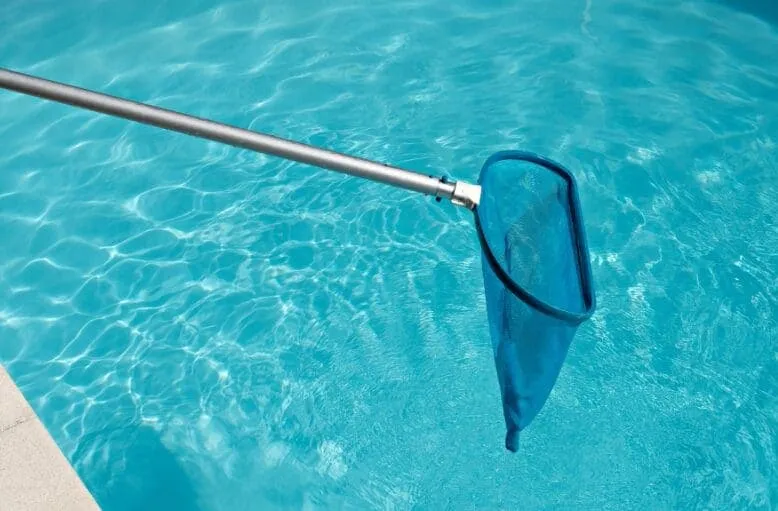
Outdoor pools naturally collect leaves, insects, dirt, pollen, and other debris, particularly when surrounded by landscaping. Routine cleaning typically involves skimming the water surface, removing debris from baskets, brushing pool walls, and vacuuming the floor. These tasks help maintain a cleaner appearance while reducing the amount of organic material available to affect water quality. Consistent cleaning can also support filtration efficiency because excessive debris places additional demands on the circulation system. A properly maintained pool generally looks clearer and remains more comfortable for regular recreational use.
Filtration and Circulation System Care
The filtration and circulation system plays a central role in keeping pool water clean. Water must move continuously through appropriate equipment so suspended particles and contaminants can be removed effectively. Maintenance services may include inspecting filters, checking pumps, examining valves, and confirming that water is circulating properly. Filters may require cleaning or replacement depending on their condition and design. Addressing reduced flow, unusual sounds, pressure changes, or other performance concerns early can help prevent larger equipment problems and support dependable pool operation.
Filter Inspection and Cleaning
Pool filters gradually collect particles removed from circulating water, which means they require periodic attention. A neglected filter can become clogged and reduce circulation, potentially making the water appear cloudy or placing additional strain on the pump. Professional maintenance can include checking filter pressure, cleaning appropriate filter components, and identifying signs of deterioration. The required service interval depends on factors such as pool usage, surrounding conditions, and filter type. Keeping filtration equipment clean and functional supports better water clarity and contributes to a more efficient overall maintenance routine.
Pump and Circulation Checks
The pump is responsible for moving water through the circulation and filtration system, making its condition especially important. Routine maintenance may involve inspecting connections, checking operating performance, and looking for signs of leaks or unusual vibration. A technician may also examine surrounding components to determine whether water is moving as expected. Early attention to performance changes can help reduce the likelihood of sudden equipment failure. Maintaining proper circulation also supports chemical distribution, filtration performance, and consistent water conditions across the entire pool.
Surface and Structural Maintenance
Pool surfaces require regular inspection because small changes can develop into more noticeable concerns over time. Maintenance professionals may examine walls, steps, coping, tile, and other visible areas for stains, cracks, discoloration, or unusual wear. Surface cleaning may also be performed to remove algae, mineral deposits, and accumulated grime. Although routine maintenance cannot prevent every structural problem, regular observation helps homeowners become aware of developing issues sooner. Early identification can make it easier to determine whether cleaning, minor attention, or a more detailed professional evaluation is appropriate.
Tile and Coping Care
Tile and coping contribute to both the appearance and functionality of a swimming pool. Mineral deposits, dirt, and organic buildup can accumulate along waterline areas and surrounding edges. Routine cleaning helps prevent these deposits from becoming increasingly difficult to remove. Maintenance professionals may also inspect coping for movement, damage, or deterioration that could affect nearby areas. Keeping these features clean and in good condition supports a polished appearance while helping homeowners notice potential concerns before they interfere with normal pool use or create more extensive maintenance requirements.
Deck and Surrounding Area Cleaning
The area surrounding a swimming pool also requires attention because dirt and organic debris can easily enter the water. Routine service may include sweeping or cleaning deck surfaces, removing leaves, and checking drainage around the pool. A cleaner surrounding area can reduce debris entering the water and improve the overall appearance of the outdoor space. Maintenance professionals may also observe signs of standing water, surface deterioration, or drainage concerns. Addressing these conditions promptly can contribute to a cleaner environment and a more functional pool area for household activities.
Seasonal Maintenance Needs
Pool maintenance requirements can change as weather and usage patterns shift throughout the year. Warmer periods often bring increased swimming activity, evaporation, debris, and chemical demand, while cooler periods may require different preparation and monitoring. Seasonal service can include adjusting maintenance schedules, inspecting equipment, evaluating water chemistry, and preparing the pool for changes in usage. Homeowners benefit when maintenance routines reflect actual environmental conditions instead of relying on a single schedule throughout the year. This approach can provide more consistent protection for pool systems and surfaces.
Preparing for Increased Pool Use
Before periods of frequent swimming, a pool may benefit from a thorough inspection and cleaning. Water chemistry should be evaluated, filtration equipment should be checked, and visible surfaces should receive appropriate attention. Higher usage can introduce additional contaminants and increase the demand placed on circulation and sanitation systems. A professional maintenance visit before busy periods can help identify concerns that might otherwise interrupt planned recreation. Preparing in advance also gives homeowners an opportunity to address minor issues before regular swimming activity places greater demands on the pool.
Managing Weather Related Debris
Weather can introduce leaves, branches, pollen, dirt, and other materials into an outdoor swimming pool. Strong storms may create additional cleaning requirements and can sometimes affect equipment or surrounding areas. Regular maintenance helps remove accumulated debris before it contributes to water quality problems or circulation restrictions. After significant weather events, a professional inspection may also help identify unusual conditions that are not immediately visible. Prompt cleanup and assessment can support cleaner water while reducing the possibility that debris or storm related damage will develop into a larger concern.
Preventive Inspections and Early Problem Detection
Preventive inspections are an important part of professional pool maintenance because many equipment and water quality problems begin with subtle warning signs. A technician may look for leaks, unusual pressure readings, deteriorating seals, damaged components, inefficient circulation, or changes in water appearance. Finding these concerns early can provide homeowners with more time to consider appropriate solutions. Preventive care does not eliminate every repair, but it can reduce avoidable interruptions and help extend the useful performance of equipment through consistent observation and timely maintenance.
Recognizing Small Warning Signs
Homeowners may notice warning signs between scheduled service visits, including unusual noises, persistent cloudy water, weak circulation, recurring algae, or unexplained water loss. These symptoms should not always be treated as ordinary maintenance conditions because they can indicate underlying problems. Professional evaluation can help determine whether the cause involves water chemistry, filtration, circulation, plumbing, or another component. Prompt attention is often more practical than allowing a minor concern to continue. Regular communication between homeowners and maintenance professionals can also improve the ability to track recurring issues.
Maintaining a Consistent Schedule
A dependable maintenance schedule provides structure for cleaning, water testing, equipment inspection, and seasonal preparation. The ideal frequency depends on pool size, usage, surrounding landscaping, weather conditions, and equipment requirements. Some pools may need more frequent attention during periods of heavy use or increased debris. Consistency is generally more effective than waiting until visible problems appear. A scheduled approach helps ensure that routine tasks are not overlooked and gives professionals opportunities to identify gradual changes that may otherwise remain unnoticed until they become more difficult to manage.
Benefits of Professional Pool Maintenance
Professional maintenance can provide homeowners with practical support for tasks that require regular attention and technical knowledge. Services may cover water testing, chemical adjustment, cleaning, filtration care, circulation checks, equipment inspections, and seasonal preparation. This assistance can be especially useful for homeowners with busy schedules or limited experience with pool systems. Consistent professional attention can also create a clearer maintenance record, making it easier to recognize recurring conditions and plan future care. A well organized approach helps keep routine responsibilities manageable while supporting the pool's long term condition.
Conclusion
Regular swimming pool maintenance involves much more than removing leaves from the water. Water chemistry, filtration, circulation, surfaces, surrounding areas, equipment, and seasonal conditions all influence how effectively a pool performs. Professional pool services in murrells inlet can provide structured attention to these common maintenance needs while helping homeowners identify developing concerns earlier. A consistent maintenance routine can support cleaner water, dependable equipment, and a more attractive outdoor environment. For homeowners seeking reliable assistance with ongoing pool care, Allstar Pool Company LLC can be considered when planning professional maintenance support.

























Sign in to leave a comment.