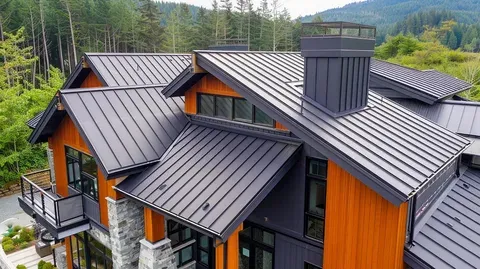

Most metal roofing concerns trace back to six causes: denting, noise, leaks at seams and fasteners, corrosion, thermal movement, and poor installation. Property owners can address nearly all of them by choosing the right metal and coating, installing proper underlayment, using the correct fasteners, and scheduling routine inspections.
A well-built metal roof can last 40 to 70 years, which is two to three times longer than a typical asphalt shingle roof. That lifespan only holds when the system is selected, installed, and maintained correctly. This guide explains each concern, what causes it, and the practical fix, so residential and commercial property owners can plan with confidence.
Roofing Freeport, a GAF Master Elite certified contractor with more than 26 years of local experience, has repaired and replaced metal systems across Long Island. The guidance below draws on that hands-on field work and on manufacturer standards.
Dents and Surface Damage
Hail, fallen branches, and heavy foot traffic can dent softer metals. Aluminum and copper dent more easily than steel, and thinner panels dent more than thicker ones. Most dents are cosmetic, but a deep crease can crack the paint finish and expose bare metal to moisture.
Property owners can reduce the risk in three ways:
- Choose 24-gauge steel over 26-gauge or 29-gauge panels in hail-prone areas.
- Select ribbed or textured profiles, which hide minor dents.
- Trim overhanging branches before storm season.
Bonus Tip: Ask for panels with a Class 4 impact rating. Some insurers offer premium discounts for them.
Noise During Rain and Hail
Many people expect a metal roof to sound like a drum. Bare panels over an open frame can be loud, but a properly built system is not. Solid plywood decking, synthetic underlayment, and attic insulation absorb most of the sound, so the result is comparable to other roof types. Owners of existing buildings can add insulation beneath the roof deck to cut noise further. Quiet performance depends on the layers under the panels, which makes metal roofing results a matter of the full assembly, not just the visible surface.
Leaks at Seams, Fasteners, and Flashing
Panels rarely fail first. Leaks usually start at penetrations such as chimneys, vents, skylights, and valleys, or at exposed fasteners. Exposed-fastener systems use screws with rubber washers. Those washers dry out after 10 to 15 years, and screws can loosen as panels expand and contract. Standing seam systems hide the fasteners and remove this weak point.
The fix depends on the cause:
- Replace worn washers and loose screws.
- Reseal flashing with a sealant that matches the panel metal.
- Upgrade to concealed-fastener panels during the next replacement.
Bonus Tip: Check fasteners after the first winter, then again each spring. Early tightening costs far less than repairing interior water damage.
Corrosion and Rust in Coastal Areas
Metal roofs resist rust well, but not perfectly. Salt air along Long Island's South Shore speeds up corrosion wherever scratches or cut edges expose bare steel. Galvalume-coated steel with a PVDF paint finish and aluminum panels hold up best near the coast. Mixing metals also causes trouble. Copper gutters touching steel panels, for example, trigger galvanic corrosion that eats away the steel.
To address it, owners should touch up scratches with manufacturer-matched paint, keep dissimilar metals apart, and rinse panels with fresh water once a year to remove salt. Reflective coatings add a side benefit, since they can cut summer cooling costs by 10 to 25 percent.
Thermal Movement and Fading
Metal expands in heat and shrinks in cold. Temperature swings on Long Island, from humid summers to freezing winters, put constant stress on metal roofing. Panels fastened too tightly can buckle, ripple, or tear their fastener holes. Floating clips and slotted holes let panels move freely, so installers should follow the manufacturer's spacing and clip rules.
Fading is a separate issue. PVDF finishes resist chalking and color loss far better than basic polyester coatings, and many carry 30-year finish warranties.
Installation Errors That Cause Long-Term Problems
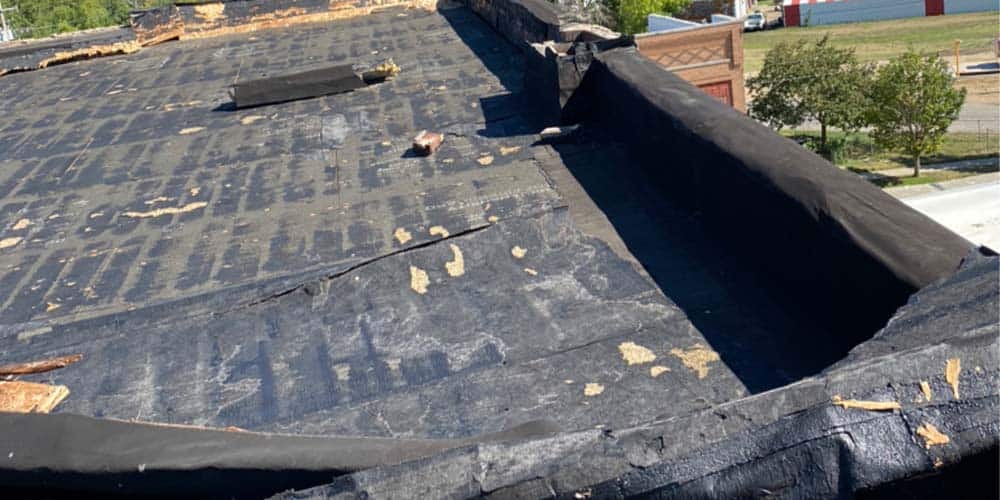
Poor workmanship causes more failures than the material itself. Common mistakes include skipping underlayment, using the wrong fasteners, cutting panels with abrasive blades that leave rust-prone edges, and sloppy flashing at roof penetrations. Crews must know the specific panel system they install.
Owners should ask for manufacturer certification, proof of licensing and insurance, and a written workmanship warranty.
Bonus Tip: Ask the contractor to show a recent project that used the same panel profile.
Quick Comparison of Metal Roof Problems and Solutions
| Concern | Main Cause | Best Fix | Prevention |
| Dents | Hail, branches, foot traffic | Replace panel or touch up finish | Thicker gauge, ribbed profile |
| Noise | Thin decking, no insulation | Add insulation under the deck | Solid decking, underlayment |
| Leaks | Worn washers, weak flashing | Reseal and replace fasteners | Concealed fasteners, spring checks |
| Corrosion | Scratches, salt, mixed metals | Touch-up paint, isolate metals | Coastal-grade coating, annual rinse |
| Buckling | Panels fastened too tightly | Refasten with floating clips | Correct clip spacing |
| Fading | Low-grade paint | Recoat the surface | PVDF finish |
Things to Consider Before Making a Decision
Metal roofing costs more upfront than asphalt, so a clear plan matters. Property owners should weigh these factors first:
- Location: Coastal buildings need coatings rated for salt exposure.
- Panel style: Standing seam costs more at the start but needs less upkeep than exposed fasteners.
- Metal type and gauge: Steel, aluminum, and copper differ in price, dent resistance, and corrosion behavior.
- Building type: Commercial low-slope roofs need specific profiles and sealing details.
- Warranty: Compare the paint finish warranty, the material warranty, and the installer's workmanship coverage.
- Total cost: A higher purchase price often balances out through longer lifespan and lower upkeep. Metal is also fully recyclable, and many panels contain 25 to 95 percent recycled content.
Final Thoughts on Protecting a Metal Roof Investment
Metal roofing delivers long service life when owners match the material to the climate, insist on skilled installation, and keep up with routine checks. Most concerns, from dents to leaks, have proven fixes that work best when applied early. Property owners should review their building type, budget, and long-term plans, then request a professional assessment before deciding.
Keep Your Metal Roof Leak-Free With Help From Local Experts
Property owners who want a professional opinion can contact Roofing Freeport at (516) 226-8500 or [email protected]. The licensed and insured team provides free estimates, financing options, and 24/7 support for urgent leaks. As a GAF Master Elite certified contractor offering a 50-year transferable warranty, they handle residential and commercial projects with premium materials and careful craftsmanship.
FAQs
How often should a metal roof be inspected?
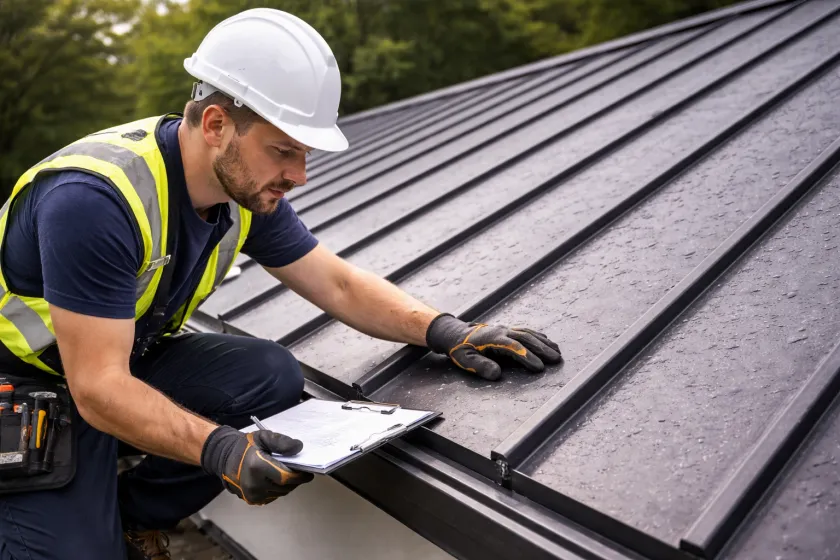
Twice a year is a good schedule, once in spring and once in fall. An extra check after a major storm catches loose fasteners and damaged flashing early.
Can metal panels be installed over existing shingles?
Sometimes. Many local codes allow one layer of shingles beneath metal if the deck is sound. Full tear-off lets installers inspect the decking and avoids trapping moisture.
Does a metal roof lower insurance costs?
Some insurers discount premiums for impact-rated or fire-rated roofs. Policies vary, so owners should ask their provider before installation.
Can a single damaged panel be repaired?
Yes. Isolated damage usually calls for panel replacement or resealing. Widespread corrosion or failed coatings may justify replacing the whole roof.
Do metal roofs work with solar panels?
Yes. Standing seam roofs accept clamp-on mounts that need no roof penetrations, which protects the waterproofing.






















Sign in to leave a comment.