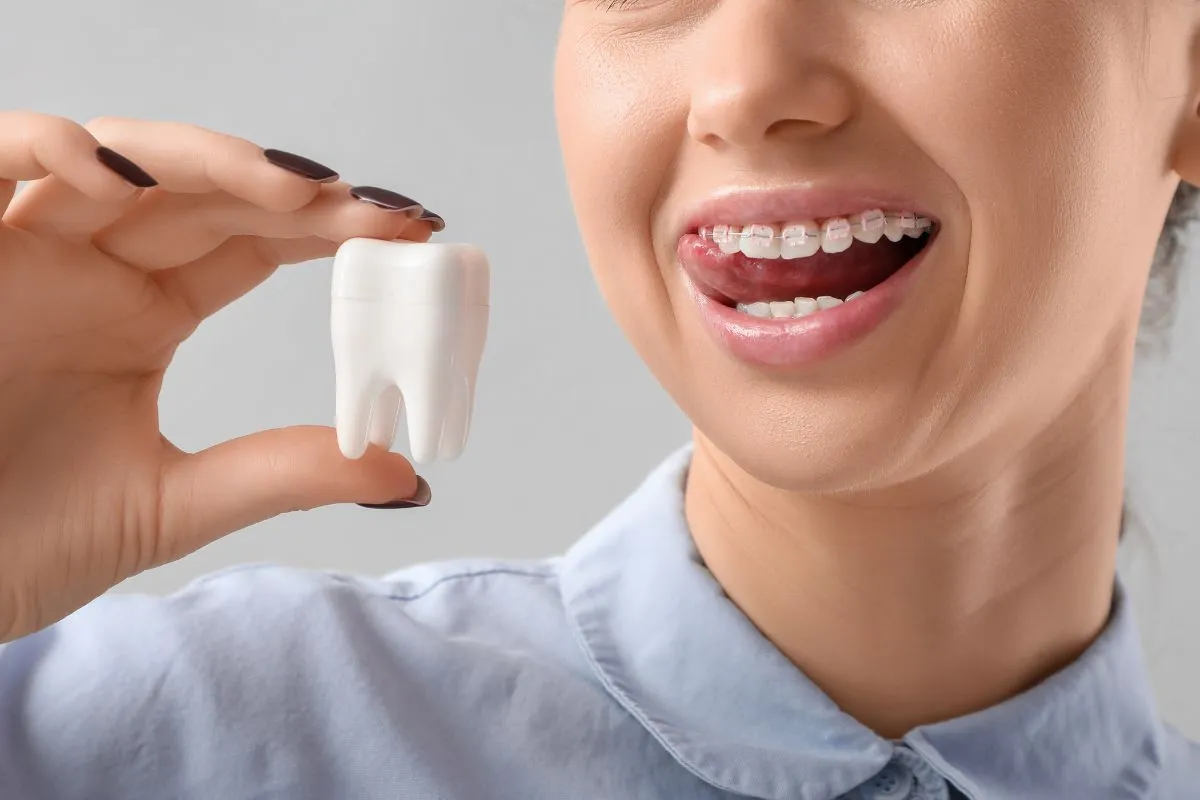

Not every orthodontic concern is obvious just by looking in the mirror. Crowded or crooked teeth are the most recognizable reason people seek orthodontic treatment. Bite problems can be just as important to address and are sometimes harder to notice on your own. A bite issue can develop gradually over years which makes it easy to overlook until it starts affecting daily comfort or function.
A few common signs suggest your bite could benefit from orthodontic treatment. Difficulty chewing certain foods is one of the more noticeable signals people describe to their dentist. Frequent jaw clicking or popping when opening and closing the mouth can point toward a bite relationship that isn't distributing pressure evenly. Unusual wear patterns on the surface of your teeth may develop when teeth meet incorrectly during normal biting and chewing. Biting your cheek or tongue more often than expected can also be connected to how your upper and lower teeth align. Noticing that your upper and lower teeth don't line up when your mouth is closed is another sign worth discussing with an orthodontist. Speech difficulties and ongoing jaw or facial discomfort can sometimes trace back to bite alignment as well.
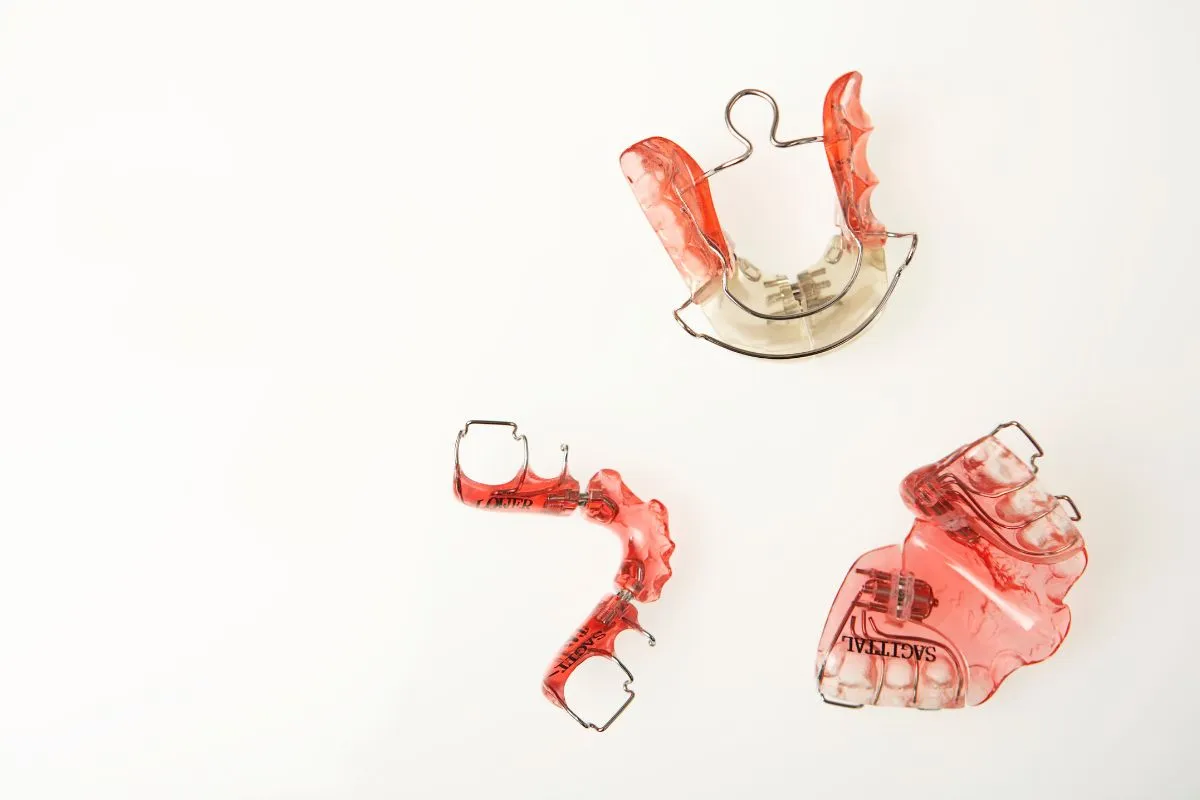
Left unaddressed bite issues can sometimes lead to uneven tooth wear over time. Jaw strain and discomfort may also develop when the bite forces teeth and jaw joints into an unnatural position. Maintaining oral hygiene can become more difficult in hard-to-reach areas created by a misaligned bite. Orthodontic treatment options like braces or clear aligners are designed to gradually correct these bite relationships rather than only improve the appearance of a smile. This is why a professional evaluation matters even when teeth look relatively straight from the outside.
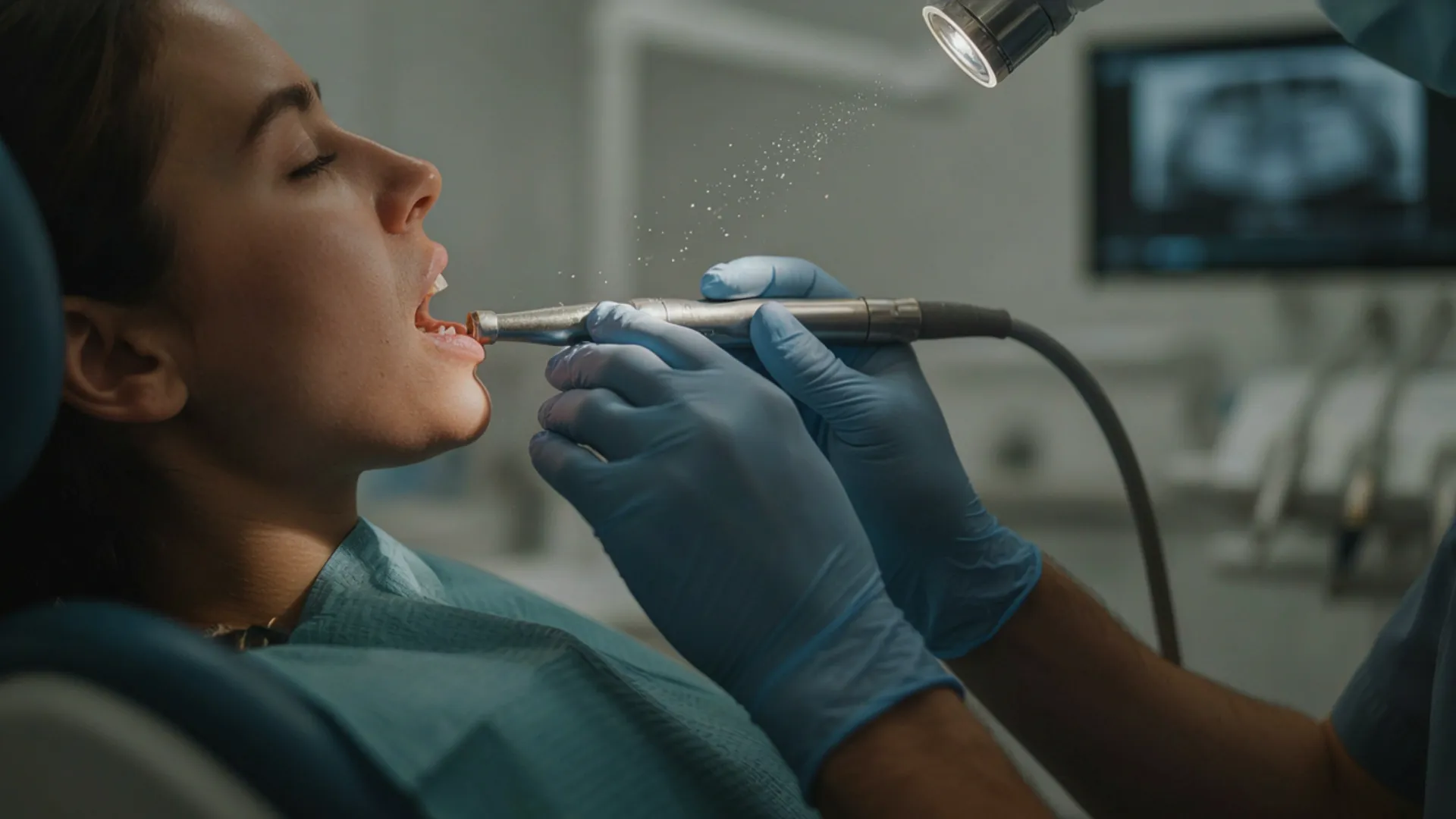
Understanding your bite type is an important part of any orthodontic treatment plan. An orthodontist will typically examine how your teeth meet from several angles and may recommend digital imaging to get a complete picture. This information helps determine whether braces clear aligners or another approach would be most effective for correcting the specific bite concern being addressed. No two bites are identical so treatment recommendations can vary significantly between patients even when their symptoms sound similar.
If any of these signs sound familiar it may be worth scheduling a consultation with an orthodontist. A thorough evaluation can determine whether orthodontic treatment is recommended and if so which approach best fits your bite lifestyle and long-term oral health goals. Addressing bite concerns early can sometimes prevent more involved treatment later and can make daily habits like chewing and speaking feel more comfortable. Taking the time to have your bite evaluated is a practical step toward protecting both the function and the health of your smile for years to come.

























Sign in to leave a comment.