

Jaw discomfort can interfere with everyday activities such as eating, speaking, yawning, and sleeping. Symptoms may involve the jaw joints, surrounding muscles, or both, and their intensity can vary from occasional soreness to persistent discomfort. Because several factors can contribute to jaw problems, identifying the underlying cause is important before selecting an appropriate approach. For individuals experiencing recurring symptoms, TMJ treatments may provide options for improving comfort, reducing strain, and supporting more natural jaw movement when recommended after a professional evaluation.
Understanding TMJ Disorders
What the TMJ Does
The temporomandibular joints connect the lower jaw to the skull and allow movements necessary for chewing, speaking, swallowing, and other everyday activities. These joints work together with muscles, ligaments, and surrounding tissues to provide controlled movement. When the joints or muscles become irritated, strained, or affected by excessive pressure, symptoms can develop. Jaw discomfort may occur on one or both sides and may sometimes extend toward the ears, temples, face, or neck. Understanding how these structures work can help patients recognize potential signs of dysfunction.
Common Symptoms
TMJ related concerns can produce several symptoms that may affect daily comfort. Some individuals experience clicking, popping, or grinding sensations when moving the jaw, while others notice stiffness or tenderness around the joints and muscles. Headaches, facial soreness, ear related discomfort, and difficulty opening the mouth can also occur. Chewing may become uncomfortable when the jaw muscles become fatigued or irritated. Because these symptoms can overlap with other conditions, professional evaluation is important before assuming that every jaw complaint is caused by a TMJ disorder.
Factors That May Cause Jaw Discomfort
Teeth Clenching and Grinding
Clenching and grinding can place repeated pressure on the teeth, jaw muscles, and temporomandibular joints. Some individuals clench during stressful situations while others grind their teeth during sleep without realizing it. Continuous muscle activity can contribute to soreness, fatigue, headaches, and joint irritation over time. Recognizing these habits can be an important part of managing symptoms. A dental professional may ask about morning jaw stiffness, worn teeth, headaches, or reports from sleeping partners when evaluating whether nighttime grinding or daytime clenching may be contributing to discomfort.
Stress and Muscle Tension
Stress can influence muscle activity and may cause some individuals to tighten their jaw without noticing. Holding tension in the facial muscles for extended periods can contribute to soreness and fatigue. Stress does not explain every TMJ problem, but it may worsen symptoms for certain people. Relaxation techniques, awareness of jaw positioning, and healthy daily routines may help reduce unnecessary tension. Professional guidance can help determine whether muscle related habits are contributing to discomfort and whether lifestyle adjustments should form part of a broader treatment plan.
Conservative TMJ Approaches
Resting the Jaw
Reducing unnecessary strain can sometimes help irritated jaw muscles and joints settle. Patients may be advised to temporarily avoid excessively hard or chewy foods and reduce habits such as prolonged gum chewing. Soft foods may be more comfortable during periods of significant soreness, although dietary recommendations should be individualized. Resting the jaw does not mean avoiding normal movement completely. Gentle everyday movements can remain important unless a professional recommends otherwise. The goal is generally to reduce excessive workload while allowing comfortable jaw function to continue.
Warm and Cold Applications
Temperature based comfort measures may be recommended for certain types of jaw discomfort. Depending on the nature of symptoms, a warm application may help relax tense muscles, while a cold application may provide temporary comfort when inflammation or soreness is present. Patients should follow professional guidance about which approach is appropriate and how it should be used. Excessive temperature or prolonged application should be avoided. These methods are generally supportive measures rather than complete treatments, so persistent symptoms should still receive professional attention and evaluation.
Oral Appliances and Protective Care
Nighttime Oral Appliances
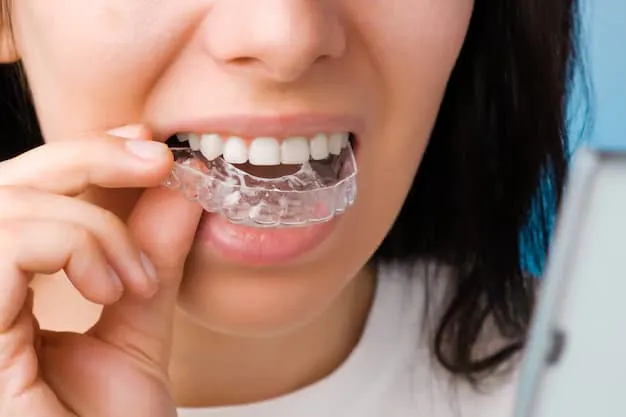
An oral appliance may be considered when nighttime clenching or grinding contributes to jaw discomfort or tooth wear. A properly selected appliance can create a protective barrier between the upper and lower teeth and may help manage forces associated with grinding. The design should be appropriate for the individual's bite and dental condition. Patients should receive professional guidance rather than using an unsuitable device without evaluation. Regular monitoring can help determine whether the appliance remains comfortable and appropriate as the patient's symptoms and dental condition change.
Benefits and Limitations
Oral appliances can be useful for selected patients, but they are not a universal solution for every TMJ concern. Jaw discomfort can have multiple causes, and an appliance may address only one contributing factor. Patients should understand the intended purpose of the device, how it should be worn, and how it should be maintained. Follow up appointments may be recommended to assess comfort and response. Understanding both benefits and limitations helps patients maintain realistic expectations and avoid assuming that an appliance alone will resolve every type of jaw problem.
Therapeutic Approaches for Jaw Muscles
Jaw Exercises
Certain patients may benefit from carefully selected exercises intended to encourage comfortable jaw movement and improve muscle coordination. Exercises should be appropriate for the individual's condition because aggressive or incorrect movements could potentially increase discomfort. A dental or healthcare professional can provide guidance about suitable techniques when exercises are recommended. Patients should perform them consistently and stop if significant pain develops. The purpose is generally to support controlled movement rather than force the jaw beyond a comfortable range. Personalized instruction can make exercises safer and more useful.
Physical Therapy
Physical therapy may be considered in some cases when muscle tension, movement patterns, posture, or other physical factors contribute to jaw discomfort. A qualified professional can evaluate movement and provide exercises or techniques designed to improve flexibility, coordination, and muscle function. Therapy may focus on the jaw as well as nearby areas such as the neck and shoulders when appropriate. Not every patient requires physical therapy, but it can form part of a multidisciplinary approach when symptoms persist despite simpler measures or when movement problems are identified.
Dental and Bite Related Considerations
Evaluating the Bite
The way the upper and lower teeth meet can influence jaw movement and chewing patterns. A dental professional may examine the bite when evaluating recurring jaw discomfort, particularly when symptoms occur alongside tooth wear, clenching, or changes in chewing. However, bite differences do not automatically mean that extensive correction is necessary. Careful assessment is important before recommending any procedure that changes the teeth or bite. Understanding the relationship between dental structures and jaw function helps professionals determine whether bite related factors may be relevant to an individual's symptoms.
Addressing Dental Problems
Cavities, damaged teeth, missing teeth, worn restorations, or other dental concerns may sometimes influence chewing patterns and comfort. When these issues are present, addressing them may form part of a broader approach to oral health. Restorative treatment should be based on a professional assessment rather than assuming that dental work will automatically resolve TMJ symptoms. Patients can discuss changes in chewing, tooth sensitivity, or discomfort during dental appointments. Treating relevant dental problems can help support balanced oral function while the underlying jaw concern is evaluated separately.
Botox and TMJ Related Care
Muscle Relaxation
Botox may be considered for selected patients when excessive muscle activity contributes to jaw tension or related discomfort. The treatment involves carefully targeted injections designed to temporarily reduce activity in specific muscles. Suitability depends on the individual's symptoms, goals, health history, and professional assessment. Botox is not appropriate for every TMJ concern, and it should not be viewed as a universal treatment. Patients considering this option should receive clear information about expected benefits, limitations, possible side effects, and the temporary nature of the results.
Professional Assessment
Before considering Botox for jaw related concerns, a professional evaluation is important. The provider may assess muscle activity, symptoms, jaw movement, dental history, and other factors that could contribute to discomfort. This evaluation helps determine whether Botox is suitable or whether another approach may be more appropriate. Patients should also discuss previous treatments and any relevant medications or health concerns. Careful planning can help ensure that treatment is based on individual needs rather than simply following a general approach used for another patient's symptoms.
Managing Daily Habits
Reducing Excessive Chewing
Everyday habits can contribute to jaw strain, especially when they require prolonged or forceful chewing. Frequent gum chewing, biting hard foods, or chewing on objects can increase workload for the jaw muscles. Individuals experiencing discomfort may benefit from reducing these habits while following professional recommendations. Eating comfortably prepared foods during periods of soreness may also reduce strain. Small behavioral changes can support other treatment approaches and may help patients become more aware of activities that trigger symptoms or increase tension during the day.
Maintaining Jaw Awareness
Many people clench their teeth without realizing it, particularly when concentrating, driving, working, or feeling stressed. Developing awareness of jaw position can help individuals recognize when unnecessary muscle tension is occurring. When the jaw is at rest, the teeth generally do not need to remain tightly pressed together. Patients can periodically check whether their facial muscles feel tense and consciously relax them when appropriate. Awareness alone may not resolve a TMJ disorder, but it can be a useful component of a broader strategy for reducing avoidable muscle activity.
When Professional Evaluation Is Important
Persistent Discomfort
Occasional jaw noises without pain may not always require treatment, but recurring discomfort should not be ignored. Individuals experiencing persistent soreness, headaches, difficulty chewing, restricted movement, or tenderness around the jaw may benefit from professional evaluation. A dental professional can review symptoms and determine whether the concern appears related to the TMJ, surrounding muscles, dental structures, or another issue. Early evaluation can provide useful information and may help patients avoid relying on unverified remedies that could potentially make symptoms worse.
Sudden Changes
Sudden or significant changes in jaw movement can require prompt attention, especially when accompanied by substantial pain, swelling, injury, or difficulty opening or closing the mouth. Patients should avoid forcing the jaw into a different position or attempting aggressive self treatment. Professional assessment can help determine the appropriate response and whether additional evaluation is necessary. Prompt communication is particularly important following facial injuries because the underlying structures may require closer examination. Understanding when symptoms warrant professional care can help individuals respond more appropriately to unexpected changes.
Long Term TMJ Management
Monitoring Progress
TMJ symptoms can change over time, so monitoring progress is an important part of ongoing care. Patients may notice improvements in pain, chewing comfort, jaw movement, headaches, or muscle tension as treatment progresses. Keeping track of symptoms can provide useful information during follow up appointments. If discomfort remains unchanged or worsens, the treatment plan may need to be reassessed. Regular communication helps professionals determine whether current strategies remain appropriate and whether additional evaluation or treatment should be considered.
Maintaining Healthy Habits
Long term jaw comfort often depends on maintaining habits that reduce unnecessary strain. Patients can support their jaw by avoiding excessive chewing, managing clenching awareness, following recommended exercises, maintaining good oral hygiene, and attending appropriate dental appointments. Healthy sleep and stress management routines may also be useful when muscle tension is associated with daily habits. There is no single strategy that works for everyone, so patients should follow recommendations tailored to their specific condition. Consistency can make supportive measures more effective over time.
Choosing Appropriate Treatment
Personalized Recommendations
The most appropriate TMJ approach depends on the cause, severity, duration, and nature of the symptoms. Some patients may improve with simple habit adjustments, while others may benefit from oral appliances, exercises, physical therapy, or carefully selected additional treatments. Professional assessment helps identify which options are suitable and which may be unnecessary. Patients should receive clear explanations before beginning treatment so they understand the purpose and expected outcomes. Personalized recommendations can provide a more practical path toward managing discomfort while protecting normal jaw function.
Continuing Professional Care
TMJ management should generally be viewed as an ongoing process rather than a single procedure. Regular follow up can help evaluate changes, address new symptoms, and adjust recommendations when necessary. Patients should communicate openly about improvements, remaining discomfort, or activities that appear to trigger symptoms. Continued professional care also provides opportunities to review oral health and related factors that may influence jaw comfort. With appropriate evaluation, consistent habits, and individualized treatment, many patients can work toward better daily comfort and more confident jaw function.
Conclusion
TMJ discomfort can develop from several contributing factors, including clenching, grinding, muscle tension, injury, and certain dental or behavioral habits. Treatment may involve conservative measures, oral appliances, exercises, physical therapy, lifestyle adjustments, or carefully selected procedures such as Botox when appropriate. Because every patient has different symptoms and underlying factors, professional evaluation remains essential before choosing a treatment approach. Consistent follow up and healthy daily habits can further support long term comfort. For individuals seeking personalized guidance for jaw related concerns, Martinez & Martinez Family Dental Care can provide professional dental care based on individual needs and oral health goals.
























Sign in to leave a comment.