

A mother in Loudoun County kept a small notebook by the front door for months, jotting down every word her son used on his own that week, no matter how small. "More." "Outside." "Mine." She still has the notebook, and flipping back through it now feels like watching a slow, steady climb rather than any single dramatic leap.
Communication is usually one of the first areas families in Virginia bring up when they start looking into ABA therapy, and it is also one of the areas where progress can look different from what parents initially picture.
Where communication goals actually start
A behavior analyst typically begins by figuring out how a child currently communicates, whether that is spoken words, gestures, a picture exchange system, or an AAC device, rather than assuming every child should be working toward the same milestone. Some children are building their first functional words. Others already speak but struggle with back-and-forth conversation or asking questions. The starting point shapes everything that follows.
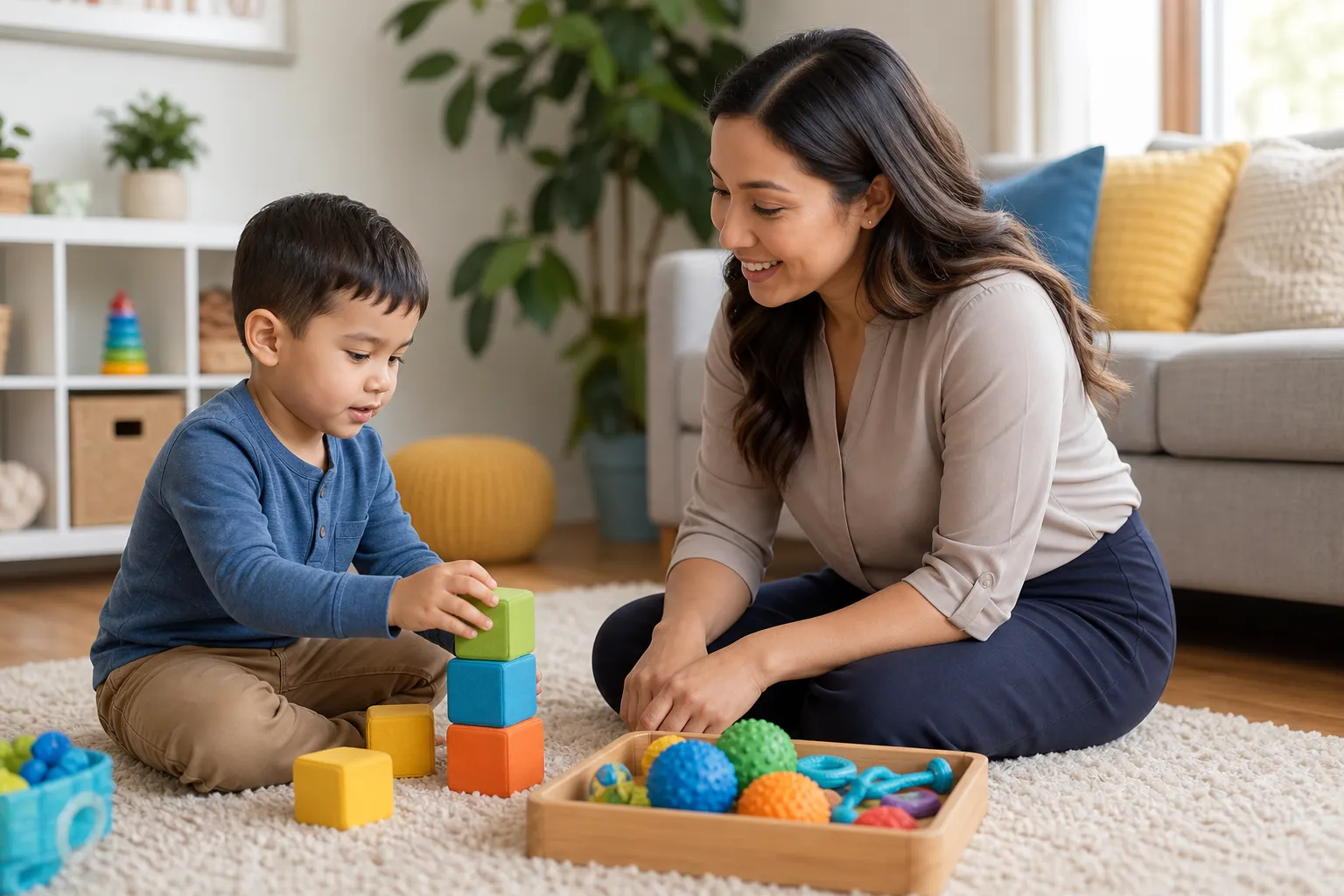
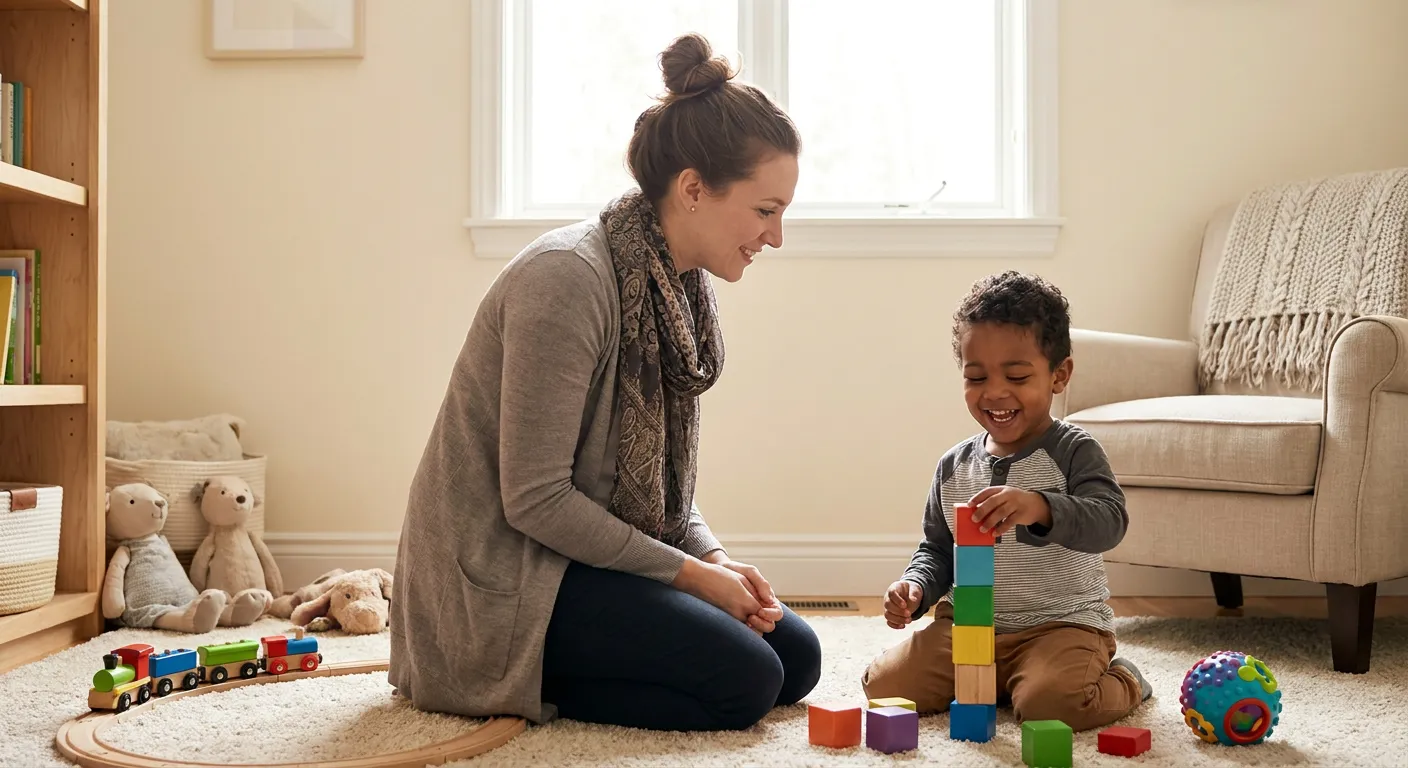
Natural environment teaching plays a big role here. Rather than drilling vocabulary at a table, a technician often builds communication goals into moments a child already cares about: asking for a turn on a swing, requesting a favorite snack, or protesting appropriately when something unwanted happens. These small, repeated opportunities tend to matter more than any single formal lesson.
Why this work takes the shape it does
Families searching for support can see Galaxy ABA for a sense of how communication goals get folded into the broader plan alongside other priorities like social skills and independence, rather than treated as a separate track running on its own. Communication rarely develops in isolation. A child who gains a new way to ask for something often shows a ripple effect in reduced frustration and fewer difficult moments overall.
Parent involvement matters enormously in this particular area. A technician might spend an hour a week working directly with a child, but a parent using the same strategies consistently throughout the day gives a new communication skill far more chances to take hold. Programs that build parent coaching into communication goals from the start, rather than treating it as optional, tend to see skills generalize more reliably across settings.
What families should expect and what they shouldn't
Progress with communication goals is rarely a straight line, and a good team will be upfront about that rather than promising a smooth, predictable path. Some weeks bring visible gains. Others involve consolidating a skill that already exists before the next one becomes reachable. This unevenness is normal and does not mean a plan has stalled.
What families in Virginia consistently describe as the biggest shift isn't any single new word or phrase, but the change in the whole household's rhythm once a child has more reliable ways to be understood. Fewer guessing games at mealtime, fewer meltdowns rooted in frustration nobody could name. That change tends to show up gradually, built from a long string of small, unglamorous moments rather than one milestone marked on a calendar.
























Sign in to leave a comment.