

Eyebrows play an important role in facial expression, symmetry, and overall appearance, so thinning or sparse brows can affect how the face looks. Several factors, including genetics, overplucking, ageing, scarring, hormonal changes, and certain medical conditions, may contribute to reduced eyebrow density. For people considering a lasting solution, an eyebrow transplant in Turkey can provide a way to restore hair in areas where natural growth has become limited. Understanding the procedure, suitability, costs, preparation, recovery, and expected results can help prospective patients approach treatment with realistic expectations.
Understanding Eyebrow Transplantation
An eyebrow transplant is a hair restoration procedure that transfers individual hair follicles from a donor area to sparse or empty sections of the eyebrows. The follicles are carefully positioned according to the natural direction and angle of eyebrow hair growth. Unlike temporary cosmetic products, transplanted follicles can continue producing hair after successful healing and growth. The procedure requires careful planning because eyebrows contain relatively fine hairs and have distinctive growth patterns. Proper placement is therefore important for creating a natural appearance that complements the individual's facial proportions and existing eyebrow structure.
Why Eyebrows Become Sparse
Sparse eyebrows can develop for many different reasons, and identifying the underlying cause can help determine whether transplantation is appropriate. Frequent plucking can damage follicles over time, while ageing may naturally reduce hair density. Scarring from injuries, burns, or previous procedures can also prevent normal growth in specific areas. Some individuals naturally have thinner eyebrows because of genetics. Changes in hormones or certain health conditions may affect eyebrow growth as well. A professional assessment can help determine the likely cause of hair loss and whether transplanted follicles are a suitable option.
Who May Consider Treatment
People with naturally thin eyebrows, uneven density, overplucked brows, gaps, or stable hair loss may consider an eyebrow transplant. Candidates generally need a suitable donor area containing healthy follicles that can be harvested without creating noticeable thinning elsewhere. The condition of the recipient area also needs to be assessed before treatment. Patients should discuss previous cosmetic procedures, scarring, ongoing hair loss, and expectations during consultation. A professional evaluation is important because transplantation is not automatically appropriate for every type of eyebrow loss, and another treatment approach may sometimes be recommended.
Planning an Eyebrow Transplant
Planning begins with a detailed consultation that examines the existing eyebrows, donor hair, facial proportions, and desired shape. The clinician may discuss density, thickness, arch position, inner brow structure, and tail length before developing a treatment plan. Photographs and other assessments may help with planning the placement of individual follicles. Patients should communicate their expectations clearly while remaining open to professional recommendations. A carefully designed plan can help ensure that the restored eyebrows complement the patient's facial features rather than appearing overly dense, artificially shaped, or inconsistent with natural hair growth.
Choosing Donor Hair
The donor area is an important consideration because eyebrow restoration requires follicles that can produce suitable hair characteristics. Hair may be selected from an area such as the scalp when appropriate, although the exact donor site depends on the patient's individual characteristics and clinical plan. The selected follicles should provide adequate quality and availability while allowing the donor area to remain natural looking. Patients should ask how the donor area will be assessed and how follicles will be selected. Careful donor planning can contribute to both the appearance of the eyebrows and the overall quality of the restoration.
Designing the Brow Shape
Eyebrow design should account for the individual's natural facial structure rather than relying on a standard shape. The clinician considers the position of the eyes, forehead, nose, existing brow hairs, and overall facial balance when planning the restoration. The direction of each follicle also matters because eyebrow hairs generally grow at shallow angles compared with scalp hair. A thoughtful design can create gradual transitions from the inner brow toward the arch and tail. Patients should discuss their preferred appearance during consultation while understanding that the final design must remain compatible with natural anatomy.
Eyebrow Transplant Techniques
Different hair restoration techniques may be used for eyebrow transplantation, with follicular unit extraction being a common approach. Individual follicles are carefully removed from the donor area and prepared for implantation into the eyebrow region. Because the recipient area is small and the follicles are placed individually, precision is particularly important. The clinician must consider angle, direction, spacing, and depth when positioning each graft. The selected technique depends on the patient's donor characteristics, restoration goals, and clinical circumstances. A consultation can clarify which method is appropriate for the planned treatment.
Follicle Extraction
During follicle extraction, individual grafts are removed from the donor area using specialised instruments. The process is designed to minimise unnecessary tissue damage while collecting follicles suitable for transplantation. Grafts are then prepared for implantation into the eyebrow area. Because eyebrow restoration typically requires relatively few follicles compared with scalp transplantation, careful handling of each graft is important. The clinician must also consider the survival of the follicles during preparation and placement. Patients should receive information about the extraction method and what the donor area may look like during the early recovery period.
Individual Graft Placement
Individual graft placement is one of the most precise stages of eyebrow transplantation. Each follicle needs to be inserted at an appropriate angle and direction so that the growing hair follows a natural pattern. Excessive density or incorrect positioning can make the eyebrows appear unnatural. The clinician therefore considers existing hairs and the planned brow shape when placing grafts. Because every follicle contributes to the final appearance, careful placement can have a significant effect on the overall result. Patients should understand that precision is particularly important when restoring a highly visible facial feature.
Understanding Eyebrow Transplant Costs
The cost of eyebrow transplantation can vary according to several factors, including the number of grafts required, treatment technique, clinic location, practitioner experience, consultation requirements, and aftercare services. Patients travelling internationally may also need to consider accommodation, transportation, flights, and other travel expenses. Some treatment packages may include selected travel related services, while others may charge separately. Rather than relying solely on an advertised starting price, patients should request a detailed quotation based on their individual treatment plan. Understanding the complete cost can make financial planning more predictable.
Factors Affecting Treatment Price
The number of follicles needed can influence the overall cost because larger areas of eyebrow loss may require more grafts and additional treatment time. Previous scarring or complex restoration requirements may also affect the planning process. The technique used, level of practitioner involvement, facility standards, consultation services, and aftercare arrangements can contribute to pricing. International patients should also determine whether taxes, medications, transportation, accommodation, or additional procedures are included. Comparing detailed treatment plans can provide a clearer understanding of what each quoted price represents and whether additional expenses may arise.
Looking Beyond the Price
A low advertised price does not necessarily indicate the complete cost or scope of treatment. Patients should examine what is included, who performs the procedure, how the treatment is planned, and what support is available afterward. The quality of consultation, donor assessment, graft handling, placement precision, and aftercare can all influence the overall treatment experience. Patients should also confirm whether follow up guidance is available after returning home. Looking at the complete treatment pathway rather than the initial price alone can help individuals understand the practical and clinical considerations associated with eyebrow transplantation.
Preparing for Eyebrow Transplantation
Preparation may involve several steps before the procedure. Patients should provide accurate information about medications, allergies, previous procedures, skin conditions, and relevant medical history. The clinical team may provide instructions regarding medications, alcohol, smoking, skincare products, and other factors that could influence treatment or recovery. Patients should follow personalised instructions rather than relying on general online advice. International travellers should also organise accommodation and transportation in advance and allow sufficient time around appointments. Good preparation can make the treatment process more organised and ensure that patients understand what is expected before arriving for the procedure.
Discussing Expectations
Clear communication about expectations is important because eyebrow restoration results develop gradually rather than appearing immediately. Patients should discuss preferred thickness, shape, density, and overall appearance during consultation. However, the final design must account for natural facial proportions and the characteristics of available donor hair. Patients should understand that transplanted follicles may initially behave differently from established eyebrow hairs. Realistic expectations can help individuals appreciate the gradual nature of growth and understand why several months may be required before the final appearance becomes clearer.
Preparing for Travel
Patients travelling to Turkey for eyebrow transplantation should plan their trip around consultation, treatment, and recovery requirements. Accommodation should be comfortable and conveniently located when possible, particularly during the first days after treatment. Patients should avoid scheduling unnecessary activities immediately after the procedure because the eyebrow area may require gentle care. Flights should also allow reasonable flexibility if the clinical schedule changes. Having a clear itinerary, access to treatment information, and appropriate aftercare instructions can make international treatment easier to manage and reduce avoidable stress during the recovery period.
Eyebrow Transplant Recovery
Recovery after an eyebrow transplant generally involves an early period during which the treated area may appear slightly swollen, red, or sensitive. Small crusts can develop around implanted follicles and usually require gentle care while the skin heals. Patients should avoid scratching, rubbing, or applying unapproved cosmetic products to the treated area. The transplanted hairs may initially remain visible before entering a temporary shedding stage. This shedding can be part of the normal growth cycle and does not necessarily indicate treatment failure. Professional aftercare instructions should always take priority throughout recovery.
Caring for the Treated Area
Gentle care is important during the first stages of healing. Patients may receive instructions about washing, sleeping positions, skincare products, and avoiding pressure on the eyebrows. The treated area should be handled carefully to avoid unnecessary irritation or disruption of newly implanted follicles. Patients should also follow any medication or cleansing instructions provided by the clinical team. Cosmetic products should not be introduced prematurely unless specifically approved. Because recovery varies between individuals, patients should contact their treatment provider if they experience unexpected symptoms or have concerns about the healing process.
Managing Early Changes
The appearance of the eyebrows can change considerably during the first weeks and months following transplantation. Newly transplanted hairs may shed after an initial period, while the follicles remain beneath the skin before entering a new growth cycle. New growth generally develops gradually rather than appearing all at once. Patients should therefore avoid judging the final outcome during the early recovery period. Regular progress photographs can help track changes over time. Understanding the expected growth cycle can reduce unnecessary concern and help patients maintain realistic expectations while waiting for fuller eyebrow development.
Eyebrow Hair Growth
Transplanted eyebrow follicles generally require time to establish a new growth cycle. Initial growth may begin gradually, with visible changes becoming more noticeable over subsequent months. The final appearance can depend on follicle survival, hair characteristics, individual healing, and the accuracy of implantation. Because transplanted hairs may continue growing like their original donor hair, some patients may need to trim them periodically. This maintenance can become part of the normal routine after recovery. Patients should follow professional guidance about when trimming or grooming can safely resume following transplantation.
Understanding Final Results
The final outcome of eyebrow transplantation cannot usually be assessed immediately after treatment. Early swelling, crusting, shedding, and uneven growth can temporarily affect the appearance. As new hairs develop and mature, the eyebrows can gradually appear fuller and more defined. The timeline differs among individuals because healing and hair growth are influenced by biological factors. Patients should allow sufficient time before evaluating the final result. Follow up assessments can help the clinical team monitor progress and provide guidance if additional grooming, maintenance, or treatment is appropriate.
Maintaining Transplanted Eyebrows
Once the eyebrows have fully healed, routine grooming can generally resume according to professional guidance. Transplanted hairs may continue growing and can require occasional trimming to maintain a suitable length. Gentle cleansing and normal skincare can usually become part of the regular routine once healing is complete. Patients should avoid excessive plucking because removing transplanted hairs may reduce the density achieved through treatment. Regular care can help preserve the intended shape and appearance. Patients should also seek professional advice if they notice unexpected changes in growth, skin condition, or eyebrow density.
Long Term Considerations
Eyebrow transplantation is intended to provide a lasting restoration of hair in areas where follicles have been lost or become inactive. However, surrounding natural eyebrow hairs may continue to change over time because of ageing or other factors. This means that the appearance of the transplanted area can evolve as the years pass. Patients should understand that maintenance may involve regular trimming and occasional professional assessment. If additional hair loss occurs elsewhere in the eyebrows, further treatment may sometimes be considered. Long term expectations should therefore be discussed during the initial consultation.
Choosing an Eyebrow Transplant Provider
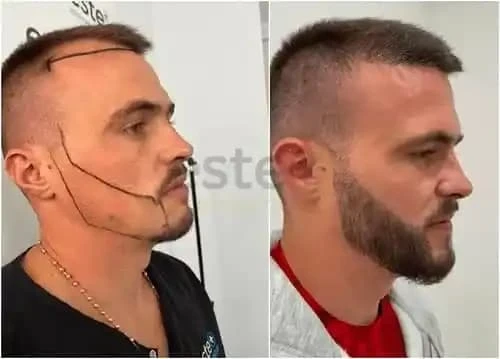
Choosing a suitable provider requires attention to practitioner experience, treatment planning, facility standards, donor assessment, graft handling, placement technique, and aftercare support. Patients should review relevant qualifications and ask who will perform each stage of the procedure. Before and after photographs can provide useful visual information, although results vary between individuals and should not be treated as guarantees. Patients should also request a clear treatment plan and complete cost breakdown. A detailed consultation can help determine whether the proposed approach is appropriate and whether the provider can address the patient's specific eyebrow restoration goals.
Conclusion
An eyebrow transplant can offer a lasting approach to restoring sparse areas and creating greater eyebrow density when suitable follicles are available. Patients considering treatment should understand candidacy, donor selection, brow design, implantation technique, costs, preparation, travel arrangements, recovery, growth timelines, and long term grooming requirements. A personalised consultation remains essential because each person's facial structure, donor hair, and pattern of eyebrow loss are different. Este Medical Group can support individuals exploring eyebrow transplantation in Turkey by providing consultation, treatment planning, and guidance designed around their individual restoration requirements and expectations.






















Sign in to leave a comment.