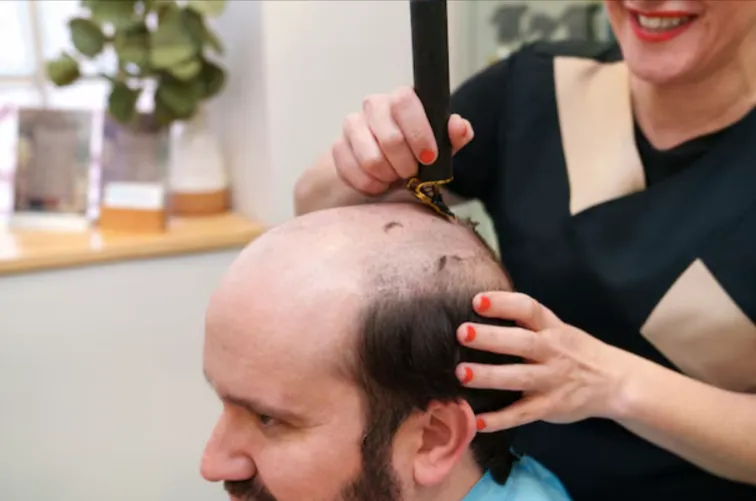

Hair loss is one of the most common hair and scalp concerns affecting both men and women in India. From excessive hair shedding and thinning hair to receding hairlines and bald patches, hair loss can occur for several reasons, including genetics, hormonal changes, nutritional deficiencies, stress, lifestyle factors, medical conditions, and scalp disorders.
The good news is that modern dermatology and aesthetic medicine offer several effective hair loss treatments in India, ranging from medication and scalp therapies to advanced procedures and hair transplantation. The key is identifying the underlying cause of hair loss and selecting a treatment that matches your individual condition.
Understanding the Causes of Hair Loss
Before choosing a hair restoration treatment, it is important to understand why your hair is falling. Not all hair loss is the same.
Androgenetic alopecia, commonly known as male or female pattern hair loss, is one of the most frequent causes. Genetics and hormones strongly influence it, and it typically causes gradual thinning over time.
Other common causes include:
- Nutritional deficiencies, particularly iron, vitamin D, zinc, or protein
- Stress and lack of sleep
- Hormonal fluctuations
- Thyroid-related conditions
- Polycystic ovary syndrome (PCOS)
- Certain medications
- Rapid weight loss or restrictive diets
- Scalp infections and inflammatory conditions
- Excessive chemical treatments or heat styling
A dermatologist can evaluate your scalp, medical history, pattern of hair loss, and, when required, recommend blood tests or other investigations to determine the underlying cause.
Best Hair Loss Treatments in India
The ideal treatment depends on the severity and cause of hair loss. Here are some of the most commonly used options.
1. Medical Treatment for Hair Loss
For early-stage hair thinning, dermatologists may recommend clinically proven medications. Topical treatments such as minoxidil are commonly used to support hair growth and reduce progression in certain types of hair loss.
For some men with androgenetic alopecia, oral medications may also be considered under medical supervision. Women may require a different treatment approach depending on their hormonal status and underlying condition.
It is important not to self-medicate because hair loss can have multiple causes, and medications may not be appropriate for everyone.
2. PRP Therapy for Hair Restoration
Platelet-rich plasma (PRP) therapy has become a popular non-surgical option for people experiencing certain types of hair thinning. During the procedure, a small amount of the patient's blood is processed to concentrate platelets and growth factors. The prepared plasma is then injected into selected areas of the scalp.
PRP may help support the hair follicles and improve hair density in suitable candidates. Multiple sessions are generally recommended, followed by maintenance sessions depending on individual response.
The results vary from person to person, and PRP works best when treatment is started before extensive follicle miniaturization or permanent hair loss has occurred.
3. GFC and Advanced Growth-Factor Therapies
Growth-factor-based scalp treatments are another developing area of hair restoration. These therapies are designed to provide biological signals that may support follicular activity and improve the scalp environment.
Depending on the treatment protocol, growth-factor therapies may be recommended for people with early or moderate thinning. A dermatologist should determine whether the procedure is appropriate after assessing the cause and stage of hair loss.
4. Hair Botox Treatment
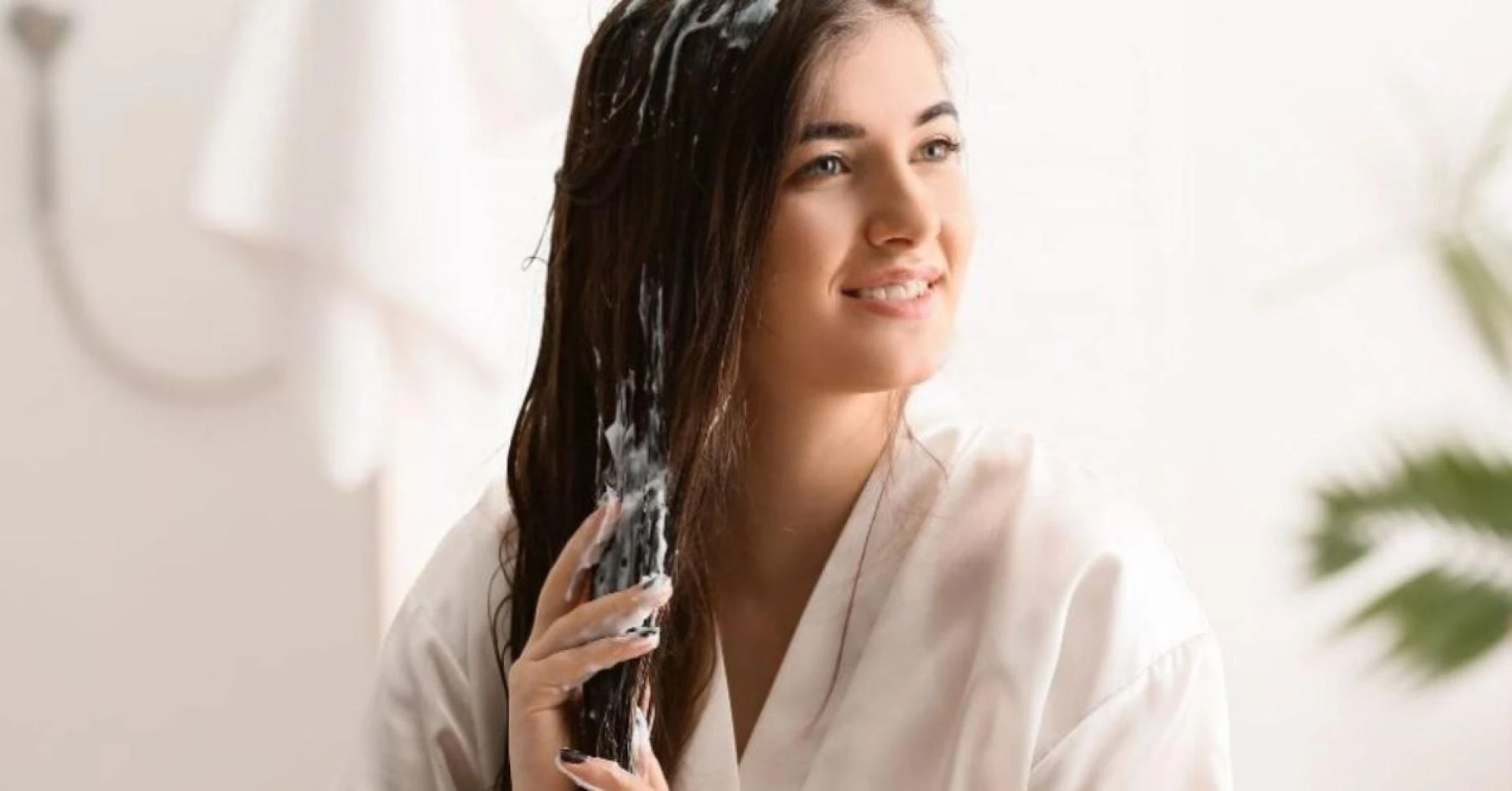
Despite its name, Hair Botox is not the same as injectable botulinum toxin used in medical or aesthetic procedures. It is generally a conditioning and hair-smoothing treatment designed to improve the appearance, texture, and manageability of damaged or frizzy hair.
If you are interested in understanding this treatment in greater detail, you can explore “Hair Botox Treatment: Benefits, Cost & Everything You Need to Know.”
Hair Botox may make hair appear smoother, shinier, and fuller, but it should not be confused with a medical treatment for androgenetic alopecia or permanent hair restoration.
5. PDRN and Regenerative Aesthetic Treatments
PDRN, or polydeoxyribonucleotide, has attracted significant interest in regenerative aesthetic medicine. While it is more widely discussed for skin rejuvenation, regenerative approaches involving growth factors and tissue-supporting mechanisms are also being researched and explored in hair and scalp treatments.
For readers interested in understanding the science behind PDRN-based aesthetic treatments, “What is PDRN? How PDRN Skin Booster Improves Skin Quality” provides useful background on how PDRN skin boosters are used to support skin quality and regeneration.
However, PDRN skin treatments and hair restoration therapies should not be considered interchangeable. The appropriate treatment depends on the patient's specific concern and should be selected following professional evaluation.
6. Low-Level Laser Therapy
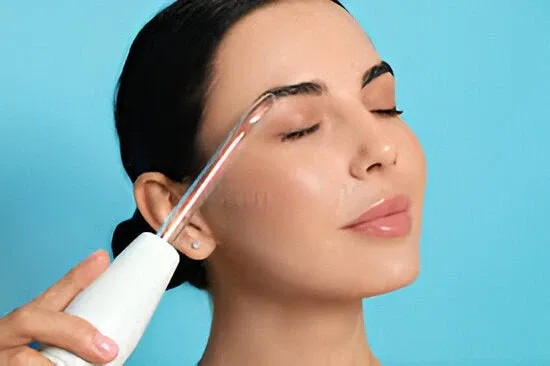
Low-level laser therapy (LLLT), also referred to as photobiomodulation, is a non-invasive approach that uses specific wavelengths of light to stimulate biological activity in the scalp.
It may be considered as part of a comprehensive hair-loss management plan, particularly for certain cases of pattern hair loss. Results tend to be gradual, and consistent treatment is usually necessary.
LLLT may also be combined with other therapies when recommended by a qualified professional.
7. Hair Transplantation
When hair follicles have been permanently lost, and sufficient donor hair is available, a hair transplant can provide a long-term restoration option.
Modern hair transplantation primarily involves harvesting healthy follicles from a donor area and placing them into areas affected by hair loss. Two commonly discussed techniques are FUE (Follicular Unit Extraction) and FUT (Follicular Unit Transplantation).
FUE involves extracting individual follicular units, while FUT involves removing a strip of scalp containing hair follicles before separating the follicles for transplantation.
The right method depends on factors such as donor density, hair-loss pattern, scalp characteristics, desired density, previous procedures, and the patient's expectations.
For a deeper understanding of the procedure, outcomes, and available techniques, read “Hair Transplant in India: How Effective Is It and Which Method Should You Choose?”
Choosing the Right Hair Restoration Treatment
One of the biggest mistakes people make is choosing a treatment based solely on advertisements, celebrity endorsements, or someone else's results.
Hair restoration should always begin with diagnosis. A person with temporary hair shedding caused by nutritional deficiency may not need a transplant, while someone with advanced genetic hair loss may not achieve sufficient restoration from topical products alone.
During a consultation, a dermatologist may assess:
- Pattern and severity of hair loss
- Hair shaft thickness and density
- Scalp health
- Family history
- Lifestyle and nutritional factors
- Hormonal or medical conditions
- Previous hair treatments
- Donor-area availability in transplant candidates
This evaluation helps create a personalized treatment plan rather than applying a one-size-fits-all approach.
How to Improve Hair Restoration Results
Treatment is only one part of maintaining healthy hair. Supporting your overall hair and scalp health can also be important.
Maintain a balanced diet containing adequate protein, iron, vitamins, minerals, and other essential nutrients. Avoid crash diets and excessive heat or chemical treatments. Handle wet hair gently, maintain good scalp hygiene, manage stress, and prioritize adequate sleep.
Most importantly, seek professional advice if hair loss is sudden, severe, accompanied by scalp symptoms, or progressing rapidly.
Final Thoughts
There is no single best hair loss treatment in India for everyone. From medications and PRP to advanced regenerative therapies, laser-based approaches, and hair transplantation, today's treatment options can address different stages and causes of hair loss.
The most effective strategy is to identify the underlying problem early and choose treatment based on medical evaluation, hair-loss severity, donor availability, and realistic expectations. Early intervention can often make a significant difference because preserving existing healthy follicles is generally easier than restoring follicles that have already been permanently lost.
If you are experiencing persistent thinning or excessive hair fall, consulting an experienced dermatologist can help you understand the cause and determine the most suitable path toward healthier, fuller-looking hair.

















Sign in to leave a comment.