


Losing hair changes more than your reflection — it changes how confident you feel walking into a room. That's why so many people now look into a hair transplant in Bangkok, a city that's quietly become one of Asia's go-to spots for hair restoration. But before you book a flight and a consultation, there's more to think about than flashy discounts or a clinic's location on a map. The surgeon's skill, the technique used, the quality of your donor hair, and how well you follow aftercare instructions all play a bigger role in your results than price ever will.
So, What Exactly Is a Hair Transplant?
At its core, a hair transplant is a surgical procedure where healthy follicles are taken from a donor area — usually the back or sides of the scalp — and moved to spots where hair has thinned or disappeared. These relocated follicles tend to resist further hair loss and keep growing naturally over time. That said, no two heads are the same. Your surgeon will look at how much hair you've lost, your scalp condition, donor supply, age, and even how your hair loss might progress in the future before mapping out a plan that actually fits you.
Why People Keep Choosing Bangkok for Hair Restoration
Bangkok's reputation in cosmetic surgery didn't happen by accident, and hair transplant clinics have become a major part of that reputation. Walk through the city's medical districts and you'll find no shortage of clinics promising modern techniques, expert consultations, and treatment plans built around your specific needs. Still, if you're hunting for the best hair transplant in Bangkok, don't get distracted by bundled discounts or too-good-to-be-true packages. What actually matters is the surgeon behind the procedure — their training, their track record, and the real results they've delivered for past patients.
The Techniques Bangkok Clinics Rely On
FUE (Follicular Unit Extraction)
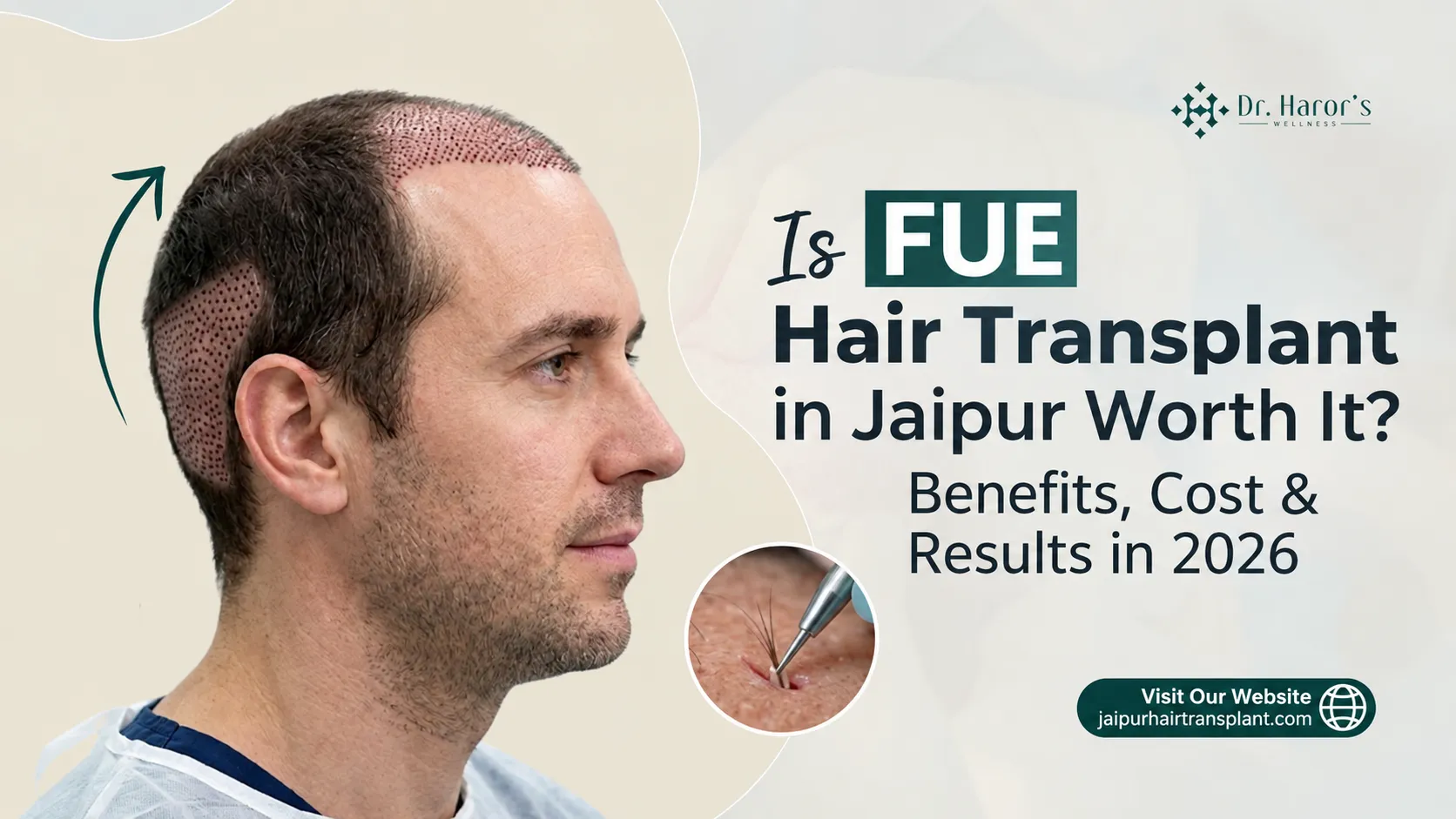
With FUE, individual follicular units are extracted one at a time from the donor area and implanted where needed. Because there's no strip removal involved, patients are left with tiny extraction points instead of a visible linear scar.
FUT (Follicular Unit Transplantation)
FUT takes a different route — a thin strip of scalp containing hair follicles is removed, then carefully divided into individual grafts before transplantation. For patients who need a larger number of grafts, FUT is sometimes the more practical option.
Sapphire FUE and Other Refined Methods
Certain clinics have taken FUE a step further with tools like sapphire blades, which are used to create more precise recipient sites. Others focus on refining graft placement, hairline design, or overall implantation efficiency. Newer isn't automatically better — the right technique really comes down to your individual case.
How the Procedure Actually Unfolds
- Consultation first. Your surgeon examines your scalp, donor area, and hair loss pattern, then builds a treatment plan around your goals.
- Local anesthesia on procedure day keeps discomfort to a minimum throughout.
- Graft extraction happens carefully, using whichever technique was agreed upon beforehand.
- Sorting and preparation — grafts are organized and readied based on the planned hairline and density.
- Precise placement — this is where skill really shows. The angle, direction, and distribution of each follicle has to blend seamlessly with your natural hair growth pattern.
What You Stand to Gain
A well-executed hair transplant in Bangkok can offer:
- Results that look natural — grafts placed correctly blend right into your existing hair.
- Long-lasting restoration — transplanted follicles can keep producing hair for years.
- A better-designed hairline — shaped around your face and age rather than a one-size-fits-all template.
- Total styling freedom — once healed, you can cut, wash, and style your hair as you please.
- Less dependence on temporary fixes — for many people, it becomes a lasting alternative to concealers and topical treatments.
Keep in mind, though — results vary from person to person, largely based on donor quality, extent of hair loss, technique, and how well aftercare is followed.
Recovery: What Happens and When
| Timeline | What to Expect |
| First few days | Redness, mild swelling, tenderness, and small scabs around treated areas |
| 1–2 weeks | Scalp begins healing; specific washing and activity guidelines apply |
| 2–8 weeks | "Shock loss" (shedding of transplanted hair) is common and not a sign of failure |
| 3–4 months | Early new growth appears, often fine in texture at first |
| 6–9 months | Density and coverage steadily improve as follicles enter active growth |
| 9–12+ months | Full results emerge, with continued thickening over time |
Picking the Right Clinic
Don't let advertising do the deciding for you. Dig into the surgeon's credentials, ask to see real before-and-after photos, and don't hesitate to ask pointed questions about the process itself. A clinic worth trusting will offer a genuine one-on-one consultation — evaluating your donor area honestly, discussing realistic outcomes, and never overselling with promises of thousands of grafts. It's also worth asking exactly what's included in the cost breakdown so there are no surprises later.
Final Thoughts
Finding the best hair transplant in Bangkok isn't about chasing the lowest price tag — it's about making an informed choice. When the surgeon, technique, and aftercare all line up, the results speak for themselves. Take time to research your options and set realistic expectations from the start. If you're exploring hair restoration, Dr. Haror's Wellness offers a personalized approach, with specialists who evaluate your unique hair loss pattern and guide you toward the right treatment plan.
























Sign in to leave a comment.