

Pallet scales are essential weighing equipment for Australian warehouses, distribution centres, manufacturing facilities and logistics businesses that handle palletised goods. They help businesses measure pallet loads accurately, manage inventory, verify dispatch weights and improve warehouse efficiency. Choosing the right pallet weighing scale can also help reduce manual handling, minimise weighing errors and support compliance with relevant Australian weighing requirements.
Whether you manage a small warehouse or a large distribution operation, understanding how pallet scales work and which features matter can help you select the right weighing solution for your business.
What Is a Pallet Scale?
A pallet scale is a weighing device designed to measure the weight of goods loaded onto a pallet. Depending on the design, it may weigh an entire pallet using a low-profile platform, fork-style weighing equipment or a pallet jack with an integrated weighing system.
Unlike standard floor scales, pallet weighing equipment is designed to accommodate heavy, bulky loads commonly moved using forklifts or pallet jacks.
Pallet scales are widely used for weighing cartons, packaged products, raw materials, components and finished goods before storage, processing or dispatch.
How Do Pallet Scales Work?
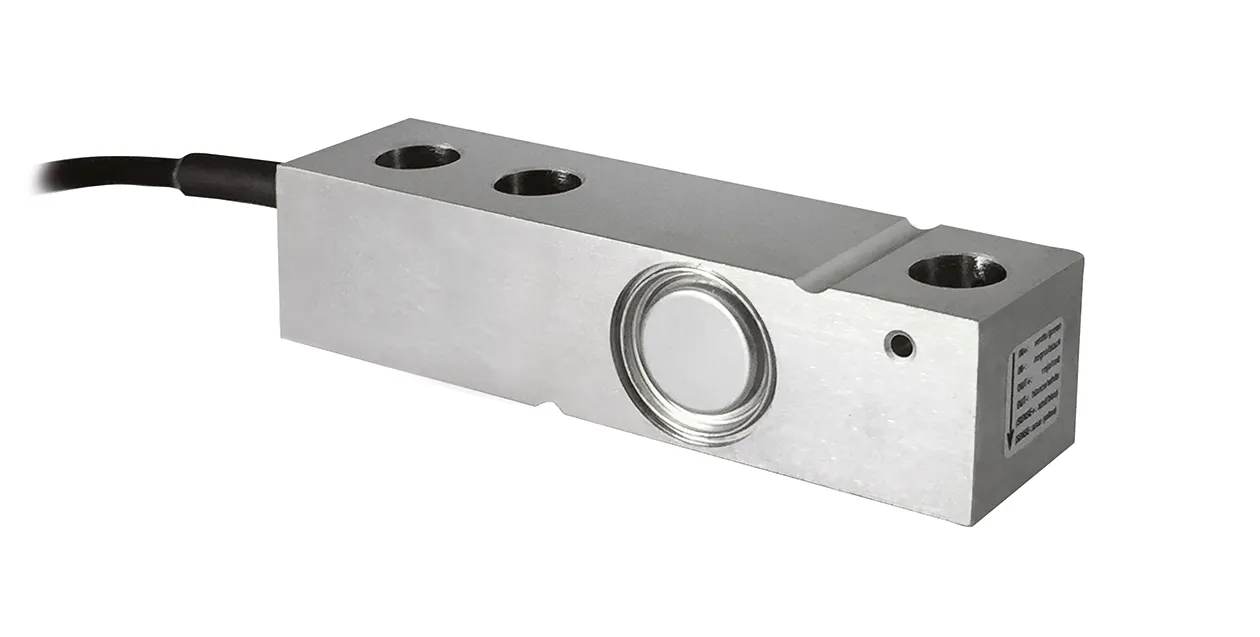
Most pallet scales use load cells to convert the force exerted by a load into an electrical signal. The indicator processes this signal and displays the measured weight.
The weighing process typically involves placing the pallet load onto the scale, allowing the reading to stabilise and recording the displayed weight.
Depending on the model, additional functions may include:
- Tare weighing: Subtracts the weight of an empty pallet or container to determine the net weight of the goods.
- Gross and net weight display: Helps operators distinguish between the total load and the product weight.
- Weight accumulation: Combines multiple readings to calculate a total.
- Data connectivity: Transfers weighing results to computers, warehouse management systems or other compatible equipment.
- Check weighing: Helps determine whether a load falls within specified weight limits.
These functions can simplify warehouse workflows and support more consistent weighing procedures.
Types of Pallet Scales for Warehouses
Different warehouse operations require different weighing solutions. The best option depends on load capacity, available space, handling equipment and weighing frequency.
1. Pallet Jack Scales
Pallet jack scales combine a pallet jack with an integrated weighing system. Operators can lift, move and weigh palletised goods using a single piece of equipment.
These scales are useful in warehouses where loads need to be weighed at multiple locations rather than transported to a fixed weighing station.
Best for: Busy warehouses, distribution centres and dispatch areas where mobility and workflow efficiency are priorities.
2. Low-Profile Pallet Scales
Low-profile pallet scales feature a platform designed to accommodate palletised loads. Their low loading height can make them easier to use with suitable pallet-handling equipment.
Depending on the design, access ramps or other loading arrangements may be required.
Best for: Warehouses with designated weighing stations, goods-in areas and production facilities that weigh palletised materials regularly.
3. U-Shape Pallet Scales
U-shape pallet scales feature an open-centre platform designed to accommodate compatible pallet jacks. This design allows operators to position the equipment around the pallet load without requiring a conventional solid platform.
They can be practical where space efficiency and straightforward loading are important.
Best for: Warehouses that regularly weigh palletised goods and need a scale that can be positioned conveniently within existing workflows.
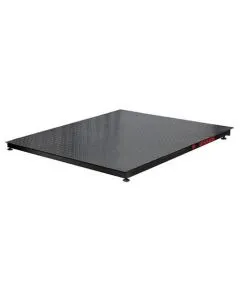
4. Floor Scales for Heavy Pallet Loads
Industrial floor scales provide a platform for weighing heavier palletised loads, containers and other bulky items. Depending on the model, they may offer higher capacities, durable construction and integration with industrial weighing indicators.
Best for: Manufacturing facilities, heavy-duty warehouses and operations handling large or dense materials.
When comparing floor scales and dedicated pallet scales, consider how loads will be positioned, whether forklifts are involved and how much space is available around the weighing area.
Key Features to Consider When Choosing a Pallet Weighing Scale
Selecting the right pallet scale involves more than comparing prices. The following factors can help you identify equipment suited to your operational requirements.
1. Weighing Capacity
Start by determining the maximum weight of your typical pallet loads. Consider the combined weight of the pallet, packaging and goods, along with the heaviest loads your warehouse expects to handle.
Common industrial weighing capacities vary by model, so confirm that the selected scale can accommodate your maximum gross load safely.
Avoid choosing a scale based only on average pallet weight. Allow for heavier loads and future operational requirements.
2. Readability and Accuracy
Readability refers to the smallest weight increment displayed by the scale. Accuracy describes how closely the measurement reflects the actual weight under specified conditions.
A scale with finer readability is not automatically more accurate in every application. The required performance depends on the product, weighing process and consequences of measurement errors.
For inventory control, dispatch verification or manufacturing, select equipment with suitable weighing performance for the task.
3. Platform Dimensions and Pallet Compatibility
Check the dimensions of your pallets and the space required to position them safely on the weighing platform.
Consider whether your warehouse handles standard Australian pallets, larger industrial pallets, crates or irregular loads. The platform must accommodate the load without unsafe overhang or unstable positioning.
Also confirm compatibility with forklifts, pallet jacks and any ramps or loading equipment used in your facility.
4. Construction and Durability
Warehouse weighing equipment may be exposed to dust, moisture, impacts and frequent loading. Look for robust construction and suitable protection for the working environment.
For washdown areas, food processing facilities or outdoor applications, check the manufacturer's specifications for ingress protection, corrosion resistance and environmental suitability.
Routine cleaning and maintenance requirements should also be considered.
5. Weighing Indicators and Connectivity
A clear, easy-to-read weighing indicator helps operators record results efficiently. Depending on your requirements, useful features may include tare functions, check weighing, programmable limits and data output.
If your business uses inventory software or a warehouse management system, check whether the scale supports the required communication interfaces and whether additional hardware or software is needed.
Compatible connectivity can help reduce manual data entry and improve traceability.
Benefits of Pallet Scales in Australian Warehouses
Investing in appropriate pallet weighing equipment can improve several aspects of warehouse operations.
- Improved productivity: Weigh palletised goods closer to where they are handled, reducing unnecessary movement.
- Better inventory control: Record product weights to support stock management and operational reporting.
- Dispatch verification: Check pallet weights before shipment to help identify discrepancies.
- Reduced manual handling: Choose weighing equipment that works with existing pallet-handling processes.
- More consistent records: Digital indicators and compatible data systems can reduce transcription errors.
- Operational cost control: Reliable weight measurements can help identify discrepancies, minimise rework and improve resource planning.
Actual benefits depend on the equipment selected, how it is implemented and the warehouse's existing procedures.
Australian Compliance Considerations for Pallet Scales
Australian businesses should understand whether their weighing equipment is used for general internal operations or for trade measurement.
If a pallet scale is used to determine the price of goods by weight or for another regulated trade measurement purpose, applicable requirements under Australian measurement legislation may apply. Depending on the application, businesses may need suitable approved equipment, verification and ongoing compliance procedures.
The National Measurement Institute (NMI) administers Australia's trade measurement framework. Businesses should confirm the relevant requirements for their intended use before purchasing a scale.
For internal stock control, production monitoring or general warehouse management, requirements may differ from those applying to trade measurement. However, maintaining appropriate calibration, testing and service records remains important for reliable operations.
Do not assume that every industrial pallet scale is automatically approved for trade use. Confirm the model's suitability and any applicable obligations with the supplier or NMI.
Maintenance Tips for Pallet Weighing Scales
Regular maintenance helps maintain reliable performance and extend equipment life.
- Keep the platform and load cells free from accumulated dirt and debris.
- Position the scale on a stable, suitable surface.
- Avoid impacts, overloading and uneven load placement.
- Check that the displayed weight returns to zero when the platform is unloaded.
- Arrange periodic testing or calibration based on usage, risk and manufacturer recommendations.
- Inspect cables, indicators, ramps and moving components where applicable.
- Contact a qualified service provider if readings become inconsistent or the equipment shows signs of damage.
Record maintenance and testing activities to support internal quality procedures and operational accountability.
How to Choose the Right Pallet Scale for Your Warehouse
Before purchasing a pallet scale, assess your warehouse's actual weighing requirements.
Ask these questions:
- What are the minimum, typical and maximum pallet weights?
- How frequently will pallets be weighed?
- Will weighing occur at a fixed station or across multiple warehouse locations?
- Which pallet types and handling equipment are used?
- Is connection to inventory or warehouse management software required?
- Will the scale be used for trade measurement?
- What servicing, calibration and technical support are available?
Compare shortlisted models against these requirements rather than choosing solely on price or maximum capacity. A suitable scale should integrate smoothly into your workflow while providing the weighing performance your application requires.
Frequently Asked Questions About Pallet Scales
What is the difference between a pallet scale and a floor scale?
A pallet scale is designed specifically for weighing palletised loads, often using a low-profile platform, U-shaped frame or integrated pallet jack. A floor scale is a broader category of industrial weighing equipment that may also accommodate pallets, containers and other heavy objects.
What capacity pallet scale does a warehouse need?
The required capacity depends on the heaviest expected gross load, including the pallet and packaging. Confirm the scale's rated capacity and suitability for your specific loading conditions before purchasing.
Can pallet scales connect to warehouse management systems?
Some pallet scales support data output or integration with warehouse management systems. Compatibility depends on the indicator, communication interface, software and any additional integration requirements.
Do pallet scales need calibration in Australia?
Calibration and testing requirements depend on the application, equipment and relevant procedures. For trade measurement, additional legal requirements may apply. Confirm the appropriate arrangements with the supplier and relevant authorities.
Are pallet jack scales suitable for small warehouses?
Yes. Pallet jack scales can suit smaller warehouses that need to move and weigh pallets without installing a permanent weighing station, provided the equipment meets their capacity, accuracy and handling requirements.
Find the Right Pallet Weighing Solution
Choosing the right pallet scale can help Australian warehouses improve weighing efficiency, support inventory accuracy and streamline dispatch operations. By considering capacity, readability, construction, connectivity and compliance requirements, businesses can invest in equipment that meets their operational needs.
Before making a decision, compare suitable pallet scales and seek advice from an experienced weighing equipment supplier. The right solution will depend on your loads, warehouse layout, handling processes and intended use.
















Sign in to leave a comment.