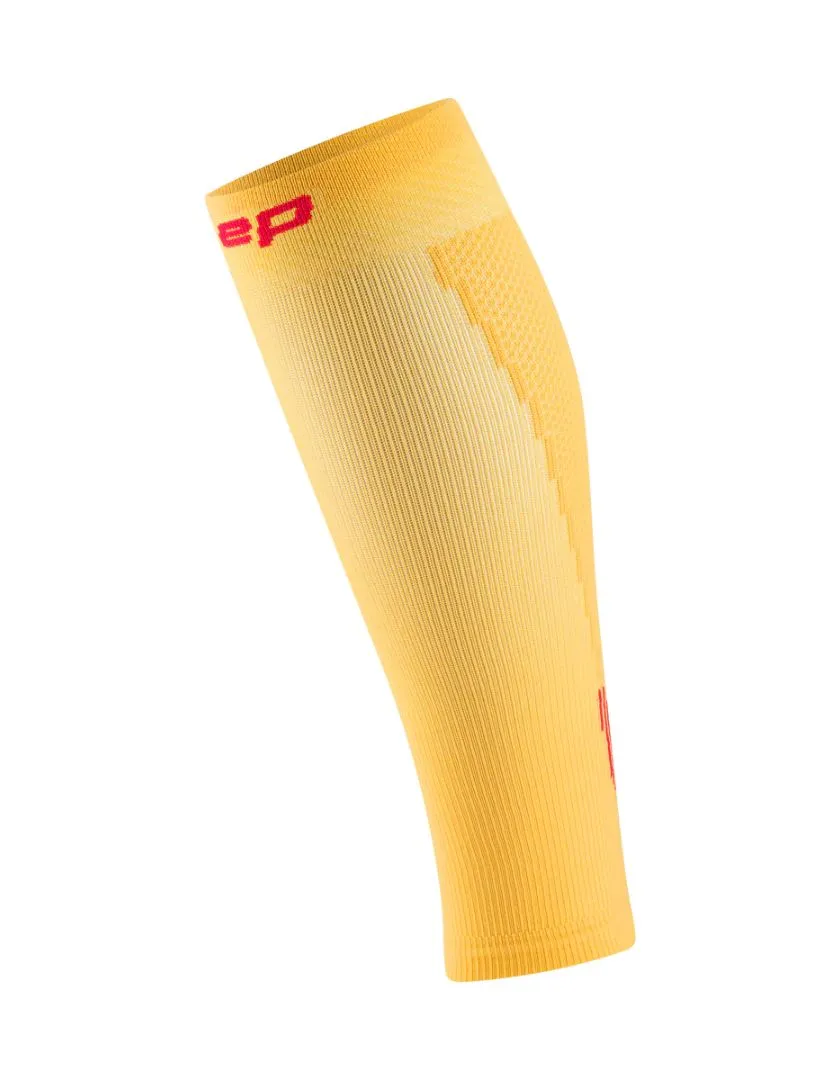

Learn how compression calf sleeves for women support running, reduce muscle vibration, improve comfort, and provide a secure fit during exercise.
Running can put a lot of stress on your lower legs. Your calves work with every step, whether you are running a short distance, training for a race, cycling, or doing a hard gym session. As your workout gets longer, your calves may start to feel tired, tight, or heavy.
That is where compression calf sleeves for women can help. They wrap closely around the lower leg and provide controlled pressure from the ankle toward the calf. CEP's women's calf sleeves use 20–30 mmHg graduated compression and are designed for activities such as running, cycling, CrossFit, and other workouts.
A good calf sleeve should feel firm without feeling painful. It should stay in place when you move, manage sweat, and give your calf muscles steady support. This guide explains what calf compression sleeves do, when to wear them, how to choose the right size, and what women should know before adding them to their training gear.
What Are Compression Calf Sleeves for Women?
Compression calf sleeves for women are close-fitting fabric sleeves worn over the lower leg. They normally cover the area from above the ankle to just below the knee while leaving the foot uncovered.
Unlike ordinary leg warmers, compression sleeves apply measured pressure to the calf. Some athletic sleeves use graduated compression, which means pressure changes across different parts of the lower leg.
CEP calf sleeves use 20–30 mmHg compression. The brand describes the design as targeted compression from the ankle through the calf.
Women may wear calf sleeves during activities such as:
- Running and jogging
- Trail running
- Cycling
- Gym training
- CrossFit
- Walking
- Hiking
- Sports that involve repeated running
A calf sleeve also gives you more freedom with footwear than a full compression sock. You can pair the sleeve with the running socks you already prefer.
That can be useful if you like thin socks for racing, cushioned socks for long runs, or different sock heights for different shoes.
How Compression Calf Sleeves for Women Work
Compression calf sleeves for women apply pressure around the lower leg while you move. This pressure can support the calf area and limit some of the movement of soft tissue caused by repeated foot strikes.
CEP says its 20–30 mmHg compression is designed to support circulation and reduce muscle vibration.
Muscle vibration happens every time your foot hits the ground. During a long run, those repeated impacts happen thousands of times. A fitted calf sleeve can give the lower leg a more supported feeling during that repeated movement.
Research on compression garments does not show that calf sleeves automatically make every runner faster. One study of trail runners found that calf compression changed some biomechanical measures but did not produce a clear performance improvement.
That distinction matters. Compression gear should be seen as supportive sportswear rather than a shortcut to better race times.
For many runners, the main value is the way the lower legs feel during activity.
Benefits of Compression Calf Sleeves for Women
Women often choose calf compression sleeves because they want more support without changing their shoes or running socks.
Several benefits make compression calf sleeves for women useful for active lifestyles.
- Focused calf support: The close fit gives the lower leg a secure feeling during repetitive movement.
- Reduced muscle vibration: Compression can limit some soft-tissue movement as your foot strikes the ground. CEP specifically designs its calf sleeves for this purpose.
- Support for circulation: Graduated compression applies controlled pressure around the lower leg. CEP's sports sleeves use 20–30 mmHg compression.
- Flexible sock choice: Because your feet stay uncovered, you can continue wearing your preferred running socks.
- Useful across activities: The same sleeves can work for running, cycling, CrossFit, and other workouts.
- Extra calf coverage: Sleeves provide another fabric layer over the lower leg during outdoor exercise.
The experience can vary from person to person. Some athletes enjoy the firm feeling immediately, while others need time to become comfortable with compression.
The most important factor is getting the correct size.
Why Women Runners Use Compression Calf Sleeves
Running repeatedly loads your calf muscles. The calves help push your body forward, control ankle movement, and absorb force every time your feet contact the ground.
That workload can become more noticeable during long runs, hill sessions, interval training, or races.
Compression calf sleeves for women provide consistent pressure around the calf while leaving the ankle and foot free to move naturally.
Women may find them especially useful during:
Long Runs
Long-distance sessions expose the legs to thousands of repeated impacts. A supportive calf sleeve can help the lower leg feel contained as fatigue builds.
Hill Training
Both climbing and descending place strong demands on the calf muscles. Compression can give the lower leg a firm, supported feel throughout the workout.
Speed Sessions
Intervals and tempo runs increase force and turnover. A close-fitting sleeve can reduce unwanted fabric movement and provide focused calf support.
Trail Running
Uneven surfaces constantly change how the ankle and calf respond. Some runners prefer additional lower-leg support when covering technical ground.
Compression should not replace strength work, suitable shoes, proper training, hydration, rest, or medical care when pain is present.
How to Choose Compression Calf Sleeves for Women
The best compression calf sleeves for women should match your calf size, activity, and comfort needs.
Start with fit rather than colour or appearance.
Measure Your Calf Carefully
Compression garments work differently from ordinary clothing. Buying a larger size simply because you normally wear a certain clothing size can lead to poor compression.
CEP advises users to measure according to its product size chart because proper sizing is important for both comfort and performance.
Measure the widest part of your calf and follow the size guide for the specific sleeve you are considering.
Do not guess.
Check the Compression Level
Compression is commonly measured in millimetres of mercury, written as mmHg.
CEP's sports calf sleeves use 20–30 mmHg compression.
A sleeve should feel clearly snug. However, tightness alone does not mean the product fits correctly.
Look for Moisture Management
Running creates heat and sweat around the lower leg. The fabric needs to manage moisture without becoming heavy or uncomfortable.
CEP's Run Compression Calf Sleeves 4.0 use Smart Dry Extreme Air Technology, which the company says helps the fabric respond to changing weather conditions and manage comfort during warmer and cooler conditions.
Check the Upper and Lower Bands
A good sleeve should remain in position without rolling down or digging sharply into your skin.
Movement during running can expose a poor fit quickly. If you need to pull the sleeve up every few minutes, the sizing or construction may not suit your leg.
How Compression Calf Sleeves for Women Should Fit
Compression calf sleeves for women should feel firm from the moment you put them on.
Firm does not mean painful.
You should be able to walk, run, bend your knee, and move your ankle normally.
A properly fitted sleeve should:
- Sit smoothly against your skin
- Stay below the knee crease
- Avoid large wrinkles or folds
- Stay in place during movement
- Feel supportive around the calf
- Allow normal ankle and knee movement
A sleeve that is too loose may not provide the intended level of compression.
A sleeve that is excessively tight can create discomfort, numbness, tingling, unusual skin colour changes, or pain. If that happens, remove it.
Correct sizing matters because compression pressure depends partly on the garment and the shape and size of the leg. Research into lower-leg compression shows that both garment properties and leg dimensions influence the pressure produced.

When to Wear Compression Calf Sleeves for Women
The most common time to wear compression calf sleeves for women is during physical activity.
CEP's own guidance says sleeves are intended for active use. The company's FAQ separates sleeves from full compression socks and specifically advises using sleeves while active rather than on a plane.
You might wear them for:
Running sessions, races, cycling workouts, hiking, gym sessions, functional training, or other activities that put repeated demand on the lower legs.
Put them on before your workout so they are correctly positioned before your legs become sweaty.
Check that the material is smooth and that no part of the sleeve has folded over itself.
If you need compression for a medical condition, significant swelling, travel, circulation concerns, or recovery from surgery, speak with a healthcare professional instead of assuming a sports calf sleeve is appropriate.
Compression Calf Sleeves for Women vs Compression Socks
Calf sleeves and compression socks look similar, but they serve slightly different practical needs.
Compression calf sleeves for women cover the calf but leave the foot exposed. Compression socks cover the foot as well as the lower leg.
A sleeve can be useful when you want:
Your own running socks, different levels of foot cushioning, a specific sock fabric, easier shoe fitting, or focused calf coverage.
A full compression sock can make more sense when compression is also needed around the foot and ankle.
This difference becomes important if swelling is involved. Medical experts have noted that footless sleeves may not be suitable for people trying to manage lower-leg swelling because leaving the foot uncovered can sometimes create issues with fluid distribution.
For healthy athletes using compression during exercise, calf sleeves mainly offer flexibility and targeted lower-leg support.
How to Care for Compression Calf Sleeves for Women
Proper care helps compression calf sleeves for women keep their shape and elasticity.
Compression garments rely on stretchy fibres to provide consistent pressure. Poor washing habits can damage those fibres over time.
Follow the product care label first.
In general, good habits include washing sleeves after sweaty sessions, using gentle washing methods, avoiding unnecessary high heat, and letting the material dry fully before wearing it again.
Do not keep using a sleeve simply because it still looks fine.
If the fabric becomes loose, stretched, damaged, or unable to stay in position, it may no longer provide the same level of compression.
Rotate between two pairs if you wear calf sleeves several times each week. That gives each pair time to dry and recover between training sessions.
Frequently Asked Questions
Are compression calf sleeves good for running?
They can be useful for runners who prefer firm lower-leg support. Compression may support circulation and reduce muscle vibration, although research does not show that sleeves automatically improve running speed or endurance.
What do compression calf sleeves do?
Compression calf sleeves apply controlled pressure around the lower leg. Sports sleeves are designed to support the calf, reduce muscle movement during exercise, and provide a secure feeling while running or training.
How tight should compression calf sleeves be?
They should feel snug and supportive without causing pain, numbness, tingling, or major restriction. Always use the manufacturer's calf measurement and size chart rather than choosing based only on your normal clothing size.
Can I wear compression calf sleeves all day?
Wear time depends on the product and why you are using it. CEP recommends its calf sleeves mainly while active. If you need long-term or medical compression, ask a healthcare professional whether a sleeve or full compression sock is more suitable.
Do calf compression sleeves help with shin splints?
Some runners use calf compression for additional lower-leg support when dealing with shin discomfort, and CEP markets its calf sleeves partly for helping relieve shin splint symptoms. However, persistent shin pain should be assessed rather than covered up with compression gear.
Can you wear calf compression sleeves every time you run?
Healthy runners can use properly fitted sports calf sleeves during regular workouts if they remain comfortable. Stop wearing them if you develop pain, numbness, tingling, skin changes, or unusual swelling.
Conclusion
Compression calf sleeves for women can be a useful addition to running and training gear when you want focused support around the lower leg. Their close fit can reduce muscle vibration, provide a secure feeling during repeated movement, and let you keep wearing your preferred running socks.
The key is choosing the correct size and using the sleeves for the right purpose. Measure your calf carefully, follow the product size guide, and make sure the sleeve feels firm without becoming painful.
For running, cycling, CrossFit, hiking, or other active workouts, a well-fitted calf sleeve can make lower-leg support simple without covering your feet. It should complement good training, recovery, footwear, and strength work rather than replace them.

























Sign in to leave a comment.