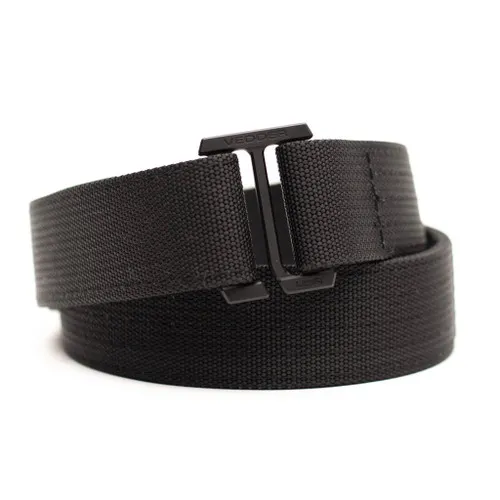

Choosing a concealed carry setup involves more than selecting a firearm and holster. The belt supporting that setup can influence stability, comfort, fit, and how naturally the equipment integrates with everyday clothing.
A concealed carry gun belt is designed specifically for this role. Unlike a conventional belt, it is built to provide additional support for a holster and the equipment attached to it.
But with different materials, adjustment systems, widths, and styles available, how do you determine which belt is right for your needs?
This guide explains the most important factors to consider before choosing one.
What Is a Concealed Carry Gun Belt?
A concealed carry gun belt is a purpose-built belt designed to support a concealed carry setup. Its construction typically provides more structure than an ordinary clothing belt.
The additional support can help keep the holster positioned consistently instead of allowing it to shift excessively under the weight of the equipment.
A good belt should also work with your clothing and holster attachment system. Since concealed carry is intended to remain discreet, many modern belts are designed to provide support without looking noticeably different from everyday belts.
Why Is a Dedicated Belt Important?
One of the most common mistakes when creating a concealed carry setup is treating the belt as an afterthought.
A regular belt may support trousers effectively but may not provide the rigidity needed for a holster and firearm. When additional weight is placed on the waistband, the belt can bend or sag.
This may affect both comfort and consistency.
A purpose-built concealed carry belt is designed around the demands of carrying additional equipment. Its construction can provide a stronger foundation for the holster while helping the wearer maintain a more consistent setup.
What Makes a Good Concealed Carry Gun Belt?
There is no single belt that is ideal for every person. Instead, consider several characteristics when comparing options.
Strength and Rigidity
The belt should have enough structure to support the intended carry equipment without excessive bending.
However, maximum stiffness is not necessarily the only consideration. The belt should still be practical and comfortable enough for normal daily activities.
Comfort
A concealed carry belt may be worn throughout the day, so comfort is essential.
Think about how the belt feels while sitting at a desk, driving, walking, standing, or performing routine activities.
A belt that feels comfortable for a short period may feel very different after several hours.
Adjustability
A precise fit can make a noticeable difference in everyday comfort.
Traditional belts use holes for adjustment, while some modern designs use ratcheting mechanisms or other adjustment systems.
Ratcheting designs can provide smaller increments of adjustment, which may be useful for people who want to fine-tune the fit.
Compatibility
Before purchasing a belt, check that its width and construction work with your holster.
This is especially important because holster clips and belt attachment systems are designed around specific dimensions.
A belt may be strong enough but still unsuitable if the attachment system is incompatible.
Leather vs. Nylon: Which Should You Consider?
Material is one of the biggest differences between concealed carry gun belts.
Leather
Leather gun belts can provide a traditional appearance that works well with jeans, business-casual clothing, and more formal outfits.
They are particularly attractive to people who want a carry belt that does not look noticeably different from a conventional leather belt.
A reinforced leather construction can add the structural support needed for everyday carry while retaining the familiar appearance of leather.
Nylon
Nylon belts tend to have a more modern and practical appearance. Reinforced nylon webbing can provide substantial support while remaining relatively lightweight.
For everyday carry users who prefer an EDC-oriented design, nylon can be a versatile option.
The best material ultimately depends on your wardrobe, comfort preferences, carry arrangement, and desired appearance.
Low-Profile Concealed Carry Belts
A concealed carry belt does not necessarily need to be thick or visually prominent.
Low-profile designs are increasingly useful for people who want their everyday carry equipment to integrate naturally into their clothing.
For example, the V3 Gun Belt from Vedder Holsters is designed around a low-profile EDC concept and uses dual-layer nylon webbing. The company also offers leather and ratcheting designs for different preferences.
A lower-profile design can be particularly appealing when clothing and concealment are important considerations.
How Does the Belt Work With an IWB Holster?
Inside-the-waistband, or IWB, holsters position the firearm inside the waistband. Because the holster and firearm are supported directly by the belt, belt construction becomes an important part of the overall setup.
A suitable belt should provide enough support for the holster attachment while remaining comfortable against the waist.
The combination of belt, holster, clothing, and carry position should be considered together rather than separately.
Vedder Holsters offers multiple IWB holster styles designed around different carry preferences, making belt compatibility an important consideration when building a complete setup.
What About OWB Carry?
Outside-the-waistband, or OWB, holsters place the holster outside the trousers.
This configuration can place additional demands on the belt because the equipment is positioned outside the waistband.
A supportive belt can help provide a stable foundation for the holster while also integrating with the wearer's clothing.
Whether using IWB or OWB equipment, it is important to follow the manufacturer's compatibility and safety recommendations.
How Should You Choose Your Belt Size?
Correct sizing is essential.
Do not automatically assume that your trouser size is identical to the appropriate gun belt size. Carry equipment can change how the belt sits around the waist, and manufacturers may use different sizing methods.
Always follow the sizing instructions provided with the specific belt.
For example, Vedder's current belt guidance recommends considering actual pant size and the fit of the belt with an everyday carry setup when determining the appropriate size.
Taking the time to measure correctly can help avoid unnecessary returns and improve everyday comfort.
What Should You Avoid?
When choosing a concealed carry gun belt, avoid focusing exclusively on appearance.
A stylish belt that lacks sufficient structure may not be suitable for supporting a carry setup.
At the same time, selecting an excessively rigid or bulky belt simply because it appears stronger may not result in a comfortable everyday experience.
Instead, consider the complete combination:
Support + Comfort + Compatibility + Adjustability + Appearance
The best choice is the one that appropriately matches your individual setup and daily requirements.
Consider Your Everyday Lifestyle
Your daily routine should influence your belt selection.
Someone who spends most of the day in an office may prefer a more traditional leather appearance. Someone who spends more time outdoors may prefer a durable nylon design.
If you frequently move between casual and formal environments, appearance and versatility may become more important.
Similarly, if you regularly change clothing styles, a belt with a relatively neutral design can provide greater flexibility.
A Concealed Carry Gun Belt Is Part of the System
A belt should not be considered an isolated accessory.
Your firearm, holster, belt, clothing, and carry position all interact. Changing one component can affect the overall fit and comfort of the setup.
That is why choosing a belt after selecting the holster—or at least confirming compatibility between the two—is a practical approach.
A well-matched system can provide a more consistent experience than simply combining individual products without considering how they work together.
Final Thoughts
A concealed carry gun belt provides the structural foundation for a carry setup. While it may look like a simple everyday accessory, its construction can make a meaningful difference in support, comfort, and stability.
When comparing options, look beyond appearance. Consider the material, stiffness, adjustability, belt width, holster compatibility, sizing, and the clothing you normally wear.
Leather can offer a classic appearance, while reinforced nylon can provide a practical everyday option. Ratcheting systems can offer precise adjustment, and low-profile designs can help integrate carry equipment into everyday clothing.
For those researching different options, Vedder Holsters' gun belt collection provides several designs intended for different everyday carry preferences.
As with any firearm-related equipment, users should follow applicable laws, manufacturer instructions, and responsible firearm-safety practices.




















Sign in to leave a comment.