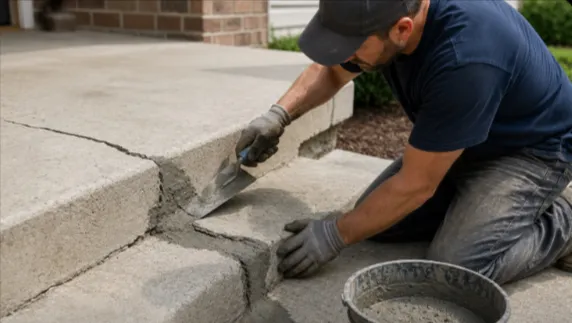

Concrete is a durable building material used for driveways, sidewalks, patios, foundations, and commercial surfaces. However, even the strongest concrete can develop cracks, uneven areas, and surface deterioration over time. Weather changes, moisture, soil movement, and everyday traffic all contribute to gradual wear. Understanding when repairs are needed helps you avoid larger structural concerns and unnecessary replacement costs.
Whether you own a residential or commercial property, recognizing early warning signs makes a significant difference. Investing in concrete repair in Marion, IA at the right time helps restore safety, improve appearance, and extend the lifespan of your concrete surfaces before minor issues become expensive problems. Commercial properties may also need to consider heavier traffic, loading areas, and the condition of concrete around entrances, parking areas, and walkways.
Why Concrete Damage Happens
Several environmental, structural, and material factors can affect concrete condition. Identifying the root cause allows repairs to last longer and prevents recurring problems.
Some of the most common causes include:
- Freeze-thaw cycles that expand existing cracks
- Water penetration beneath the slab
- Poor drainage around the property
- Soil settling or erosion
- Heavy vehicle traffic and repeated loading
- Aging concrete exposed to changing weather conditions
- Deicing salt exposure that can contribute to surface scaling and deterioration
Concrete specifications can also affect long-term performance, including appropriate PSI ratings, air entrainment for freeze-thaw exposure, and reinforcement such as rebar or wire mesh where required.
Addressing these issues early reduces the risk of widespread deterioration.
Common Signs Your Concrete Needs Repair
Many property owners overlook small imperfections until they become major hazards. Regular inspections help identify developing problems before they require complete replacement.
Watch for these warning signs:
Visible Cracks
Hairline cracks may seem harmless, but they often widen as water enters and temperatures fluctuate.
Uneven or Sunken Surfaces
Settling slabs create trip hazards and may indicate shifting soil beneath the concrete.
Surface Flaking or Scaling
When the top layer begins to peel or chip away, moisture damage or deicing salt exposure may be the underlying cause.
Pooling Water
Standing water after rainfall often points to improper grading or sinking concrete, increasing long-term damage.
Benefits of Professional Concrete Repair in Marion, IA
Repairing damaged concrete provides more than cosmetic improvements. It enhances safety, preserves structural integrity, and helps property owners avoid larger expenses.
Key advantages include:
- Improved walking and driving safety
- Extended lifespan of existing concrete
- Better drainage around structures
- Enhanced curb appeal
- Lower maintenance costs over time
- Prevention of further cracking and settlement
Timely repairs also help maintain property value by preventing visible deterioration.
Repair Methods Used for Different Types of Damage
The best repair approach depends on the condition of the concrete and the underlying cause of damage.
Common repair solutions include:
Crack Sealing
Flexible fillers prevent moisture from entering existing cracks while slowing additional expansion.
Surface Resurfacing
Damaged or worn concrete can receive a fresh overlay that restores appearance without complete replacement.
Slab Leveling
Sunken concrete sections can often be raised using specialized lifting techniques such as polyurethane foam injection and mudjacking, depending on the condition of the slab and underlying soil.
Joint Repair
Replacing damaged expansion joints allows concrete to move naturally while reducing future cracking.
Choosing the correct repair method ensures longer-lasting results.
Maintenance Tips to Extend Concrete Life
After repairs are completed, regular maintenance helps protect your investment.
Simple preventive measures include:
- Clean concrete surfaces regularly.
- Seal concrete when recommended.
- Keep gutters directing water away from slabs.
- Repair small cracks promptly.
- Avoid excessive weight on weakened sections.
- Monitor drainage after heavy rainfall.
Routine maintenance minimizes future repair needs and supports long-term durability.
Conclusion
Concrete damage rarely improves without attention. Small cracks, uneven slabs, and surface wear gradually become larger structural issues when ignored. Scheduling concrete repair in Marion, IA as soon as problems appear helps improve safety, maintain appearance, and extend the life of your property's concrete surfaces. By combining timely repairs with regular maintenance, you can protect your investment and reduce the likelihood of costly future replacements.



















Sign in to leave a comment.