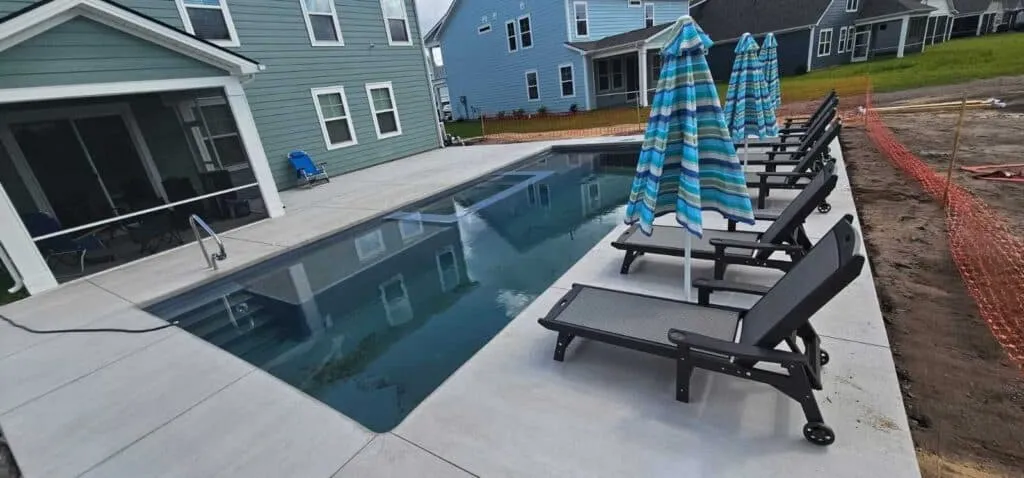

Creating a beautiful and functional pool area involves making thoughtful decisions about the surrounding surface. A pool deck influences comfort, safety, appearance, and long term maintenance. After selecting a fiberglass pool, many homeowners begin comparing pool deck options for fiberglass pools to determine which material best complements their outdoor space while meeting practical needs. Concrete and pavers remain two of the most popular choices because each offers distinct advantages that suit different budgets, design preferences, and maintenance expectations.
Understanding the Importance of a Pool Deck
A pool deck serves as more than a decorative border around a swimming pool. It provides a safe walking surface, creates space for outdoor furniture, and enhances the overall appearance of the backyard. Since fiberglass pools are known for their smooth finish and durability, choosing a compatible deck material helps maximize both visual appeal and functionality while supporting years of enjoyable outdoor living.
The ideal pool deck should offer slip resistance, withstand changing weather conditions, and require manageable maintenance throughout its lifespan. It should also complement the home's architectural style while providing enough flexibility for future landscaping or entertainment upgrades. Understanding these priorities helps homeowners make informed decisions before beginning construction or renovation projects around their fiberglass pool.
Why Fiberglass Pools Need the Right Deck Material
Structural Compatibility
Fiberglass pools naturally expand and contract slightly with changes in temperature and ground conditions. Selecting a deck material that accommodates these subtle movements helps reduce the risk of cracking or shifting over time. Both concrete and pavers can work well when properly installed, but each responds differently to environmental changes and installation techniques.
Proper installation plays an equally important role in long term performance. Adequate drainage, stable soil preparation, and quality craftsmanship ensure that the deck remains attractive and functional for many years. These considerations often influence whether concrete or pavers become the better choice for a particular property.
Safety and Comfort
Safety remains one of the highest priorities around any swimming pool. A quality pool deck should provide reliable traction even when wet, reducing the likelihood of slips and falls. Surface temperature also affects comfort during warm weather, especially for families with children who frequently walk barefoot around the pool area.
Both concrete and pavers offer slip resistant finishes, although different textures and colors can influence heat absorption. Homeowners should carefully compare these features to create a comfortable environment throughout the swimming season without sacrificing safety or appearance.
Concrete Pool Decks
Benefits of Concrete
Concrete continues to be one of the most widely selected pool deck materials because of its affordability and versatility. It allows homeowners to create clean, seamless surfaces that complement modern and traditional outdoor designs alike. Decorative techniques such as stamping, staining, and texturing provide numerous customization opportunities while maintaining a relatively straightforward installation process.
Concrete also supports large continuous surfaces without visible joints across every section. This creates a clean visual appearance that many homeowners appreciate, especially when designing contemporary outdoor entertainment areas. With proper sealing and maintenance, concrete decks can remain durable and visually appealing for many years.
Maintenance Requirements
Although concrete requires relatively little daily maintenance, periodic care helps preserve its appearance and structural integrity. Sealing the surface protects against moisture penetration, stains, and weather related wear. Routine cleaning removes dirt, leaves, and pool chemicals that may gradually affect the finish over time.
Small cracks may occasionally develop due to soil movement or seasonal temperature fluctuations. Prompt repairs help prevent additional damage while extending the overall lifespan of the deck. Consistent maintenance keeps concrete looking attractive while minimizing long term repair expenses.
Potential Drawbacks
Concrete offers many advantages, yet homeowners should also understand its limitations before making a final decision. Cracking remains one of the most common concerns, particularly in regions experiencing freeze and thaw cycles or unstable soil conditions. While proper installation reduces this risk, no concrete surface remains completely immune to natural movement.
Heat retention presents another consideration during warmer months. Darker concrete finishes may become noticeably hotter under direct sunlight compared to lighter colors. Choosing lighter shades or textured finishes can improve comfort while reducing surface temperatures around the fiberglass pool.
Paver Pool Decks
Advantages of Pavers
Pavers provide exceptional design flexibility by offering numerous colors, shapes, patterns, and textures. Homeowners can create unique outdoor environments that complement landscaping, patios, and architectural details with impressive visual appeal. Individual units also produce a refined appearance that enhances many backyard styles.
One significant advantage involves flexibility during ground movement. Because pavers consist of separate pieces rather than one continuous slab, they naturally adjust to slight soil shifts without developing large visible cracks. This flexibility often contributes to long lasting performance when installed on a properly prepared base.
Ease of Repairs
Repairing paver decks is generally simpler than repairing concrete surfaces. If individual pavers become stained, damaged, or uneven, they can often be removed and replaced without disturbing the surrounding area. This localized repair process helps maintain the deck's appearance while minimizing disruption and repair costs.
Routine maintenance typically includes sweeping, occasional washing, and replenishing joint sand when necessary. Applying protective sealers can further enhance color retention while helping resist stains and weather related wear. These maintenance practices support the deck's longevity and preserve its attractive appearance.
Possible Limitations
Despite their many strengths, pavers usually involve higher initial installation costs than standard concrete surfaces. The additional labor required for preparing the base and placing each individual unit contributes to the overall expense. Homeowners should carefully balance upfront investment with expected long term performance and maintenance benefits.
Weeds may occasionally appear between paver joints if maintenance is neglected. Ant activity and joint sand erosion can also occur over time. Fortunately, routine inspections and simple maintenance procedures usually address these concerns before they develop into larger problems affecting the deck's appearance.
Comparing Concrete and Pavers
Cost Considerations
Budget often plays an important role when selecting a pool deck material. Concrete generally offers lower installation costs, making it attractive for homeowners seeking an economical solution without sacrificing durability. Decorative finishes may increase expenses, yet concrete frequently remains the more affordable initial investment.
Pavers typically require a larger upfront budget due to material quality and labor intensive installation. However, lower repair costs and easier maintenance over many years may offset some of the initial expense. Evaluating both immediate and future costs provides a more complete financial comparison.
Durability and Longevity
Both materials deliver impressive durability when professionally installed and properly maintained. Concrete creates a strong, solid surface capable of supporting heavy outdoor furniture and frequent foot traffic. Routine sealing and timely repairs help maximize its lifespan while preserving visual appeal.
Pavers also demonstrate remarkable longevity because individual units distribute weight effectively while accommodating natural ground movement. Their ability to resist large scale cracking often contributes to excellent long term performance. Many homeowners appreciate this flexibility, particularly in areas where soil conditions frequently change throughout the year.
Design Flexibility
Concrete offers numerous decorative possibilities through coloring, stamping, and textured finishes. These options allow homeowners to mimic natural stone, brick, or tile while maintaining a continuous surface. Customization enables concrete decks to complement many different landscaping themes and architectural styles.
Pavers provide even greater design versatility because they combine multiple shapes, colors, and laying patterns. Creative arrangements produce distinctive outdoor environments that reflect individual preferences. Homeowners seeking highly personalized aesthetics often find pavers especially appealing for enhancing their fiberglass pool surroundings.
Factors to Consider Before Choosing
Climate significantly influences how each material performs over time. Regions with frequent freezing temperatures, heavy rainfall, or shifting soil conditions may affect long term durability differently for concrete and pavers. Understanding local environmental conditions helps homeowners select the most suitable material for their specific property and maintenance expectations.
Lifestyle also deserves careful consideration during the decision making process. Families who frequently entertain guests may prioritize appearance, comfort, and repair convenience, while others may focus primarily on affordability and straightforward maintenance. Matching the deck material with everyday usage patterns leads to greater long term satisfaction and improved overall value.
Professional installation remains essential regardless of the selected material. Proper excavation, drainage planning, base preparation, and finishing techniques determine how well the deck performs throughout its lifespan. Investing in skilled workmanship often prevents costly repairs while ensuring the finished outdoor space remains safe, attractive, and enjoyable for years.
Conclusion
Choosing between concrete and pavers ultimately depends on budget, design preferences, maintenance expectations, and local environmental conditions. Both materials provide attractive and durable solutions that pair well with fiberglass pools when installed correctly. Homeowners who carefully evaluate their priorities can confidently select the option that best supports their outdoor lifestyle while enhancing the beauty and functionality of their backyard retreat. For expert guidance and quality pool solutions, Allstar Pool Company LLC is committed to helping homeowners create exceptional outdoor spaces.


























Sign in to leave a comment.