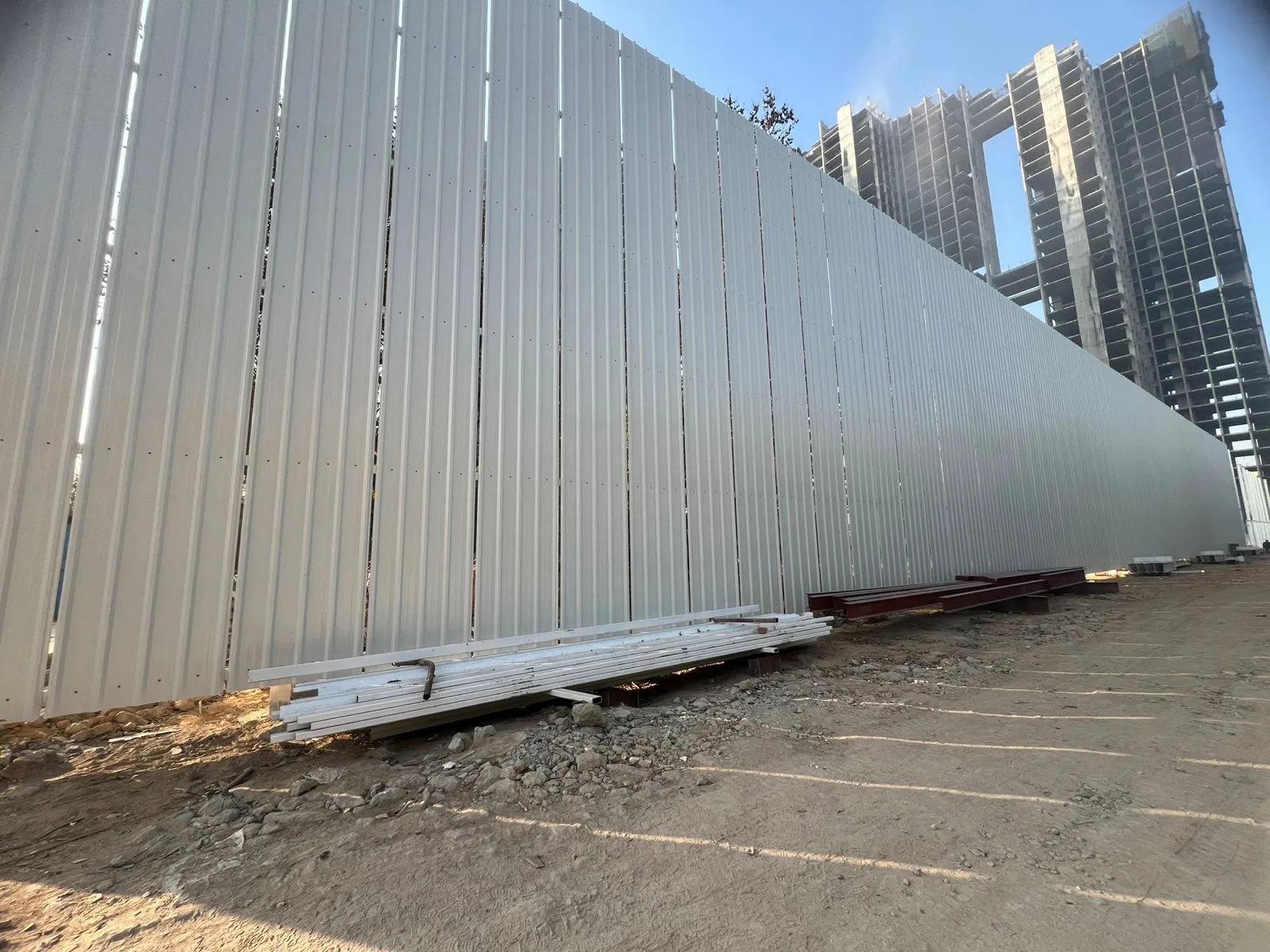

Construction site barricading is one of the first requirements contractors need to address before work begins. Whether it is a residential tower, a commercial complex, or a large infrastructure project, a well-planned barricading system helps separate construction activities from public areas, control site access, and meet applicable safety requirements.
However, barricading involves more than placing steel panels around a construction site. Contractors must consider the height, structural strength, installation method, accessibility and maintenance of the barricades. In cities such as Mumbai, where construction projects operate near busy roads and residential areas, these details become especially important.
A well-planned Construction Barricade Installation in India project requires coordination between contractors, engineers and barricading specialists. Here are ten essential points to consider before installing barricades at a construction site.
1. Check the Applicable Municipal Requirements
Before ordering materials or starting installation, contractors should identify the barricading requirements for their project.
Municipal authorities may specify barricade height, materials, structural design, colour coding and other conditions depending on the location and nature of the work. For example, the Brihanmumbai Municipal Corporation (BMC) has issued guidelines covering different types of barricades for infrastructure projects, which is why consulting a trusted Construction Barricade Installation in India is important.
Contractors should review the relevant municipal circulars, approved drawings, tender conditions and environmental requirements. The specifications for a major infrastructure project may differ considerably from those for a smaller construction site.
2. Determine the Required Barricade Height
Barricade height should be determined based on project specifications and applicable regulations.
A low barricade may be sufficient for certain temporary work areas, while large construction projects in urban locations may require considerably taller structures.
For instance, Insteel Engineers Limited offers 25 ft and 35 ft steel barricades for projects requiring substantial site coverage. The appropriate height depends on the project, location and applicable requirements.
Contractors should confirm the required height before fabrication begins. Changing the height after installation can increase costs and delay the project.
3. Choose the Right Barricading Material
The choice of material directly impacts the durability, stability and maintenance requirements of a barricading system.
Steel barricades are commonly considered for projects that require substantial perimeter coverage and a more permanent installation during construction. Their suitability depends on the structural design, material specifications and site conditions.
Contractors should evaluate the thickness of the steel sheets, supporting framework, connections and protective coating. The material must be appropriate for the intended duration and exposure conditions.
4. Assess the Site Layout and Perimeter
Every construction site has its own layout. Some have irregular boundaries, while others share space with public roads, neighbouring buildings or existing infrastructure.
Before installation, contractors should conduct a site inspection and identify the complete perimeter that needs barricading.
They should also account for entry and exit points, emergency access, material movement and areas where construction activities may affect pedestrians or traffic.
For larger sites, accurate measurements are particularly important. A detailed site layout helps determine the quantity of materials required and the positioning of supporting structures.
5. Ensure Structural Stability
A barricade must remain stable throughout the construction period. Its supporting framework, foundations and connections should be designed according to the installation conditions.
Contractors should consider wind loads, ground conditions, barricade height and the nature of the surrounding area. Tall barricades, in particular, require careful structural assessment.
The supporting structure should be installed according to approved engineering drawings. Improperly secured panels can become hazardous, especially during strong winds or adverse weather.
6. Plan Entry and Exit Points Carefully
Construction sites need controlled access for workers, machinery, delivery vehicles and visitors. However, access points should not compromise the continuity or security of the barricading system.
Contractors should identify suitable locations for vehicle gates, pedestrian entrances and emergency access. The positioning of these openings should account for traffic movement and the site's daily operations.
Gates should be designed to suit the expected movement of vehicles and materials. They should also be secured when not in use.
A well-planned access arrangement helps prevent unnecessary movement through restricted areas while allowing construction activities to continue smoothly.
7. Maintain Continuous Barricading
Gaps between barricades can expose pedestrians and nearby residents to construction hazards. They can also allow unauthorised access to the site.
Contractors should ensure that the barricading system forms a continuous perimeter wherever required. Individual panels must be properly connected and secured, particularly around corners, access points and areas exposed to movement or impact.
BMC guidelines emphasise the importance of secure and continuous barricading for protecting pedestrians, road users and nearby residents. Contractors working in Mumbai should pay particular attention to the requirements applicable to their projects.
Regular site inspections can help identify displaced panels, damaged connections and gaps that develop during construction.
8. Consider Visibility, Signage and Branding
Barricades also communicate important information to people passing by the construction site.
Depending on the project requirements, contractors may need to display project details, safety instructions, warning signs and other relevant information.
Where barricades are installed beside roads or pedestrian routes, visibility is particularly important. Reflective elements and suitable lighting may be required to make barricades more noticeable in low-light conditions.
For commercial and residential developments, branded barricading can also provide an opportunity to display project information and branding. However, any advertising or printed material must comply with the applicable municipal requirements.
9. Plan for Maintenance and Weather Conditions
Barricades remain exposed to weather, dust, construction activity and occasional physical impact throughout the project.
Contractors should establish a maintenance schedule to inspect the panels, supporting structures, connections and protective coatings.
Monsoon conditions require particular attention in Mumbai and other regions that experience heavy rainfall. Water accumulation, soil movement and strong winds can affect the stability of temporary structures.
Damaged panels should be repaired or changed quickly. Contractors should also inspect barricades after severe weather and make sure that loose components are secured.
Maintenance should be included in the project plan rather than treated as an occasional requirement.
10. Select an Experienced Barricading Installation Partner
The Construction Barricade Installation plays an important role in the quality and timely completion of a barricading project.
Contractors should assess whether the supplier can handle the project's scale, provide suitable engineering support and coordinate fabrication with on-site installation.
For large developments, working with separate vendors for design, fabrication and installation can create coordination challenges. An integrated service provider can simplify communication and help maintain consistency across the project.
Insteel Engineers Limited provides barricading solutions for developers and EPC contractors, including design, fabrication, installation and cloth covering. Its capabilities include large sites ranging from 1 to 10 acres, with 25 ft and 35 ft steel barricades designed to meet applicable requirements.
Choosing a partner with the necessary project experience can help contractors manage the installation process more effectively.
Final Checklist Before Starting Barricade Installation
Before beginning installation, contractors should confirm that the project team has addressed the following:
- Applicable municipal and project-specific requirements
- Required barricade height and material specifications
- Site measurements and perimeter layout
- Structural design and stability
- Vehicle and pedestrian access arrangements
- Continuous coverage and secure connections
- Required signage, visibility and branding
- Maintenance and weather-related inspections
- Installation schedule and coordination
- Supplier experience and execution capacity
Planning Barricading Before Construction Begins
Barricading decisions made at the beginning of a project can influence site safety, execution schedules and compliance throughout construction. Contractors who assess these requirements early are better positioned to plan material procurement, installation and maintenance without unnecessary disruption.
For large developments, Construction Barricade Installation in India requires coordination between engineering, fabrication and on-site execution. Working with an experienced installation partner can help contractors address these requirements while keeping the project organised.
Insteel Engineers Limited offers an integrated approach to barricading, covering design, fabrication and installation. For contractors managing large construction sites, planning these requirements before execution begins can make barricading easier to manage throughout the project.



















Sign in to leave a comment.