

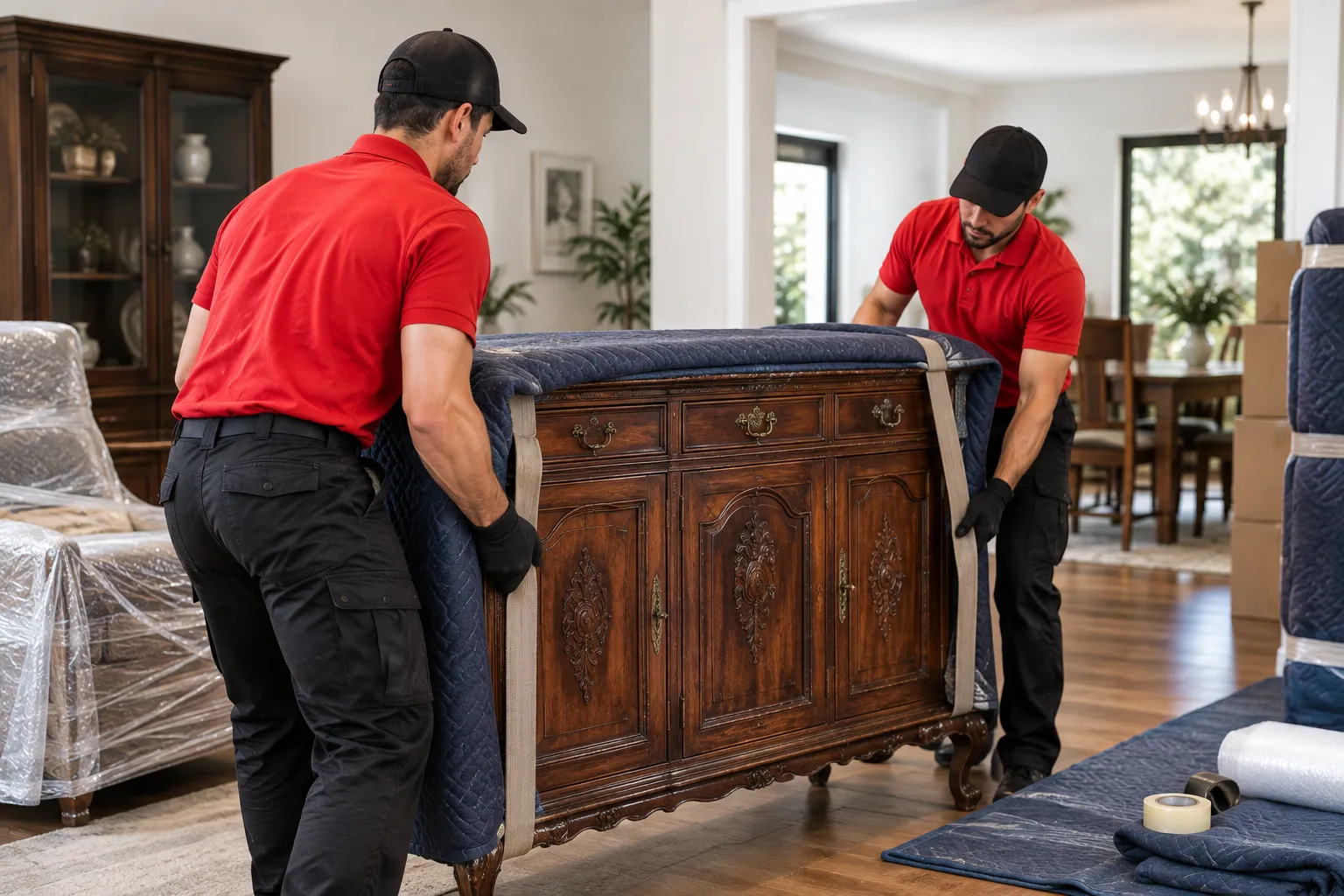
Antique furniture and heavy household items require more planning than ordinary boxes and lightweight belongings. A solid timber cabinet, antique dining table, marble-top piece, large wardrobe, piano, or oversized appliance can be difficult to lift and transport safely. Without proper preparation, surfaces can develop scratches, corners can become chipped, glass can crack, and delicate joints can loosen during handling.
For homeowners preparing for a relocation, choosing experienced Corinda Removalists and preparing valuable or heavy belongings correctly can significantly reduce avoidable damage. The right approach involves more than simply placing an item into a moving truck. Furniture needs to be assessed, protected, carried through the property carefully, secured during transportation, and unloaded with equal attention.
Start by Assessing Each Item
Before moving antique or heavy furniture, consider its size, weight, construction, condition, and the route it needs to take from the property.
Antique furniture may have delicate legs, decorative carvings, glass panels, veneers, handles, or older joints that require additional care. Heavy items can create different challenges because their weight makes them difficult to control when turning corners, navigating stairs, or passing through narrow doorways.
Make a list of items that require special attention before moving day. This may include:
- Antique cabinets and wardrobes
- Large dining tables
- Marble or stone furniture
- Pianos
- Pool tables
- Heavy appliances
- Large sofas
- Solid timber furniture
- Fragile display cabinets
- Oversized office furniture
Sharing this information with the moving team in advance allows the job to be planned around the belongings that need the most attention.
Measure the Moving Route
One of the simplest ways to prevent damage is to check the route before lifting the furniture.
Measure doorways, hallways, stairways, gates, and other restricted areas where large items need to pass. Also consider whether furniture will need to be turned or tilted to move through particular spaces.
An item may fit through a doorway in one position but not another. Planning the route beforehand can prevent last-minute movement through tight spaces, which could damage the furniture or surrounding walls.
For apartment or office moves, check lift dimensions and building access requirements as well. If a lift is unavailable or unsuitable for a large item, an alternative route may need to be considered.
Protect Surfaces Before Moving
Antique furniture can be particularly vulnerable to scratches and marks. Protective materials should be used according to the type and condition of the item.
Corners and exposed edges should receive particular attention because they can come into contact with door frames, walls, floors, or other furniture during handling.
For suitable pieces, protective wrapping can help reduce surface contact and protect against minor impacts. Glass components should receive additional attention, while loose decorative elements should be secured where appropriate.
The objective is not simply to wrap an item; it is to protect the areas most likely to experience contact during lifting, carrying, loading, and unloading.
Disassemble What Can Be Safely Disassembled
Large furniture does not always need to be moved as one complete unit. Where appropriate, removing detachable components can make an item easier and safer to transport.
Shelves, removable legs, drawers, doors, and other suitable components may be separated before transportation. However, antique furniture requires particular caution because older construction methods and delicate joints may not tolerate unnecessary disassembly.
Professional furniture assembly and disassembly services can be useful when a large item needs to be taken apart and reconstructed at its destination.
Keep screws, fittings, handles, and other small components together in labelled bags. This prevents important pieces from becoming separated during the move.
Take Extra Care With Heavy Items
Heavy furniture creates risks not only for the item itself but also for floors, walls, door frames, and the people handling it.
Trying to move a heavy object without sufficient assistance can result in uncontrolled movement. This is especially problematic when navigating stairs, tight corners, or uneven surfaces.
Expert Movers provides heavy-item moving assistance as part of its broader moving services. Heavy belongings can therefore be considered as part of the overall relocation plan rather than treated like ordinary boxes.
For particularly large pieces, discuss the item beforehand so the appropriate approach can be considered for the pickup and delivery locations.
Keep Antique Furniture Stable During Transport
Once furniture is loaded, it needs to remain secure throughout transportation. Movement inside the vehicle can cause items to shift, rub against one another, or experience unnecessary pressure.
Furniture should be positioned and secured appropriately so that it remains stable during the journey. Heavy pieces should not be allowed to move freely, while fragile components should be protected from contact with other belongings.
This is especially important when several types of furniture are transported together. A heavy cabinet shifting against a delicate antique table could cause avoidable damage.
Pay Attention to Glass and Decorative Details
Antique furniture often contains details that are more fragile than the main structure. Glass doors, mirrors, decorative panels, handles, carvings, and ornamental features may require separate protection.
Do not assume that because the main furniture frame is strong, every part of the piece is equally durable. Before moving the item, identify its most vulnerable components and make sure they are adequately protected.
If an item contains removable glass or delicate panels, discuss the safest handling approach before moving day.
Avoid Dragging Furniture Across Floors
Dragging heavy furniture may appear easier than lifting it, but it can damage both the furniture and the floor underneath.
Timber, tiled, polished, or other finished flooring can be scratched when heavy objects are dragged across the surface. Furniture legs can also become damaged or weakened.
A controlled lifting and carrying approach is generally more appropriate for heavy and valuable furniture. Where specialised moving equipment is needed, it should be used carefully and according to the item's size and construction.
Plan for Pianos, Pool Tables and Other Specialist Items
Some belongings require more than standard furniture handling. Pianos and pool tables, for example, can be extremely heavy and difficult to manoeuvre because of their size, weight distribution, and construction.
Expert Movers provides piano and pool-table removal services in addition to general furniture and heavy-item moving. These services are particularly relevant when a relocation includes belongings that cannot be handled in the same way as ordinary household furniture.
Discuss specialist items before the move so their size, access requirements, and handling considerations can be incorporated into the moving plan.
Prepare the Destination Before Unloading
Damage prevention should continue after the furniture reaches the new property.
Before unloading begins, identify where large and valuable items need to go. Clear pathways and remove unnecessary obstacles from rooms where heavy furniture will be positioned.
If an antique cabinet needs to go into a particular room, having the destination ready means the item does not need to be moved repeatedly after unloading.
Furniture should be positioned carefully rather than rushed into place. Taking a little extra time at this stage can help prevent scratches, impacts, and unnecessary repositioning.
Why Professional Moving Assistance Can Help
Moving antique furniture and heavy belongings requires coordination between packing, lifting, transportation, and unloading. Attempting to manage everything without suitable assistance can make a complicated move more difficult.
Expert Movers offers a range of services that can support different moving requirements, including house and office removals, furniture and single-item moves, heavy-item moving, packing and unpacking, piano and pool-table removals, furniture assembly and disassembly, storage, two-men-and-a-truck services, and man-with-a-van options.
For a move involving valuable antiques and heavy furniture, the most suitable combination of services depends on the items being transported and the conditions at both properties.
A Practical Damage-Prevention Checklist
Before moving antique furniture or heavy items, check the following:
- Measure doorways, hallways, stairs, and other access points.
- Identify furniture that requires special handling.
- Protect vulnerable corners, surfaces, and decorative elements.
- Remove suitable detachable components where necessary.
- Keep fittings and screws in clearly labelled bags.
- Prepare a safe route through the property.
- Keep floors and pathways clear.
- Tell the moving team about particularly heavy or fragile items.
- Secure furniture appropriately during transportation.
- Prepare the destination rooms before unloading.
- Check furniture after delivery and before final placement.
Conclusion
Antique furniture and heavy belongings deserve careful planning from the moment they are prepared for removal until they are positioned in their new location. Measuring access points, protecting vulnerable surfaces, using appropriate handling methods, securing furniture during transportation, and preparing the destination can all help reduce the risk of scratches, cracks, and other damage. For Corinda relocations involving heavy furniture, antiques, pianos, pool tables, or other challenging items, Expert Movers provides moving services that can be tailored to the practical requirements of the job.






















Sign in to leave a comment.