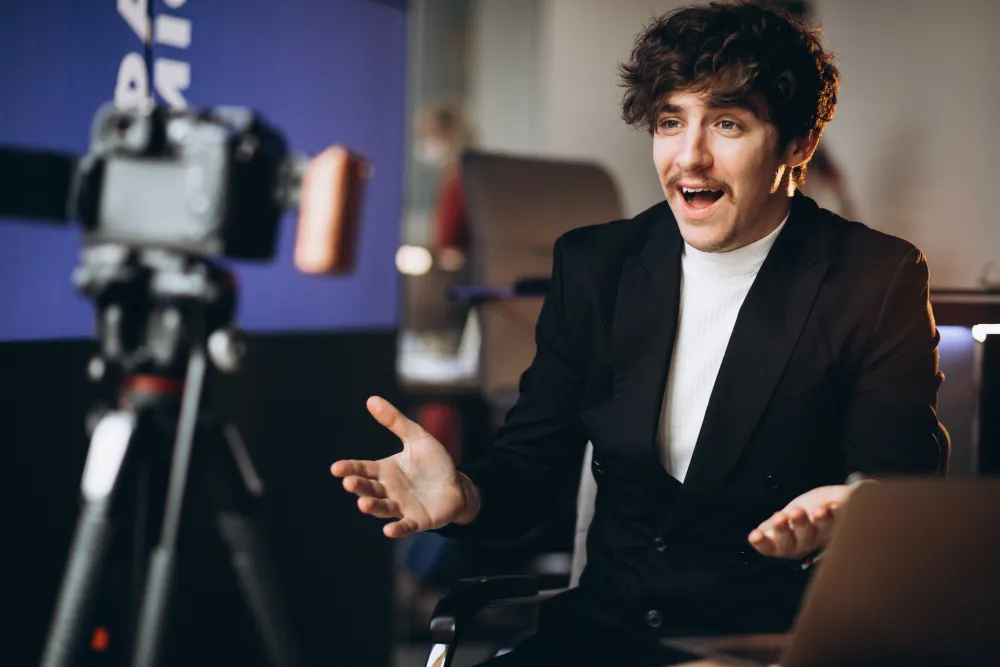

Have you ever wondered what makes a corporate video shoot run smoothly from the first camera setup to the final take?
It’s not just about having the right equipment; it’s about having the right plan. From defining the story and scouting locations to preparing the team and managing the schedule, professional planning turns a busy shoot day into a focused, creative, and successful production.
In this blog post, we’ll explore how professionals plan a corporate video shoot and keep it organised while leaving room for creativity, ensuring every shot supports the brand’s message and delivers a polished final video.
Professional Tips for a Smooth And Successful Corporate Video Shoot
1. Start With a Clear Video Objective
Before discussing cameras or locations, professionals first ask a simple question: What should this video achieve?
A corporate video might be created to introduce a company, promote a service, attract employees, explain a process, or strengthen brand credibility. The objective influences everything that follows, including the script, visuals, tone, and distribution strategy.
For example, a recruitment video should highlight workplace culture and employee experiences. A product-focused corporate film, meanwhile, may need demonstrations and detailed visuals.
A clear objective keeps the production focused rather than trying to say everything at once.
2. Develop the Concept and Script
Once the goal is established, the creative direction comes together. This may involve a written script, interview questions, storyboard, or detailed shot list.
Professional teams don't necessarily script every word. For interview-led videos, they may prepare talking points instead. This allows the speaker to sound natural while ensuring the important information isn't missed.
Good planning should establish:
- The central message
- Key talking points
- Visual style
- Tone and brand personality
- Required shots and B-roll
- Expected video length
A simple story structure can make a major difference: introduce the problem, present the solution, and finish with the outcome or desired action.
3. Choose the Right Location
Location isn't just a backdrop. It contributes to the story.
For a corporate video, filming inside the company's actual workplace can make the content feel more authentic. However, professionals need to consider lighting, background noise, available space, employee movement, and the location's expected level of activity during filming.
A quick location check before the shoot can reveal problems that might otherwise cause delays.
Before confirming a location, check:
- Natural and artificial lighting
- Ambient noise
- Power availability
- Space for equipment
- Parking and access
- Permissions and privacy requirements
Sometimes, a small adjustment, such as moving an interview away from a noisy reception area, can dramatically improve the final footage.
4. Plan the Production Schedule
Time is one of the biggest considerations during a corporate video shoot. A professional schedule ensures the crew knows what needs to happen and when.
The production team may divide the day into sections for interviews, workplace footage, product demonstrations, staff interactions, and additional B-roll.
It's also wise to build some flexibility into the schedule because people run late, locations get busy, and equipment occasionally needs adjustment. A realistic schedule leaves breathing room for these situations.
5. Prepare People for the Camera
Not everyone feels comfortable being filmed. That's completely normal.
Professional crews help interviewees prepare without making them sound overly rehearsed. They may explain where to look, how to answer questions, and how to maintain a relaxed posture.
A short conversation before filming can help someone settle their nerves.
For example, rather than asking an employee to memorise a paragraph, the director might ask them to explain their experience in their own words. The result usually feels more genuine.
6. Plan Equipment and Technical Requirements
The equipment should support the story rather than distract from it.
Depending on the project, a production team may need cameras, lenses, lighting, microphones, tripods, stabilisers, teleprompters, or specialist equipment.
Sound deserves particular attention. Viewers may forgive a slightly imperfect visual, but unclear dialogue can quickly make a corporate video difficult to watch.
Professionals therefore consider:
- Primary and backup audio
- Lighting requirements
- Camera positions
- Power and battery needs
- Memory cards and storage
- Backup equipment
This preparation helps reduce technical surprises on the day.
7. Capture More Than the Main Interview
A common mistake is focusing only on the primary speaker. While interviews can carry the message, B-roll gives the editor visual material to build a stronger story.
During a corporate shoot, useful B-roll could include employees collaborating, products in use, customer interactions, machinery operating, meetings, or everyday workplace activities.
These shots can also hide edits and maintain viewer interest.
8. Leave Time for Review and Retakes
Even with excellent preparation, some shots won't work the first time perfectly. Perhaps someone stumbles over an answer, a phone rings during an interview, or a background element becomes distracting.
That's why professional crews allow time for retakes and quick checks.
Reviewing footage during the shoot can also prevent an unpleasant discovery during editing. It's much easier to reshoot something immediately than to organise another production day later.
Final Words
A professional corporate video shoot is built on preparation, communication, and attention to detail. When the objective, people, locations, schedule, equipment, and creative direction are properly planned, the production day runs more smoothly, and the final video is far more effective.
Ready to create a corporate video that represents your business professionally? Partner with Origin Films today!
We specialize in video production services in Toronto, including promotional films, branded content, testimonials, and corporate video tailored to your goals.
Disclaimer: This content is for informational purposes only and is written by a professional content writer. Contact us to learn more about professional video production services.


























Sign in to leave a comment.