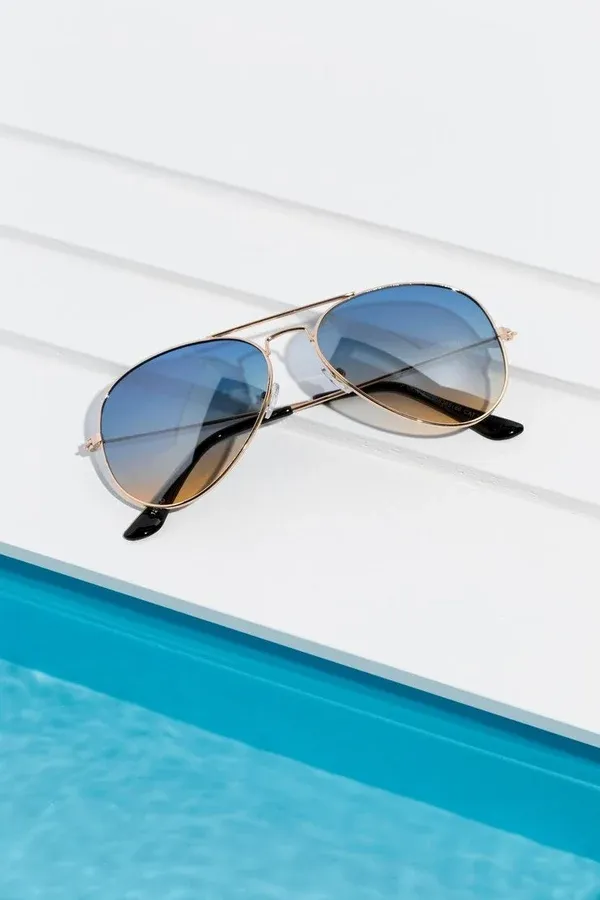

Choosing the right pair of glasses is about more than getting a prescription that helps you see clearly. For many people, everyday eyewear also needs to be comfortable, practical, stylish, and flexible enough to handle changing situations. You may spend part of the day indoors, step outside into bright sunlight, drive somewhere, return indoors, and repeat the process several times. Changing between different pairs of glasses every time can quickly become inconvenient.
That is one reason modern eyewear designs have focused on making glasses more adaptable. One example is prescription glasses with magnetic frames, which combine corrective eyewear with a removable magnetic attachment. Depending on the design, the additional front piece may provide tinted lenses for outdoor use or offer another useful lens option.
The basic idea is surprisingly straightforward. Instead of carrying separate glasses for every situation, one main pair can work with an interchangeable front attachment. Small magnets help the pieces line up and stay together, allowing the wearer to change the setup when needed.
But are these glasses actually useful for everyday life? What should you look for before buying a pair? And how do you know whether the design is suitable for your prescription and lifestyle?
Let's take a closer look.
What Are Magnetic Frames?
A magnetic eyewear system generally consists of two parts: a main frame and a removable front attachment.
The main frame holds your prescription lenses. These lenses are responsible for correcting your vision according to the prescription provided by your eye-care professional.
The second component is designed to attach to the front of that frame. It may contain tinted lenses that make the glasses suitable for brighter outdoor conditions. Small magnets or magnetic connection points are built into the system so the two parts can meet and stay aligned.
Think of it like a removable cover that fits onto a phone. The phone itself remains unchanged, but the cover can be added or removed depending on what you need. Magnetic eyewear follows a similar principle.
The important point is that the magnets are mainly there to connect the components. They do not correct your eyesight, change your prescription, or make the lenses themselves more powerful.
How Does the Magnetic Connection Work?
The technology behind these frames is easier to understand than it may initially sound.
Imagine placing two small magnets near each other. When their compatible sides face one another, they naturally pull together. Eyewear manufacturers use this basic property to create connection points between the primary frame and the removable lens attachment.
When you bring the front piece close to the frame, the magnetic points help guide it toward the correct position. Once aligned, the attachment stays in place during normal use.
Different manufacturers use different designs. Some place magnets directly within the front of the frame and matching points in the removable lens piece. Other systems use different methods of creating the connection. The exact arrangement depends on the eyewear design.
This is why compatibility matters. A random magnetic attachment should not be expected to fit every frame. The frame and attachment need to be designed to work together.
Why Do People Choose This Type of Eyewear?
The biggest attraction is convenience.
Suppose you leave home wearing your regular prescription glasses. A few minutes later, you are outside in strong sunlight. With a compatible magnetic system, you can add the appropriate tinted front piece instead of carrying a second complete pair of prescription sunglasses.
When you return indoors, you can remove the attachment and continue using your regular clear lenses.
That simple change can be useful for people who frequently move between different environments.
Fewer Things to Carry
Carrying two pairs of glasses can take up extra space in a bag or require another protective case. A removable attachment can reduce the amount of eyewear you need to carry.
This can be particularly convenient when travelling. Instead of packing several complete pairs for ordinary vision and outdoor use, you may be able to use one main frame with interchangeable components.
Quick Changes
Traditional clip-on accessories may require more effort to attach correctly. Magnetic designs are intended to make the process quicker.
Once you become familiar with your particular frame, attaching the front piece can become a simple part of your routine.
A Cleaner Appearance
Older clip-on designs sometimes use visible hooks, clips, or gripping mechanisms. These can make the attachment look like an accessory placed on top of the glasses.
A well-designed magnetic system can have a more integrated appearance because the connection points are relatively discreet.
Of course, appearance varies considerably between products. Frame shape, lens size, materials, and attachment design all influence how the finished eyewear looks.
The Importance of the Prescription Lens
The magnetic feature should not distract from the most important purpose of prescription eyewear: providing clear and comfortable vision.
Your prescription lenses need to match your current vision requirements. Depending on your prescription, you may need lenses designed for nearsightedness, farsightedness, astigmatism, or other vision needs.
The American Academy of Ophthalmology notes that different lens materials and designs have different characteristics, including differences in thickness, weight, and optical performance.
This means you should not choose a frame simply because its magnetic system looks convenient. The frame should also be suitable for your prescription and comfortable enough for regular wear.
If your prescription has changed recently, it is sensible to have your eyes checked and make sure your new lenses are properly measured.
Sun Protection Still Matters
If the removable attachment is intended for outdoor use, pay close attention to its UV protection.
A dark lens is not automatically a high-quality protective lens. Lens color and UV protection are separate characteristics.
The American Academy of Ophthalmology recommends sunglasses that block 99% to 100% of UVA and UVB radiation.
This is an important detail when comparing different products. Instead of assuming that a darker tint means better protection, look for clear information about the lens's UV-blocking performance.
MedlinePlus likewise recommends regularly using sunglasses that block at least 99% of UV rays because the eyes can be exposed to damaging sunlight throughout the year.
In other words, think beyond appearance. A stylish tinted attachment is useful, but appropriate UV protection is more important.
Are Magnetic Glasses Safe?
For most people, the small magnets used in ordinary magnetic eyewear are not considered a major safety concern. The magnetic fields involved are very small compared with much stronger magnetic environments such as those used in MRI machines. Experts interviewed by Verywell Health have described snap-on magnetic eyewear as generally safe for ordinary use.
However, that does not mean every person should ignore individual circumstances.
If you have a medical device or another specific reason to be concerned about magnets, speak with your doctor or the device manufacturer before using magnetic eyewear.
For typical consumers, the more practical concerns are usually fit, durability, lens quality, prescription accuracy, and UV protection rather than the magnets themselves.
What Should You Look for When Buying a Pair?
There are several things worth checking before placing an order.
1. Frame Compatibility
The removable attachment needs to match the main frame correctly.
A poor fit can result in movement, uneven alignment, or difficulty attaching the front piece. Look for a system specifically designed for the frame rather than assuming that different brands will be interchangeable.
2. Lens Quality
Your prescription lenses should be made according to your current prescription and appropriate for your needs.
If you are buying an outdoor attachment, examine the lens specifications as well. Look for clearly stated information about UV protection and, where relevant, polarization or other lens features.
3. Comfort
A pair of glasses may look excellent online but feel different when worn.
Consider the weight, nose fit, temple fit, frame width, and overall balance. Glasses that constantly slide down your nose or press against your temples are unlikely to become your favorite pair, regardless of how clever the magnetic mechanism is.
4. Attachment Stability
The front piece should remain properly aligned during ordinary activities.
Try to understand how the attachment connects and whether replacement pieces are available. A good system should be easy to attach without making you nervous that the piece will fall away during normal movement.
5. Ease of Removal
The connection needs to work in both directions.
A strong attachment is useful, but you should still be able to remove it without excessive force. The ideal experience is simple: bring it close, let it align, and remove it when you no longer need it.
Everyday Situations Where They Can Be Useful
This type of eyewear can make sense in several common situations.
Moving Between Indoors and Outdoors
Imagine walking from an office into bright sunshine. You do not necessarily want to replace your entire pair of glasses. A removable tinted attachment can make the transition more convenient.
Driving
Drivers often encounter changing lighting conditions during the same trip. A sunny road can become shaded, and bright outdoor conditions can change throughout the journey.
A suitable sun attachment can be convenient when moving between different environments. However, drivers should always choose lenses appropriate for safe driving and avoid using a tint that makes visibility unnecessarily difficult.
Travel
Travel is another situation where simplicity has value.
When packing for a trip, every additional case takes up space. A versatile eyewear system may allow you to cover ordinary prescription use and outdoor conditions without carrying several complete frames.
Daily Outdoor Activities
Walking, shopping, commuting, sightseeing, and casual outdoor activities can all involve changing light levels. Having a removable option can save time and reduce the need to switch between separate pairs.
Potential Drawbacks to Consider
No eyewear design is perfect for everyone.
One potential drawback is that magnetic systems may cost more than very basic conventional frames because the frame and attachment require additional design and components.
There is also an additional piece to keep track of. If you remove the attachment and leave it somewhere, you still need to remember where you placed it.
Another consideration is durability. The attachment may experience repeated handling over time. How well it holds up depends on the materials, construction, and quality of the particular product.
The appearance can also vary. Some people prefer a completely traditional frame, while others like the versatility of a modular design.
These are not reasons to avoid magnetic eyewear. They simply highlight why choosing based on your actual habits is smarter than buying solely because the design looks interesting.
How to Care for Magnetic Eyewear
Good maintenance can help keep your glasses in better condition.
Start by handling the removable attachment carefully. Do not force it into place if it does not align naturally. If something feels wrong, check whether the attachment is facing the correct direction and whether the frame and clip are compatible.
Clean the lenses with products intended for eyewear. Avoid wiping them with rough clothing or paper materials that may scratch the lens surface.
When you are not using the removable piece, store it somewhere safe. A protective case can help prevent scratches and accidental damage.
It is also worth checking the connection points occasionally. Dust and debris can interfere with a clean fit, so keeping the contact areas clean is a simple but useful habit.
How Magnewear Fits Into the Idea
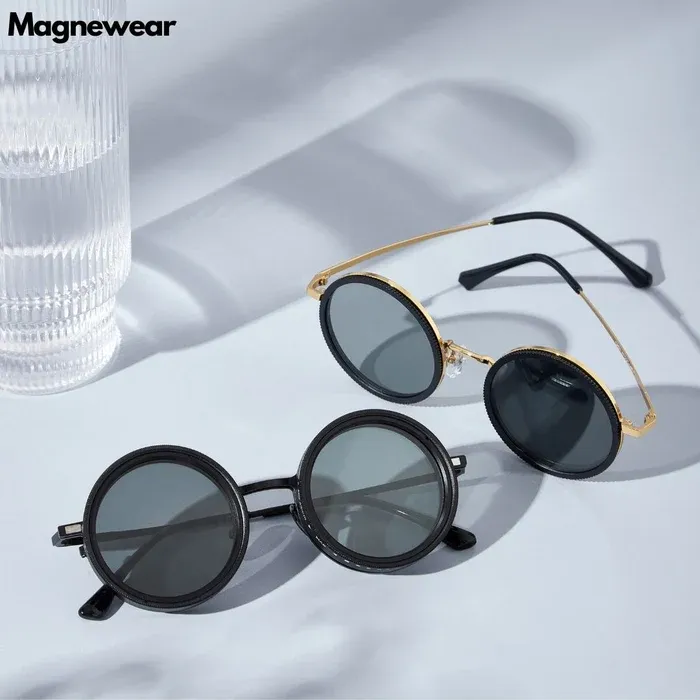
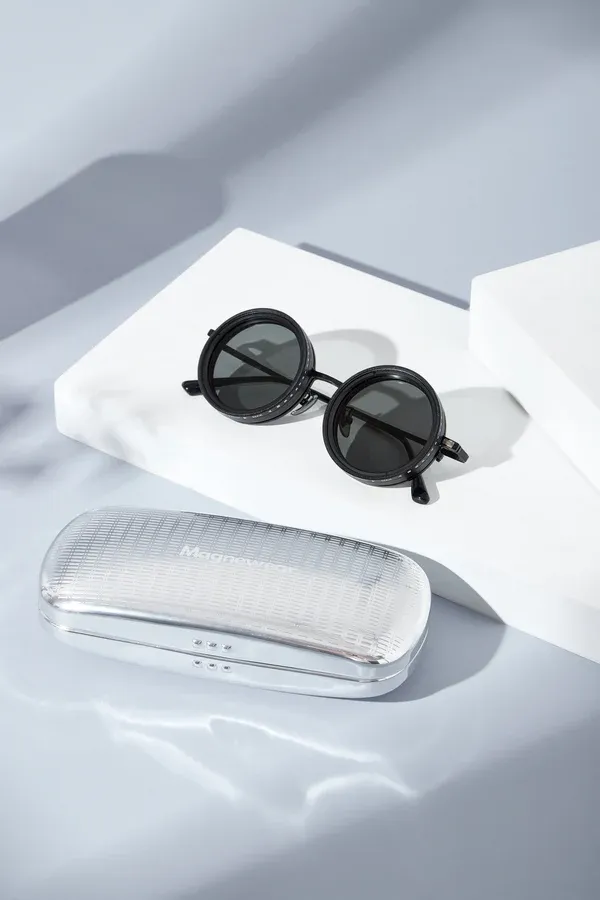
Magnewear is an example of a brand working around the idea that eyewear can combine everyday prescription use with greater flexibility.
The appeal of this concept is not really about the word “magnetic.” It is about making glasses easier to adapt to different moments throughout the day.
A good eyewear system should solve a genuine problem. If you regularly switch between indoor and outdoor environments, dislike carrying multiple pairs, or simply want an easier way to add sun protection to your everyday glasses, a modular frame may be worth considering.
Who Might Benefit Most?
This style of eyewear may be particularly appealing to people who already wear prescription glasses every day and frequently spend time outdoors.
It can also be useful for commuters, travelers, students, office workers, and anyone who moves between bright and indoor environments.
On the other hand, someone who rarely goes outdoors or already prefers owning separate prescription sunglasses may not gain much from the added flexibility.
The right choice depends on how you actually use your glasses. Convenience is valuable only when it solves a problem you regularly experience.
A Simple Buying Checklist
Before purchasing, ask yourself a few straightforward questions:
- Does the frame work with my prescription?
- Is the removable attachment specifically compatible with it?
- Does the outdoor lens provide appropriate UV protection?
- Is the frame comfortable enough for extended wear?
- Does the attachment stay aligned during normal movement?
- Can replacement attachments be purchased if necessary?
- Is the overall design suitable for my daily routine?
- Does the price make sense compared with buying separate eyewear?
If the answers are positive, a magnetic system may be a practical addition to your eyewear collection.
Conclusion
Modern eyewear does not have to be complicated to be useful. The basic idea behind a magnetic prescription frame is simple: keep your primary prescription lenses in place and add a compatible removable lens attachment when your situation changes.
For people who frequently move between indoor and outdoor settings, this can reduce the hassle of carrying and changing between multiple pairs. The biggest advantages are convenience, flexibility, and quick switching.
Still, the magnetic connection should not be the only thing you consider. Prescription accuracy, comfort, lens quality, frame compatibility, durability, and UV protection all matter. A clever attachment cannot compensate for uncomfortable glasses or poor-quality lenses.
Ultimately, the best pair is the one that fits naturally into your routine. If adaptability is important to you, magnetic eyewear can offer a straightforward way to make one prescription frame work harder throughout the day.





















Sign in to leave a comment.