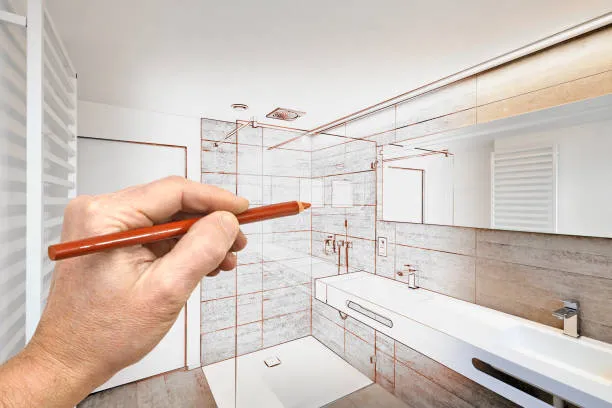

A beautifully renovated bathroom can transform the comfort, appearance, and functionality of a home, but the visible finishes are only part of the story. Beneath the tiles, fixtures, cabinetry, and decorative surfaces is a waterproofing system that plays a critical role in protecting the building from moisture. When waterproofing is poorly planned, incorrectly installed, inadequately cured, or damaged during later work, problems can develop behind surfaces where they may remain unnoticed for some time. For homeowners planning Bathroom Renovations in Logan, understanding why waterproofing matters can help them make informed decisions before construction begins.
Why Waterproofing Is So Important in a Bathroom
Bathrooms are naturally exposed to water every day. Showers, baths, basins, cleaning activities, steam, and accidental spills all introduce moisture into an environment where water needs to be controlled carefully. Waterproofing is designed to prevent water from penetrating into vulnerable areas behind fittings and wall or floor linings.
The Australian Building Codes Board identifies waterproofing as an important part of wet-area construction and references AS 3740:2021 for domestic wet areas within the relevant NCC provisions. The requirements are intended to protect building structures and maintain occupant amenity by limiting unwanted water penetration.
This means waterproofing should never be treated as an optional finishing detail. It is part of the underlying construction system of a bathroom. When it is done correctly, most of it remains hidden from view. When it fails, however, the consequences can extend far beyond a small wet patch.
What Can Happen When Waterproofing Fails?
A waterproofing problem may initially appear insignificant. Homeowners might notice a musty smell, discoloured grout, mould, loose tiles, bubbling paint, or dampness around a shower. These signs can indicate that moisture is moving into areas where it should not be.
The Queensland Building and Construction Commission specifically identifies waterproofing failures as a recurring defect and notes that problems can lead to water damage, mould, expensive rectification work, and disruption to homeowners. In Queensland's 2024–25 financial year data, residential bathroom claims finalised under the Queensland Home Warranty Scheme averaged almost $25,000 in rectification costs.
The cost of a failure is not limited to replacing a damaged tile. Depending on the location and severity of the problem, rectification may involve removing finishes, repairing affected substrates, addressing moisture damage, replacing damaged materials, and reconstructing parts of the wet area. This is why prevention and quality control are so important.
Common Causes of Waterproofing Problems
Waterproofing failures can occur for different reasons, and not every problem is immediately visible. According to the QBCC, common issues identified through inspections include incorrect membrane application, unsealed tap fixtures, problems with waterstops, and inadequately reinforced junctions. The regulator also highlights rushed work, incorrect products, poor surface preparation, failure to follow manufacturer requirements, and inadequate inspection as contributing factors.
The membrane needs to be installed as part of a properly detailed system rather than treated as a simple coating. Corners, junctions, penetrations, shower areas, fixtures, and transitions can all require careful attention. Even a small weakness in one of these locations can create a pathway for moisture.
For homeowners considering Bathroom Renovations in Logan, this is an important reminder that the quality of waterproofing depends heavily on the process used before the final tiles and finishes are installed.
Surface Preparation Is a Critical Stage
Before a waterproofing membrane can perform properly, the substrate needs to be appropriately prepared. Dust, contaminants, unsuitable surfaces, movement, cracks, or other substrate conditions can interfere with the application and performance of the system.
The QBCC advises that wet-area work requires appropriate preparation and that waterproofing systems should be installed in accordance with applicable standards and manufacturer instructions. Adequate curing time is also important before subsequent work covers the membrane.
This is one reason a bathroom renovation should not be rushed simply to meet a preferred completion date. Each stage needs sufficient time for the next stage to be carried out correctly. A faster installation is not necessarily a better installation when essential waterproofing processes are involved.
Waterproofing and Tiling Are Not the Same Thing
One common misunderstanding is assuming that tiles themselves make a bathroom waterproof. Tiles and grout provide a finished surface, but they should not be treated as the primary waterproof barrier.
The waterproofing system is located beneath the visible finishes and is designed to manage moisture before it reaches vulnerable parts of the structure. The NCC and associated provisions distinguish between waterproofing requirements and surface materials in wet areas.
This distinction matters during renovations because replacing tiles without addressing an existing waterproofing problem may leave the underlying issue unresolved. When a wet area is being substantially altered, the condition of the existing waterproofing should be considered rather than assuming that attractive new tiles will solve every problem.
Why Fixtures and Penetrations Need Special Attention
Bathrooms contain numerous points where plumbing fixtures, taps, drains, shower fittings, and other components interact with waterproofed surfaces. These areas need careful detailing because they create potential pathways through which moisture can enter concealed spaces.
The QBCC specifically identifies unsealed tap fixtures and issues involving waterstops and junction reinforcement among waterproofing defects found during inspections.
A professional approach therefore considers more than the broad wall and floor areas. Small penetrations and connection points can have an outsized impact on the integrity of the wet area. Good planning accounts for these details before surfaces are covered.
Warning Signs Homeowners Should Not Ignore
Waterproofing problems can take time to become obvious. Some warning signs appear gradually, making it easy to dismiss them as minor maintenance issues.
The QBCC advises homeowners to watch for persistent musty odours, mould growth, peeling or blistering paint, discoloured silicone, damp patches, loose tiles, crumbling grout, and white chalky residue associated with moisture movement.
If these symptoms appear, delaying an inspection may allow the underlying problem to become more extensive. Early investigation can provide a better opportunity to determine whether the issue is related to surface deterioration, plumbing, ventilation, moisture ingress, or waterproofing.
What Should Homeowners Ask Before a Renovation?
Before starting Bathroom Renovations in Logan, it is sensible to understand exactly what work is included. Homeowners can ask how the existing wet area will be assessed, what preparation is required, what waterproofing system is being used, which areas are being protected, how curing will be managed, and what documentation will be provided.
For certain Queensland waterproofing work, certification requirements apply. The QBCC states that when waterproofing work exceeds $3,300, a waterproofing certificate is required and must be issued by a licensed contractor in the circumstances specified.
Homeowners should also ensure they understand the broader contract, scope of work, responsibilities, and inspection arrangements before work begins. The QBCC recommends written contracts and checking contractor licensing as part of protecting homeowners from defects and disputes.
Maintenance Still Matters After the Renovation
Proper installation is essential, but waterproofing should not be viewed as completely maintenance-free. The QBCC advises homeowners to maintain silicone joints, repair cracked grout or loose tiles promptly, keep drains clear to avoid ponding, and avoid harsh or corrosive cleaning chemicals that may affect protective components.
Small maintenance tasks can help protect the finished bathroom and allow potential issues to be identified earlier. Damage caused by later drilling or renovation work can also compromise concealed waterproofing, so homeowners should be cautious before making changes to walls, floors, or fixtures after the renovation has been completed.
How Tub Renovations Can Approach Bathroom Projects
A successful bathroom renovation requires coordination between design, construction, plumbing, waterproofing, fixtures, surfaces, and finishing work. Tub Renovations can approach bathroom transformations with attention to the practical requirements behind the visible design.
Rather than focusing solely on tiles, colours, vanities, and fixtures, a well-planned project considers the condition of the existing space and the construction details that allow the finished bathroom to perform properly. This broader approach can help homeowners balance visual appeal with the practical demands of a wet environment.
For Bathroom Renovations in Logan, that balance is particularly important. A contemporary bathroom should not only look impressive when the project is completed; it should also be designed and constructed with the appropriate attention to moisture management, preparation, detailing, and long-term usability.
A Beautiful Bathroom Starts Behind the Tiles
The most noticeable elements of a bathroom are usually the ones homeowners see every day: the tiles, vanity, mirrors, fittings, lighting, and colour scheme. Waterproofing, by comparison, remains hidden. Yet that concealed layer can be one of the most important parts of the entire renovation.
Poor waterproofing can contribute to moisture damage, mould, deterioration, disruption, and expensive rectification work. Queensland building authorities continue to highlight waterproofing as a significant source of residential defects, reinforcing the importance of correct preparation, compliant installation, inspection, curing, and documentation.
When planning Bathroom Renovations in Logan, homeowners should therefore look beyond appearances and ask how the bathroom will be protected from moisture beneath its finished surfaces. With Tub Renovations, careful planning and attention to the underlying construction can help create a bathroom that combines attractive design with the practical qualities needed for everyday living.
A dream bathroom is more than a beautiful collection of finishes. It is a complete system in which design, functionality, workmanship, and moisture protection work together. Getting those fundamentals right from the beginning can help protect the investment and provide greater confidence in the finished space.























Sign in to leave a comment.