
Most septic problems do not begin with a dramatic sewage backup. They often start with something much easier to overlook: a drain that takes longer to empty, an unfamiliar odor near the yard, or a patch of unusually green grass. These small changes can be useful clues that your septic system needs attention. For homeowners considering septic pumping in Oviedo, understanding those early signals can make routine maintenance much easier and help prevent avoidable disruptions.
A septic system works quietly every day, treating household wastewater underground. Because much of its operation remains out of sight, homeowners need to rely on maintenance records, regular inspections, and changes in performance to know when service may be necessary.
The Hidden Work Happening Underground
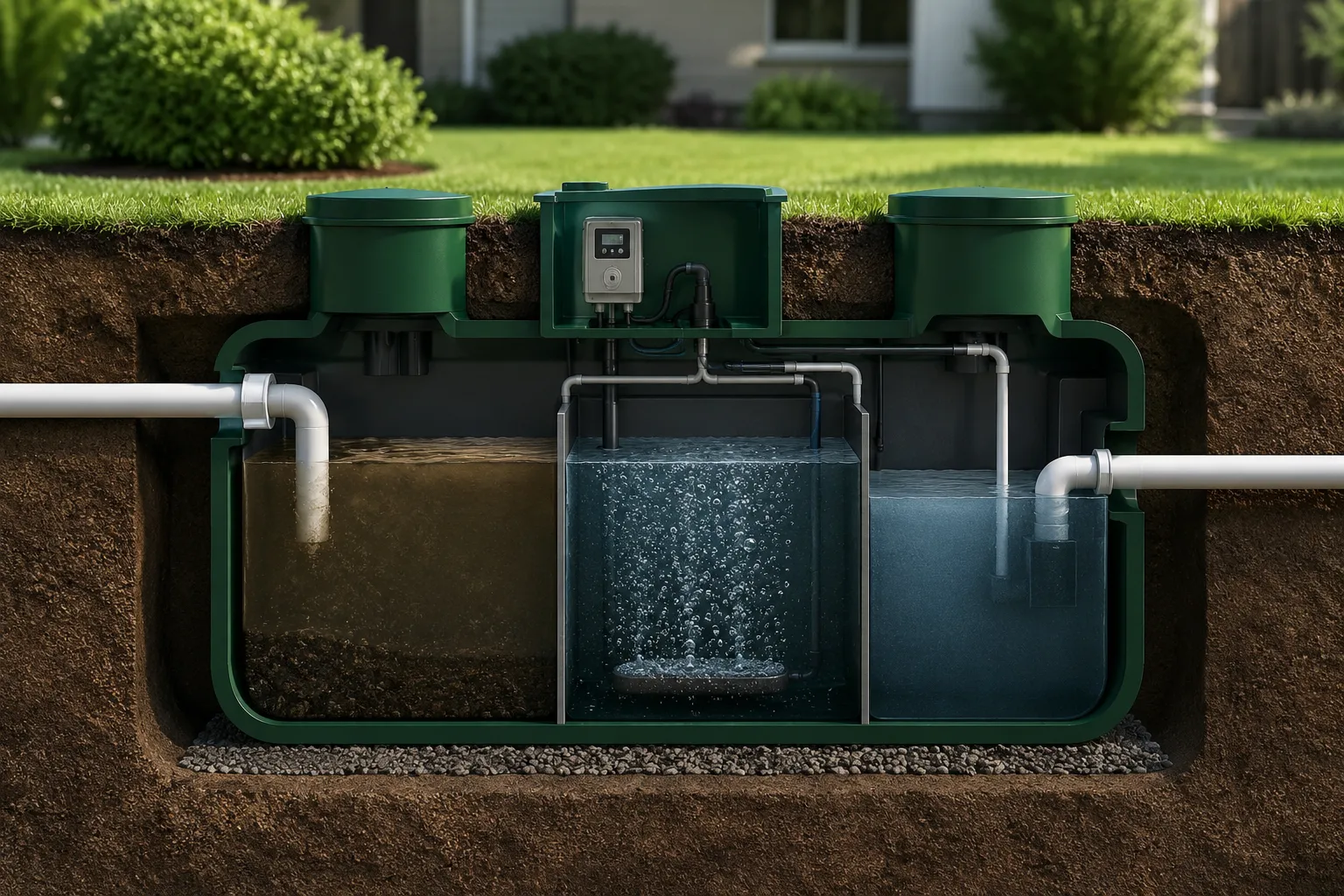
Every shower, load of laundry, and flush sends wastewater toward the septic tank. Inside the tank, the heavier solids settle at the bottom, lighter materials float to the surface, and naturally occurring bacteria help break down organic waste.
The liquid portion eventually leaves the tank and travels toward the drain field. There, the surrounding soil provides additional treatment as wastewater filters through the ground.
This process depends on balance. When too much sludge accumulates, the tank has less usable capacity. If solids begin moving toward the drain field, they can interfere with wastewater distribution and potentially create much more expensive problems.
That is why pumping is a maintenance task rather than something that should only happen after an emergency.
A Slow Drain Can Be More Than a Plumbing Problem
It is easy to blame a slow sink or shower on an ordinary clogged pipe. Sometimes that is exactly what is happening. But when several fixtures begin draining slowly at approximately the same time, homeowners should consider the possibility of a broader septic or drainage issue.
Other signs worth watching include:
- Toilets that gurgle when other fixtures are used
- Water collecting near the drain field
- Persistent sewage odors outdoors
- Repeated plumbing backups
- Unusually soft or saturated soil over septic components
- Grass that appears significantly greener over one area
None of these symptoms automatically proves that a septic system has failed. However, recurring signs should not be ignored. A professional assessment can determine whether the cause is a simple plumbing obstruction, a maintenance issue, or something requiring more extensive attention.
Your Laundry Routine Can Affect the Tank
One surprisingly simple way to reduce septic stress is to rethink laundry habits.
Running several large loads consecutively can send a substantial amount of water into the system within a short period. This sudden flow can make it harder for the tank to separate solids and liquids effectively.
Instead, spread laundry throughout the week whenever possible. Repair leaking washing-machine connections and consider efficient appliances when replacing older equipment.
The same principle applies throughout the home. Fix dripping faucets, running toilets, and other leaks rather than allowing unnecessary water to continuously enter the septic system.
What You Put Down the Drain Matters
Septic systems depend partly on biological activity to process organic waste. Introducing unsuitable substances can interfere with that process or create physical blockages.
Kitchen grease and cooking oil should never be poured down the sink. Paper towels, wipes, cotton products, and hygiene items also belong in the appropriate trash rather than the toilet.
Harsh chemicals deserve additional caution. Paints, solvents, automotive fluids, and similar substances should be disposed of through appropriate waste programs instead of being introduced into household plumbing.
Being selective about what enters the system is one of the easiest forms of septic maintenance because it costs nothing and can become part of your normal household routine.
Don't Forget About the Drain Field
A healthy tank cannot compensate for a neglected drain field.
The area above the drain field should remain free from unnecessary weight and activities that compact the soil. Parking vehicles, storing heavy materials, or driving equipment over the area can interfere with its ability to absorb wastewater.
Water management matters as well. Downspouts and surface runoff should not be directed toward septic components. Excess water can saturate the soil and make wastewater treatment more difficult.
Landscaping choices should also be considered carefully. Large plants with extensive root systems may eventually interfere with underground pipes.
How Often Should a Tank Be Pumped?
There is no universal pumping interval that works for every household. Tank size, household occupancy, water consumption, and the amount of solids entering the system all influence how quickly pumping becomes necessary.
Instead of choosing a schedule based solely on what another homeowner does, keep track of previous service and ask a qualified septic professional to evaluate your property's needs.
Homeowners researching septic pumping in Eustis may also benefit from establishing a maintenance record. Keeping dates and service information in one place makes it easier to recognize patterns and avoid forgetting when the last pumping occurred.
Maintenance Is Easier When You Make It Routine
A septic system does not require constant attention, but it does benefit from consistency. A few simple habits can go a long way:
Use water wisely. Spread out high-volume activities and fix leaks promptly.
Protect the plumbing. Keep grease, non-degradable products, and harmful chemicals out of household drains.
Watch the yard. Look for standing water, odors, unusually soft ground, or unexpected vegetation changes.
Keep records. Document pumping, inspections, repairs, and other septic-related work.
Respond to changes. Don't wait for a complete backup before investigating recurring symptoms.
These steps create a practical maintenance routine without making septic care unnecessarily complicated.
A Healthier System Starts With Prevention
A septic system can provide dependable service for many years when its components receive appropriate care. The goal is not simply to react when something stops working. It is to identify changing conditions early and address routine maintenance before a small concern becomes a major repair.
For homeowners who want professional support with ongoing septic care, A1 Septic Service can help property owners keep their wastewater systems properly maintained and operating efficiently.
The best time to think about your septic system is before it becomes an emergency. By paying attention to warning signs, managing household water use, protecting the drain field, and keeping up with professional maintenance, homeowners can reduce unnecessary stress and give their septic system a better chance of performing reliably year after year.

























Sign in to leave a comment.