Create a TV Channel and Start an Online Radio Station

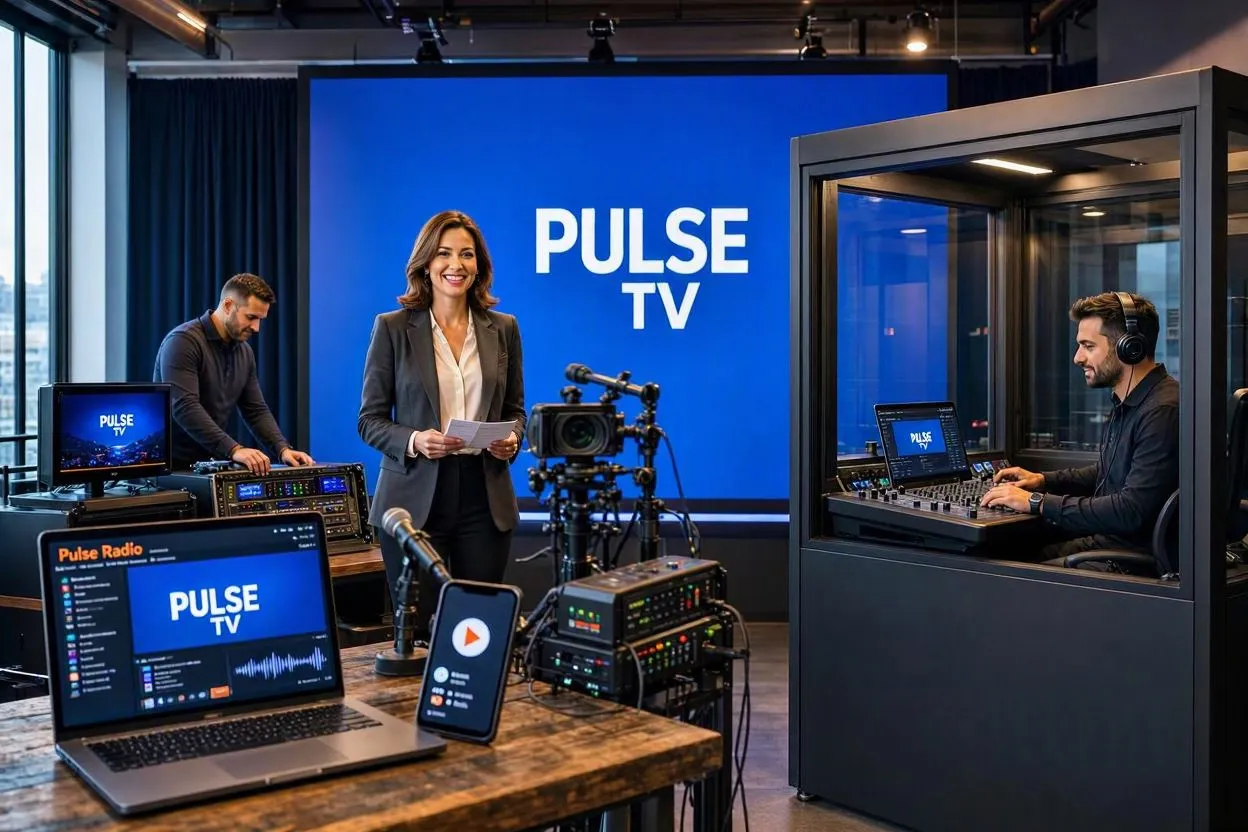
The internet has changed the way people consume television and radio. In the past, launching a television station or radio service required expensive broadcast equipment, transmission infrastructure, studio facilities, and access to traditional distribution networks. Today, creators, businesses, educational organizations, communities, and media entrepreneurs have another option: internet broadcasting.
If you want to create a TV channel, you can begin with an online-first approach and reach viewers through websites, applications, smart devices, and other connected platforms. You can also start an online radio station and build an audio audience alongside your television service.
The important thing is to begin with a clear idea, understand your audience, and choose technology that matches your goals.
Decide What Your TV Channel Will Be About
Before purchasing equipment or selecting a streaming platform, decide what your channel will offer.
A successful channel usually has a recognizable theme. You might focus on local news, entertainment, education, sports, music, business, lifestyle, religious programming, community information, or a particular hobby.
For example, a local organization could create a channel featuring community events, interviews with local people, educational programs, and regional news. A business could create a branded channel featuring product demonstrations, customer stories, tutorials, and industry discussions.
Your subject should give viewers a reason to return.
Plan Your Programming
Once you know your audience, develop a programming plan.
Think about the types of programs you can produce consistently. You do not need hundreds of hours of content at launch. A smaller collection of useful and engaging programs can be more effective than a huge library with no clear organization.
Your programming could include:
- Live interviews
- Recorded talk shows
- News updates
- Documentaries
- Educational programs
- Music shows
- Sports discussions
- Product demonstrations
- Community events
- Entertainment programs
You can combine live and prerecorded content to create a continuous viewing experience.
Produce Your Content
The equipment you need depends on your production style.
A simple online production might require a camera, microphone, lighting, computer, and editing software. A professional studio may use multiple cameras, professional microphones, studio lighting, graphics systems, teleprompters, and dedicated production staff.
You don't have to purchase everything immediately.
Many successful digital media projects begin with a basic setup and upgrade as the audience and revenue grow.
Build a Channel Schedule
A schedule helps turn a collection of videos into a real television experience.
Instead of asking viewers to select individual videos whenever they visit your website, you can organize your programs into specific time slots.
For example:
| Time | Program |
|---|---|
| 8:00 AM | Morning News |
| 9:00 AM | Educational Program |
| 11:00 AM | Interview |
| 1:00 PM | Entertainment |
| 3:00 PM | Documentary |
| 6:00 PM | Evening News |
| 8:00 PM | Featured Show |
Automated scheduling can play programs according to the timetable, reducing the amount of manual work required.
Start an Online Radio Station
Television doesn't have to be your only digital broadcasting service.
When you start an online radio station, you can create an additional way for your audience to interact with your brand.
Internet radio can feature music, interviews, talk shows, news, sports discussions, educational content, podcasts, and community programs.
You can broadcast live programs or use automated playlists.
An automated station can continue broadcasting scheduled audio even when a presenter is not in the studio.
Connect Your TV and Radio Content
One of the biggest advantages of operating both services is content reuse.
Suppose you produce a one-hour interview for your television channel. The video version can be shown on your TV service while the audio can be broadcast through your radio station.
Short sections can also become social media clips.
This approach allows one production to generate multiple pieces of content.
Make Your Brand Consistent
Your television and radio services should feel connected.
Use the same brand name, logo, colors, program names, and general visual identity. This helps viewers recognize your organization across different platforms.
Your website can provide access to both services, with separate players for television and radio.
Promote Your Channels
Having a channel online does not automatically create an audience.
Promotion should be part of your launch plan.
Use social media to announce upcoming programs, publish short clips, share interviews, and introduce presenters. You can also create an email newsletter to notify subscribers about new shows.
Encourage your existing audience to share programs with friends and communities.
Monetization Opportunities
Once you have an audience, there are several ways to generate revenue.
Advertising is one option. You can also explore sponsorships, memberships, subscriptions, donations, branded programming, or partnerships.
The right approach depends on your audience and the type of content you produce.
Grow Gradually
You don't need to build a huge media company on day one.
Start with a manageable schedule. Learn which programs attract the most attention. Improve your production quality over time and expand your programming based on audience feedback.
A focused online television service combined with an internet radio station can become a strong digital media brand when supported by consistent content and reliable technology.


Sign in to leave a comment.