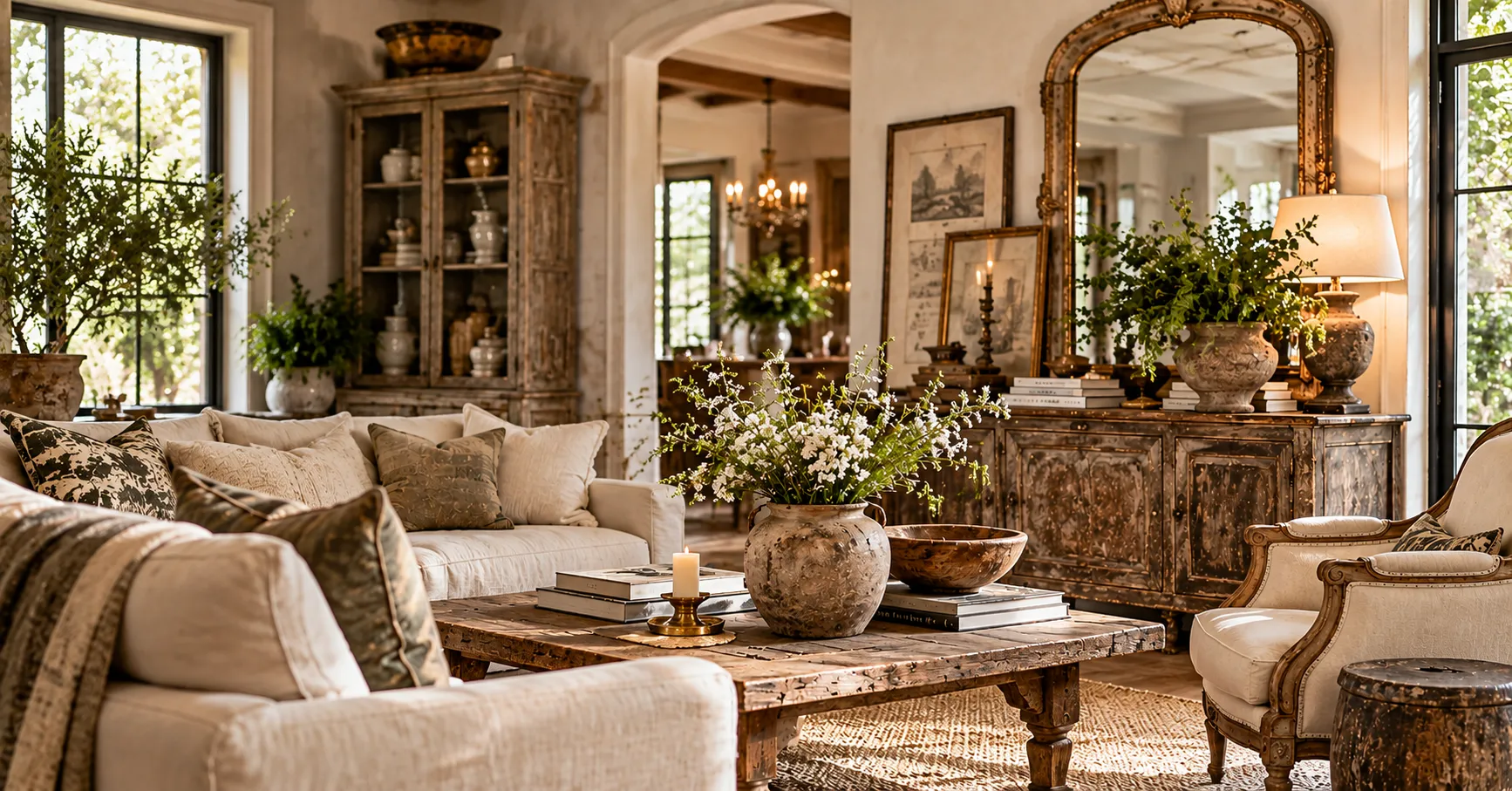

A beautifully decorated home does not always need to look perfectly coordinated. In fact, some of the most inviting interiors feel collected rather than designed all at once. Vintage furniture, antique accents, architectural elements, and timeworn accessories can give a home depth, character, and a sense of history.
Creating a collected home is less about following a particular decorating trend and more about choosing pieces that have personality and meaning.
What Is a Collected Home?
A collected home combines furniture and decorative objects from different periods, styles, and places. Instead of purchasing an entire room as a matching set, homeowners gradually bring together pieces that work naturally with one another.
A vintage cabinet might sit alongside a contemporary sofa, while an antique mirror can complement modern lighting. The contrast creates an interior that feels personal rather than overly staged.
Why Vintage Pieces Add Character
One of the biggest advantages of vintage furniture is its individuality. Mass-produced furniture can make a room look polished, but vintage pieces often have details that are difficult to replicate.
Wood grain, aged finishes, carved details, patina, old hardware, and handmade construction can all contribute to the character of a piece.
Even a single vintage item can become a focal point in an otherwise contemporary room.
Mixing Old and New
You do not need an entirely vintage interior to create a collected look. Mixing old and new pieces can actually make a room feel more balanced.
For example, consider pairing:
- A vintage console with contemporary artwork
- An antique mirror above a modern fireplace
- A traditional dining table with simple modern chairs
- An aged cabinet with minimalist accessories
- Vintage lighting with contemporary furniture
The key is finding relationships between the pieces through color, material, shape, or scale.
Look for Quality, Not Perfection
Vintage furniture naturally shows signs of age. Small scratches, variations in finish, and subtle imperfections can be part of its appeal.
Instead of searching for pieces that look completely new, look for good construction and materials. Solid wood, sturdy joinery, quality hardware, and well-preserved surfaces can be more important than achieving a flawless appearance.
A piece does not have to be perfect to work beautifully in a home.
Use Architectural Elements as Décor
Vintage architectural pieces can also add an unexpected layer to an interior. Old doors, shutters, corbels, panels, frames, and other architectural details can be displayed as decorative features.
These elements can work particularly well in entryways, living rooms, dining spaces, and bedrooms where a strong focal point is needed.
Build Your Collection Gradually
One mistake people make when trying to create a collected home is buying everything at once. A more natural approach is to build the interior over time.
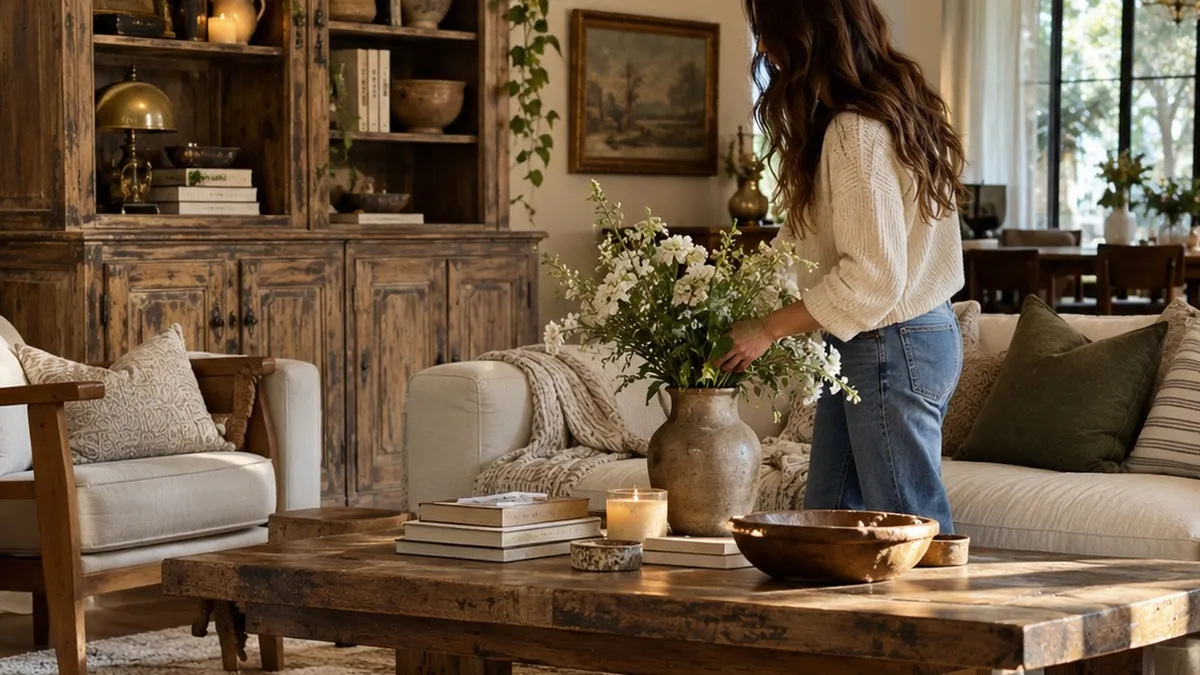
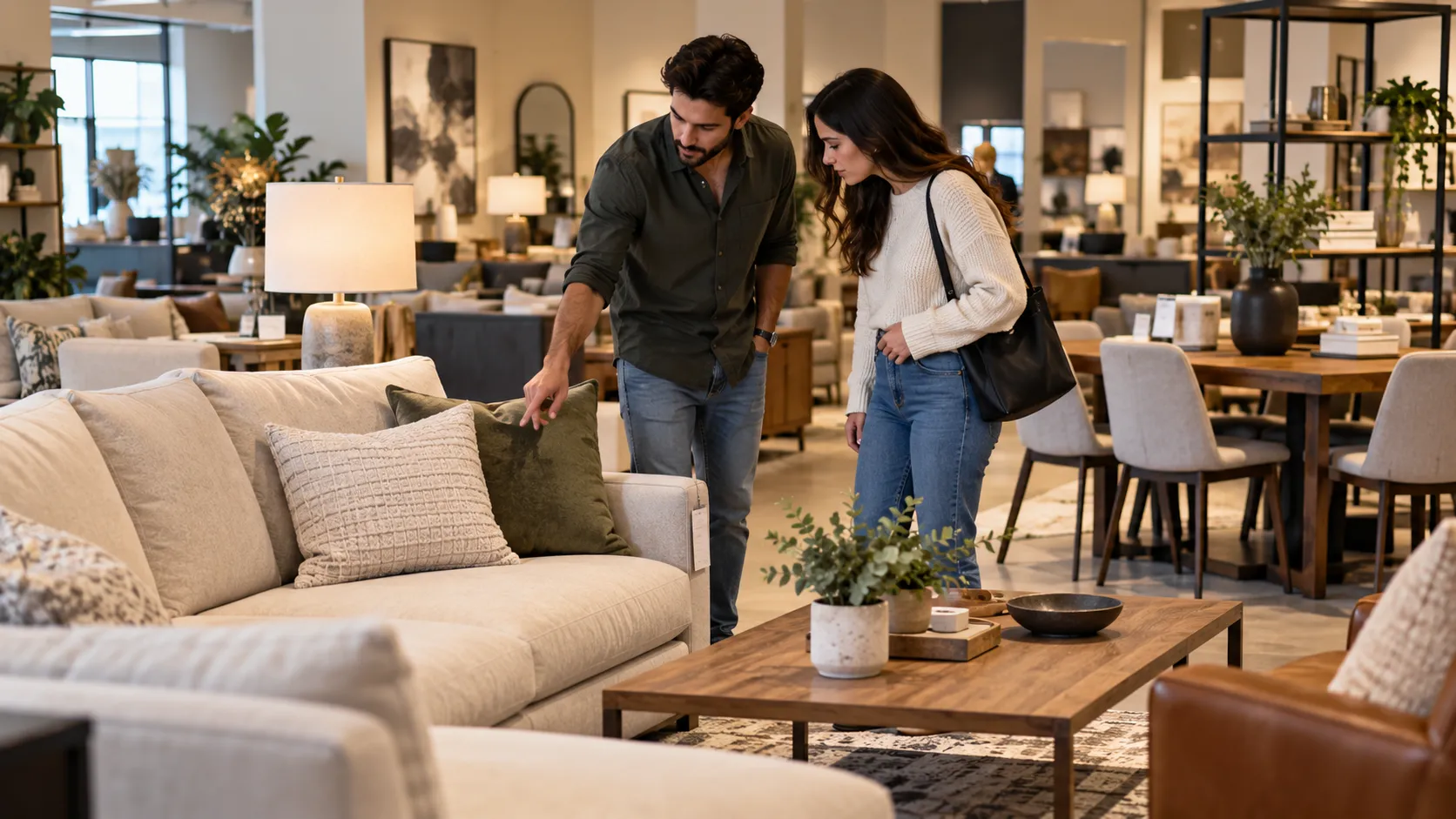
Start with a few substantial pieces and allow the rest of the room to develop around them. Visit antique shops, vintage markets, estate sales, and carefully curated furniture collections to discover pieces that genuinely appeal to you.
The goal is not to fill every empty space. It is to create a home where each object feels intentional.
Create Cohesion Without Matching Everything
A collected interior still needs some visual consistency. Repeating certain colors, materials, or finishes can help different pieces feel connected.
For example, warm wood tones can appear throughout the room, while neutral fabrics and aged metals can create a common visual thread.
This approach allows furniture from different periods to coexist without making the room feel chaotic.
Final Thoughts
A collected home tells a story through its furniture and decorative details. Vintage pieces bring texture, history, craftsmanship, and individuality that can be difficult to achieve with newly manufactured décor alone.
Rather than trying to make every element match, focus on choosing pieces that complement one another and reflect your personal taste. Over time, these choices can create an interior that feels layered, welcoming, and genuinely lived in.




















Sign in to leave a comment.