

Travel should be a universally accessible joy, yet for families managing mobility restrictions, planning a holiday frequently feels like an exhausting logistical battle. Booking a standard hotel room usually involves a series of frustrating compromises. Doorways are often too narrow for comfortable wheelchair access, bathrooms lack the necessary turning radius, and thick decorative carpets make movement physically draining. The hospitality industry frequently treats accessibility as an afterthought, providing a handful of modified rooms that feel heavily institutional and completely devoid of holiday charm. When you are travelling with elderly parents or family members who require physical support, the architectural layout of your accommodation dictates the entire success of the trip. A poorly designed room does not just cause minor inconvenience; it can completely confine vulnerable family members, stripping away their independence and ruining the intended restorative nature of the break.
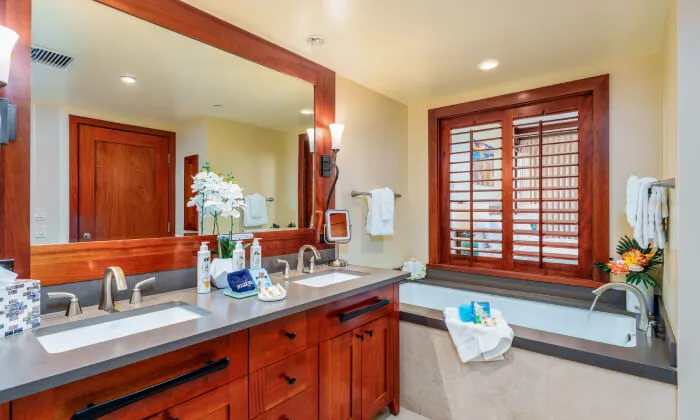
Transitioning to a spacious residential property fundamentally solves these structural barriers. Modern private residences are designed with generous floor plans that naturally accommodate mobility aids without feeling clinical or restrictive. Wide hallways, open-plan living areas, and smooth flooring allow everyone to move freely and safely throughout the space. The psychological relief of arriving at a property and realising that a loved one can independently access the kitchen, the living room, and the outdoor areas without constantly asking for physical assistance is immense. It restores dignity and autonomy to the traveller, allowing them to actually participate in the daily flow of the holiday rather than merely observing it from a stationary position in the corner of a cramped, inaccessible hotel room.
The surrounding outdoor environment is equally important when considering inclusive travel. The western coast of Oahu provides an exceptionally gentle terrain compared to the steep, rocky cliffs found on other parts of the island. The area surrounding the sheltered swimming lagoons is entirely flat, featuring wide, paved walking paths that are perfectly suited for mobility scooters, walking frames, or wheelchairs. Securing one of the accessible villa rentals at ko olina places your family directly on these friendly, manageable surfaces. There are no steep hills to conquer or treacherous, deeply rutted sandy dunes to cross just to see the water. The lagoons themselves are exceptionally calm and protected, offering easy, sloped access to the shoreline, ensuring that everyone, regardless of their physical capabilities, can comfortably enjoy the coastal atmosphere.
A fully equipped, residential kitchen is another highly practical component of accessible travel that is rarely discussed. Dietary restrictions often accompany physical health challenges, making restaurant dining a stressful and sometimes unpredictable gamble. Having a private, domestic kitchen allows caregivers to prepare specific meals, store necessary medications safely in a full-sized refrigerator, and maintain a highly predictable daily schedule. Furthermore, a well-designed kitchen means that older family members or those with limited mobility can still participate in the familiar, comforting routines of daily life, such as making their own morning tea or preparing a light sandwich, without having to negotiate a crowded, noisy hotel dining room during peak breakfast service hours.
The inclusion of a private, sweeping lanai ensures that even on days when a family member feels too fatigued to leave the property, they are not excluded from the beautiful Hawaiian experience. They can sit comfortably outdoors, fully shaded from the harsh midday sun, and still feel the warm trade winds and hear the ocean in the distance. The ability to rest properly is deeply important, and a residential property provides multiple comfortable areas to do so, unlike a standard room where the only seating option is often the edge of a mattress. By prioritising space, functional design, and flat terrain, families can ensure that their holiday is genuinely inclusive, allowing every single member to relax and build wonderful memories together in complete comfort.
Conclusion
Planning an inclusive holiday requires accommodation that actively supports mobility and independence without sacrificing comfort. By choosing a spacious, accessible residential property on a flat coastal terrain, families can ensure that every member enjoys a dignified, relaxing, and fully integrated travel experience.
Call to Action
Ensure your next family getaway is comfortable and entirely accessible for everyone by booking a spacious property designed with thoughtful, inclusive living in mind.
Visit: https://hookipaatthevillas.com/villas/
















Sign in to leave a comment.