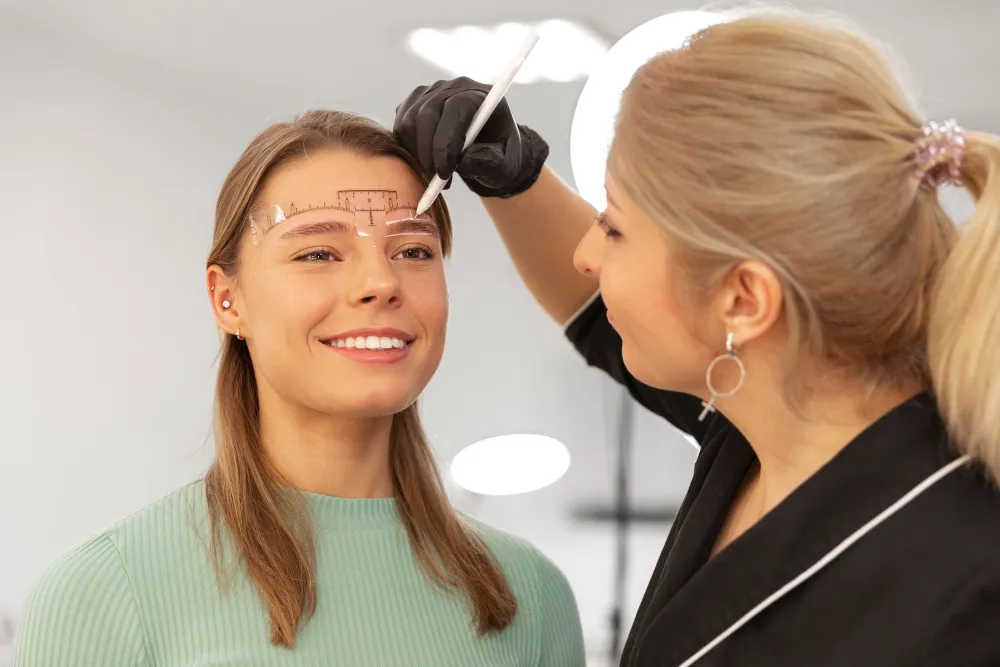

Fuller eyebrows can contribute to facial definition by framing the eyes and supporting the balance between different facial features. When brow hair becomes sparse because of overplucking, ageing, scarring, injury, or other factors, individuals may explore restoration methods designed to improve density. An eyebrow transplant can involve carefully placing selected hair follicles into areas where natural brow growth has become limited. Because eyebrow hairs grow at specific angles and directions, detailed planning is important for achieving an appearance that integrates with existing hair. A professional assessment can help determine suitable treatment requirements and establish realistic expectations based on individual characteristics.
Understanding Eyebrow Thinning
Eyebrow thinning can occur gradually or develop following a specific event such as injury or repeated grooming. Some individuals may notice reduced density across the entire brow, while others experience isolated gaps around the arch or outer tail. The pattern of thinning can influence how restoration is planned. Existing hairs can provide useful guidance regarding natural direction, shape, and density. A professional assessment can examine the brow area and surrounding skin to understand the extent of hair loss. Identifying the affected areas helps determine whether targeted restoration or broader coverage may be more appropriate for the individual's requirements.
Understanding Eyebrow Transplantation
Eyebrow transplantation involves transferring selected hair follicles from a suitable donor area to sections of the eyebrows where additional growth is required. The follicles need to be placed carefully because brow hairs generally grow at shallow angles close to the skin. Their direction can also change across the inner brow, arch, and outer tail. Treatment planning therefore focuses on more than simply adding follicles. The number of grafts, placement pattern, density, and orientation can all influence the final appearance. A personalised assessment can determine how these factors may be adapted to the individual's existing brow characteristics.
Designing a Suitable Brow Shape
The shape of the eyebrow can influence facial expression and visual balance, making design an important part of restoration planning. The natural brow may include a gradual rise, defined arch, and tapered outer section. Facial proportions, eye position, forehead structure, existing brow shape, and personal preferences can be considered when determining the proposed design. The objective is generally to create an appropriate shape that complements the individual's features rather than applying the same design to everyone. Careful planning can also identify areas where density should increase or decrease, supporting a more gradual and naturally integrated appearance.
Considering Facial Balance
Eyebrows help frame the eyes and can influence how facial proportions are perceived. Uneven density, gaps, or significant hair loss can therefore change the visual balance of the face. Restoration planning can consider both eyebrows together to create greater harmony while recognising that natural facial features are rarely perfectly symmetrical. The position and shape of each brow can be assessed in relation to the eyes, forehead, and surrounding features. This allows the treatment plan to address individual differences while avoiding an overly uniform appearance. A balanced approach can support facial definition without making the restored brows appear artificial.
Selecting Suitable Donor Hair
Donor hair provides the follicles used during eyebrow transplantation, so selection can influence the overall appearance. Hair thickness, texture, colour, and growth characteristics should be considered when choosing suitable follicles. The transplanted hairs need to blend with existing eyebrow growth as naturally as possible. A professional assessment can identify potential donor resources and determine whether sufficient follicles are available. Because eyebrows generally require a relatively small number of carefully positioned follicles, selection can be precise. Understanding donor characteristics before treatment can help establish realistic expectations and support a restoration plan suited to the individual's natural hair properties.
Planning Follicle Direction
The direction of each follicle is particularly important in eyebrow restoration. Brow hairs generally lie close to the skin and can change direction across different sections of the eyebrow. Inner hairs may point upward or outward, while hairs around the arch and tail can follow different angles. If transplanted follicles are positioned without considering these patterns, they may look disconnected from existing growth. Careful placement can therefore focus on angle, direction, and spacing. Planning these details can help the restored hairs follow a pattern that complements the natural eyebrow and creates a more cohesive appearance as growth develops.
Creating Appropriate Density
The amount of density required can vary depending on how much existing eyebrow hair remains. Individuals with isolated gaps may need fewer follicles than those with extensive hair loss. The treatment plan can therefore focus on placing follicles strategically rather than creating identical density throughout the entire brow. Gradual changes in density can help the eyebrow appear more natural from the inner section through the arch and toward the tail. Existing hairs can also influence placement decisions. A professional assessment can determine where additional follicles may provide useful visual improvement while maintaining a balanced distribution across the affected areas.
Addressing Brow Gaps
Small gaps within the eyebrow can be noticeable because of the area's central position on the face. Gaps may develop through repeated plucking, injury, scarring, or natural changes in growth. When sufficient surrounding hair remains, treatment can potentially focus specifically on these sections. Existing follicles can provide reference points for determining direction and spacing. Targeted restoration may therefore involve placing a limited number of follicles into carefully selected areas. The aim can be to improve continuity between existing hairs rather than unnecessarily increasing density across unaffected sections. Individual assessment helps determine whether this approach is suitable for the particular pattern.
Restoring Sparse Outer Brows
The outer portion of the eyebrow can become particularly sparse with age or repeated grooming. Because the tail helps define the overall brow shape, reduced density in this area may change the appearance of the face. Restoration planning can consider the existing brow structure and determine where additional follicles may be useful. The outer section generally requires careful tapering because excessive density can make the tail appear heavy. Appropriate follicle direction and spacing can support a gradual transition. A personalised design can therefore address outer brow thinning while maintaining the relationship between the tail, arch, and inner brow.
Understanding the Treatment Process
Treatment generally begins with an assessment of the eyebrow area and donor follicles, followed by planning of the desired shape and placement pattern. Selected follicles are then prepared and carefully positioned within the areas requiring restoration. Because the eyebrow is a relatively small and visible region, precise placement can be important throughout the procedure. Individuals should receive professional guidance about preparation, treatment stages, recovery, and aftercare. Understanding each part of the process can help reduce uncertainty. It also provides an opportunity to discuss desired density and shape before treatment so that expectations are clearly established.
Understanding Recovery
Recovery after eyebrow transplantation involves a period during which the treated skin gradually settles. Temporary redness, mild swelling, sensitivity, or small crusts may appear around implanted follicles, although individual experiences can differ. Newly transplanted hairs can also shed temporarily before entering another growth phase. Following professional aftercare instructions can help protect the treated area while it heals. Individuals should avoid assessing the final appearance during the earliest stages because the eyebrows can change as the follicles develop. Patience is important while the transplanted hairs establish themselves and begin producing mature growth.
Understanding the Growth Process
New eyebrow growth develops gradually rather than appearing immediately after transplantation. Temporary shedding may occur before the follicles enter a later growth phase, which can make early results appear inconsistent. Over time, new hairs can become more visible and develop according to their natural characteristics. The timing of growth varies between individuals because healing, follicle quality, donor characteristics, and other factors can influence development. Professional guidance can provide general expectations while recognising individual differences. Understanding the gradual growth process can help individuals remain patient and avoid assuming that the early appearance represents the final result.
Managing Transplanted Brow Hair
Transplanted hairs may retain some characteristics of the area from which they were taken. In many cases, this means they can continue growing for longer than naturally occurring eyebrow hairs and may require regular trimming. Once the follicles have matured, individuals can discuss appropriate grooming methods with a professional. Trimming can help maintain the desired length and shape of the eyebrows. Regular maintenance may therefore become part of the normal routine following restoration. Understanding the growth characteristics of transplanted follicles can help individuals manage the brows effectively while maintaining the intended appearance over time.
Considering Existing Eyebrow Hair
Existing eyebrow hair remains an important part of the final appearance, even when additional follicles are transplanted. Native hairs can provide natural density, direction, and texture that help guide restoration planning. Preserving these hairs where possible can support integration between existing and transplanted growth. The treatment strategy can focus on filling gaps or improving selected areas rather than replacing hair that is already healthy. Individuals should also understand that native eyebrow hairs may change over time due to ageing or other factors. Ongoing monitoring can help maintain awareness of how both native and transplanted hairs develop.
Setting Realistic Expectations
Eyebrow transplantation can provide additional hair growth, but the final appearance depends on several individual factors. Donor hair characteristics, existing brow density, follicle placement, healing, skin condition, and future changes can all influence the outcome. Perfect symmetry should not necessarily be expected because natural facial features commonly contain small differences. Instead, restoration can aim to create a balanced appearance that complements the individual's features. A professional consultation can explain potential limitations and likely stages of development. Understanding these factors before treatment can help individuals approach the procedure with realistic expectations and a clearer understanding of the restoration process.
Choosing Personalised Professional Guidance
A professional consultation can help determine whether eyebrow transplantation is appropriate for an individual's concerns. Assessment may consider brow density, facial proportions, skin condition, donor hair characteristics, desired shape, and the extent of hair loss. Individuals can also discuss the procedure, recovery, maintenance, expected growth, and possible limitations. Personalised planning is especially important because small differences in follicle direction or spacing can affect the appearance of the eyebrows. Understanding the proposed approach before treatment can help individuals make informed decisions and establish expectations that reflect their specific facial features and restoration requirements.
Conclusion
Creating fuller eyebrows requires careful attention to shape, density, follicle direction, facial proportions, donor hair characteristics, recovery, and ongoing maintenance. Eyebrow transplantation can provide an option for individuals seeking to address gaps or reduced brow density, but suitability and potential outcomes vary according to personal circumstances. Detailed assessment allows the restoration plan to be adapted to existing hair and individual facial characteristics. Individuals interested in exploring personalised brow restoration can consult Este Medical Group Cosmetic Surgery to discuss their eyebrow concerns, desired shape, donor resources, treatment requirements, recovery expectations, and suitable approaches for creating balanced and naturally integrated brow growth.



























Sign in to leave a comment.