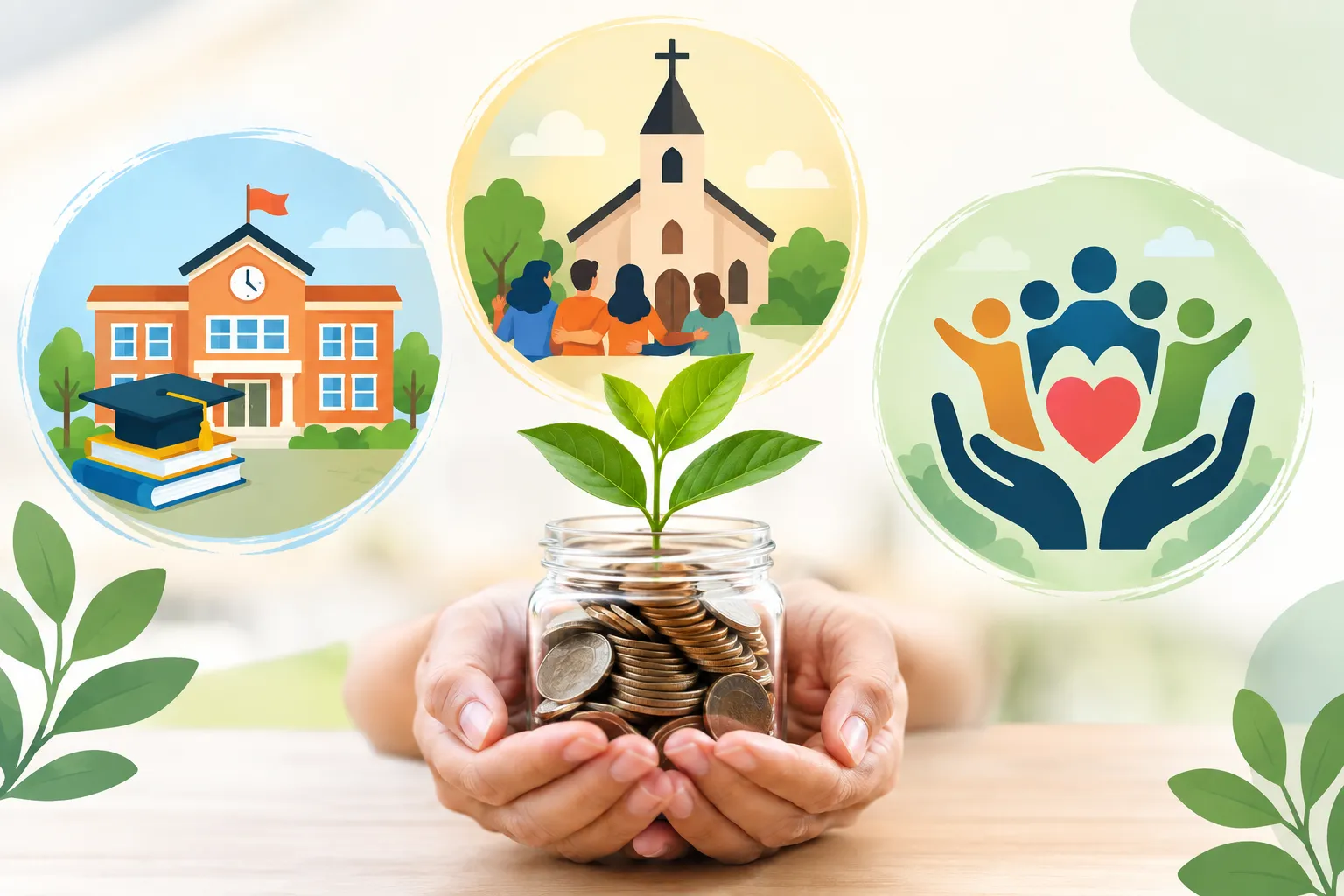

Fundraising is an important way for schools, churches, nonprofits, and community organizations to generate money for programs, events, outreach, and essential projects. However, relying only on occasional fundraising campaigns can make it difficult to maintain consistent financial support. Sustainable fundraising provides a better long-term approach by focusing on activities that can be repeated, adapted, and improved over time.
Whether you are organizing a school fundraiser, supporting a church ministry, or raising money for a nonprofit organization, the right strategy can help you generate funds while keeping your community involved. Here are some sustainable fundraising ideas that can help organizations build reliable support.
Why Sustainable Fundraising Matters
Sustainable fundraising is about more than reaching a short-term financial target. It focuses on developing fundraising activities that can continue generating support without constantly requiring organizations to start from scratch.
A sustainable approach can also strengthen relationships with donors, volunteers, families, and community members. When supporters understand the purpose of a fundraiser and can see the results of their contributions, they are more likely to participate in future campaigns.
Organizations should look for fundraising ideas that match their audience, resources, and mission. A campaign that works well for a school may not be suitable for a church or nonprofit, so flexibility is essential.
Sustainable Fundraising Ideas for Schools
Schools have a natural fundraising community that includes students, parents, teachers, alumni, and local businesses. This makes it possible to develop fundraising activities that encourage participation beyond simply asking for donations.
Seasonal fundraising campaigns are one option. Schools can organize holiday-themed sales featuring products such as fresh greenery, wreaths, swags, or other seasonal decorations. These campaigns can be repeated each year and can become an anticipated part of the school calendar.
Schools can also organize sponsored walks, reading challenges, talent shows, sports events, recycling drives, and family activity days. These events encourage students to participate directly while giving parents and community members opportunities to contribute.
Another long-term option is a recurring donation program. Parents, alumni, and supporters can make small monthly contributions rather than waiting for a major fundraising campaign. Even modest recurring donations can provide more predictable financial support throughout the school year.
Sustainable Fundraising Ideas for Churches
Churches can create fundraising opportunities that bring members together while supporting ministries, community programs, and outreach activities.
Community dinners, bake sales, craft fairs, seasonal markets, and charity events can combine fundraising with social activities. Seasonal campaigns can be particularly effective because they give members opportunities to purchase or sell products that are relevant to the time of year.
Churches can also introduce monthly giving programs. Recurring donations can provide a more stable source of income and make it easier to plan future projects.
Partnering with local businesses can provide another opportunity. Businesses may sponsor community events, contribute products or services, or support specific church initiatives. These partnerships can also help churches reach people outside their existing congregation.
Whatever fundraising method is selected, transparency is important. Clearly explaining how funds will be used can encourage greater trust and long-term participation.
Sustainable Fundraising Ideas for Organizations
Nonprofits and community organizations often need fundraising methods that can grow alongside their programs. Instead of relying on one annual campaign, organizations can create multiple sources of ongoing support.
Peer-to-peer fundraising is one effective option. Supporters can create personal fundraising pages and share them with friends, family members, coworkers, and social networks. This allows an organization to reach new audiences without managing every individual donation request.
Organizations can also develop sponsorship programs, membership plans, corporate partnerships, recurring donation campaigns, and annual giving programs. These approaches can create stronger relationships with supporters while providing more predictable revenue.
Project-based fundraising can also make campaigns easier to understand. Rather than making a general request for donations, an organization can explain exactly what it hopes to accomplish and how contributions will help. Clear goals can make supporters feel more connected to the outcome.
How to Make Fundraising More Sustainable
Choosing the right fundraising idea is only the beginning. Organizations should evaluate each campaign after it ends to determine what worked and what could be improved.
Track participation, revenue, expenses, volunteer involvement, and donor response. This information can help identify which campaigns are worth repeating and which ones need to be changed.
It is also important to maintain relationships with previous supporters. Thank donors after campaigns, provide updates about the results, and show how their contributions made a difference. Regular communication can turn one-time supporters into long-term participants.
Organizations should also avoid overwhelming their audience with constant fundraising requests. A balanced calendar that combines fundraising with meaningful community activities can make participation more enjoyable.
Build a Fundraising Strategy That Lasts
Sustainable fundraising does not mean abandoning traditional fundraising activities. Instead, it means turning successful ideas into repeatable strategies that support long-term goals.
Schools can involve families through seasonal campaigns and student activities. Churches can combine fundraising with community events and recurring giving. Nonprofits can develop peer-to-peer campaigns, sponsorships, memberships, and project-based fundraising.
By focusing on consistency, transparency, community involvement, and strong supporter relationships, organizations can create fundraising programs that generate financial support while building a stronger and more engaged community.
























Sign in to leave a comment.