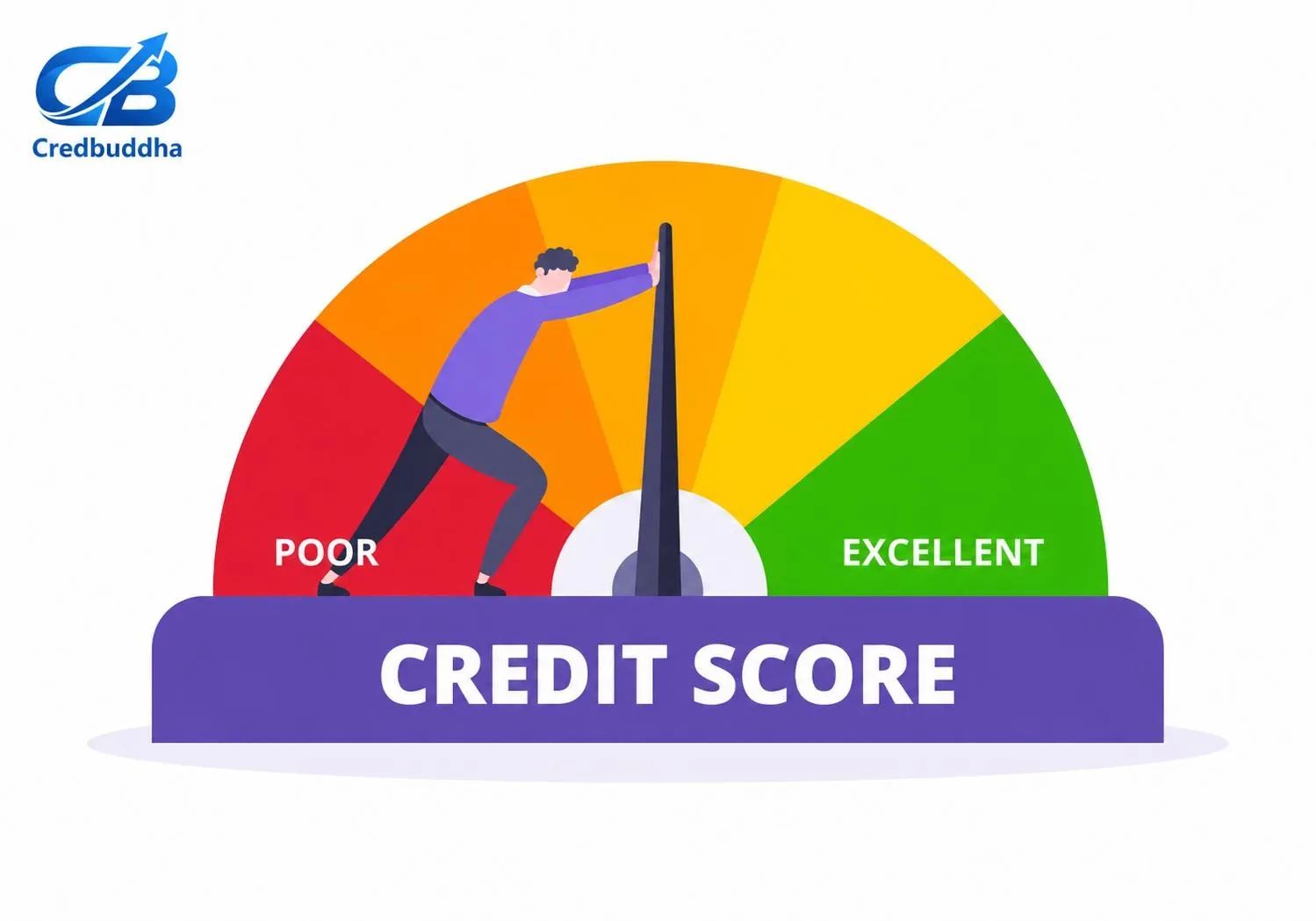

A credit score is one of the most important numbers lenders may consider when evaluating a loan application. Whether you're planning to apply for a personal loan, business loan, car loan, or credit card, understanding your credit profile can help you make better financial decisions.
However, a credit score isn't simply a number that determines whether you'll get a loan. Lenders may also consider your income, existing debts, employment or business profile, repayment capacity, and other eligibility factors.
What Is a Credit Score?
A credit score is a numerical representation of your credit history and repayment behaviour.
In India, credit scores are provided by credit information companies based on information reported by lenders and other credit institutions.
Your score can be influenced by factors such as:
- Repayment history
- Credit utilisation
- Length of credit history
- Types of credit accounts
- Recent credit applications
A stronger credit profile can generally make you appear more creditworthy to potential lenders.
Why Does Your Credit Score Matter?
When you apply for credit, lenders want to understand the likelihood that you will repay your borrowing on time.
Your credit history can help them assess your previous credit behaviour.
A healthy credit profile may improve your chances of qualifying for suitable credit products, although approval and interest rates are ultimately determined by the lender's own criteria.
Payment History Is Important
One of the most important aspects of responsible credit management is paying your EMIs and credit-card bills on time.
Repeated late payments or defaults can negatively affect your credit profile.
For this reason, set reminders or use automatic payment facilities where appropriate to avoid accidentally missing due dates.
Even a single missed payment can be worth taking seriously.
Credit Utilisation Can Affect Your Profile
Credit utilisation refers to how much of your available revolving credit you are using.
For example, if your credit-card limit is ₹1,00,000 and your outstanding balance is ₹20,000, your utilisation is 20%.
Consistently using a very high proportion of your available credit can signal that you may be heavily dependent on borrowed funds.
Keeping balances manageable and paying bills on time can support healthier credit habits.
Applying for Too Much Credit
Every time you apply for credit, the lender may perform a credit enquiry.
Making multiple applications within a short period can result in several enquiries appearing on your credit report.
Instead of applying everywhere immediately, research eligibility requirements and compare suitable options first.
This can help you avoid unnecessary applications.
Closing Old Credit Accounts
Closing a credit card or loan account isn't automatically beneficial or harmful.
If an old account has a positive repayment history, closing it could change the overall composition of your credit profile.
Before closing an account, consider its age, fees, utilisation impact, and whether you actually need it.
Check Your Credit Report Regularly
Checking your credit report can help you identify errors or unfamiliar accounts.
Look for:
- Incorrect personal information
- Accounts you don't recognise
- Incorrect outstanding balances
- Incorrect payment records
- Duplicate accounts
- Unexpected credit enquiries
If you find an error, contact the relevant credit bureau or lender and follow its dispute process.
What Can Hurt Your Credit Score?
Several behaviours can potentially damage your credit profile.
Missing EMI Payments
Late or missed payments can negatively affect your repayment history.
Defaulting on Loans
Serious payment defaults can have a significant impact.
High Credit Utilisation
Consistently maintaining very high revolving balances may be viewed negatively.
Multiple Credit Applications
Frequent applications within a short period can result in multiple credit enquiries.
Ignoring Your Credit Report
Not reviewing your report can make it harder to discover incorrect information.
How Can You Improve Your Credit Profile?
Improving your credit profile usually requires consistent financial habits rather than a quick fix.
Pay on Time
Make all loan and credit-card payments by their due dates.
Keep Credit Usage Manageable
Avoid relying heavily on your available credit limit.
Maintain a Healthy Mix of Credit
Different types of credit can contribute to your credit profile, but don't borrow simply to create a credit mix.
Avoid Unnecessary Applications
Apply for credit when you genuinely need it.
Review Your Credit Report
Check your report periodically and dispute inaccurate information when necessary.
Does a High Credit Score Guarantee Loan Approval?
No.
A good credit score can strengthen your application, but lenders typically consider several other factors.
These can include:
- Monthly income
- Employment stability
- Existing liabilities
- Debt-to-income or obligation levels
- Loan amount
- Loan tenure
- Banking history
- Internal lender policies
Therefore, having a strong credit score doesn't guarantee approval.
How Long Does It Take to Improve a Credit Score?
There is no fixed timeline.
Your credit profile changes as new information is reported. If you've previously missed payments or accumulated significant debt, improving your profile may take time.
The most effective approach is to maintain consistent repayment behaviour over an extended period.
Be cautious of anyone promising to increase your credit score instantly for a fee.
Credit Score vs Credit Report
These two terms are related but different.
Credit score: A numerical summary of your creditworthiness based on your credit history.
Credit report: A more detailed record containing information about your credit accounts, repayment history, enquiries, and other relevant details.
Checking both can give you a better understanding of your credit position.
Before Applying for a Loan
If you're planning to apply for a loan, consider reviewing your financial position first.
Ask yourself:
- What is my current credit score?
- Do I have any overdue payments?
- How much existing debt do I have?
- Can I comfortably afford another EMI?
- Is my credit report accurate?
- How much do I actually need to borrow?
Preparing before applying can help you make a more informed decision.
Where Can You Explore Loan Options?
Once you've reviewed your credit profile and determined your borrowing requirement, you can compare available lending options.
CredBuddha is a lending platform that connects borrowers with multiple lending partners and provides access to financial products such as personal loans, subject to lender eligibility and approval.
Before accepting an offer, review the interest rate, fees, repayment schedule, and other applicable terms carefully.
Conclusion
Your credit score is an important part of your financial profile, but it doesn't tell your entire financial story.
Consistent repayment, responsible credit usage, manageable debt, and regular credit-report checks can help you build healthier credit habits over time.
If you're planning to borrow, don't focus only on getting approved.





















Sign in to leave a comment.