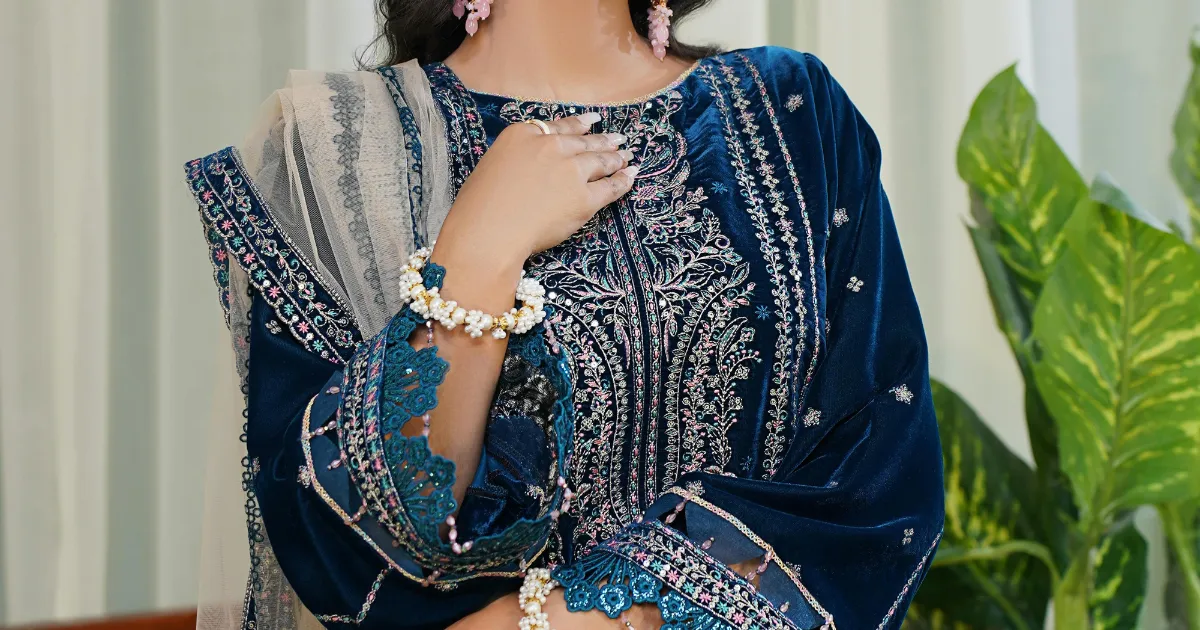

So you're looking at Cross Stitch suits online. Maybe you’ve seen them all over Instagram, or a friend wore one at a wedding that made you ask where she got it. The unstitched 3-piece suits are everywhere right now, and for good reason. They have a certain finish that feels a notch above your standard printed lawn, something about the way the embroidery sits or the color combinations they put together. But buying a suit online—especially an unstitched one—comes with a whole set of questions you don’t have when you’re picking something off a rack. Can you trust the fabric? What does it actually look like when it arrives? Is this going to make you look like everyone else at the next gathering? I’ve ordered enough of these to have some pretty specific thoughts, and I’ll walk you through what matters and what doesn’t.

What Actually Is a Cross Stitch Suit?
We’re talking about a specific Pakistani brand, Cross Stitch, that does unstitched 3-piece suits in premium fabrics. "Unstitched" means you get the fabric pieces—shirt, dupatta, trouser—and you take them to your tailor to get them stitched according to your own measurements. That’s the beauty of it. The suit shown online is just a suggestion; you can adjust the length of the shirt, the style of the sleeves, or the fit of the trousers to your preference. These are typically 3-piece suits—shirt, bottom, and dupatta—but sometimes they come in 4 pieces if they include a slip for the dupatta or a separate dyed fabric piece for the placket . The fabric is usually lawn for the hot months and khaddar for winter, depending on the collection. They’re made for the Pakistani climate, so you can count on them to be breathable and comfortable for long hours, especially during the summer or at big family events.
A Quick Word on the Different Ranges
When you start browsing, you’ll see a few different names pop up. "Mahiri" is the more premium line from Cross Stitch. It’s not just the name that’s different; you can feel the weight of the lawn, and the embroidery is much denser. On the other hand, their standard "Premium Lawn" is still great—it’s lighter and simpler, more of a workable, everyday-wear vibe that can still be dressed up . My personal preference leans toward the Mahiri line if I’m getting something for an actual event like an Eid dinner. But if it’s just for a casual lunch or a work event, the standard is perfect and lighter on the wallet. You’ll notice that prices are all over the place between different online stores, sometimes by quite a lot, so it’s worth checking a few sites.
What You’re Actually Paying For (and Where You’re Not)
Here’s the thing about buying unstitched suits online that a lot of people forget: you’re not looking at the final product. That price tag? It’s just for the raw fabric. You’re still going to have to pay the tailor. And yes, that is an extra cost.
From what I’ve seen at various shops, a Premium Embroidered Lawn Suit is in the ballpark of PKR 10,668 for a 3-piece . For a Mahiri piece, you’re looking at around PKR 7,960 on sale, sometimes higher . This is a fairly wide range. But the huge difference is that while the brand puts out the fabric, the accessories (like lace, tassels, or the little embellishments they use for the model pics) are almost never included in the unstitched version . Your tailor will need to source these locally if you want them, which adds to the final cost. So factor all of that in before you get sticker shock or think you’re getting a steal.
The True Test: Fabric, Embroidery, and the Digital vs. Reality Gap
You’ve got to look really hard at those images. I remember ordering a beautiful piece in what I thought was a muted pink, but when it arrived, the fabric was a completely different shade—more of a peachy terracotta. The search results mention "color may vary due to photographic lighting" , but honestly, I’ve learned this is just a disclaimer they use to cover their bases when the colors are wildly off. And they are sometimes wildly off.
One thing I’ve started doing is paying attention to the fine print on the material: Is it Chikankari? Is it a net dupatta? Or is it just a "printed" piece with a few embroidered patches? The search results show a huge difference. Some suits have Chikan work on lawn, others are simply printed with "embroidered patti" (embroidered borders) . "Patti" is basically an embroidered strip of fabric they attach to the edges of your sleeves or the front placket. If you see terms like "40" embroidered patti for sleeves" and "60" embroidered patti for the front," that’s what they’re describing . That's often what gives the suit its structured look. But if the main fabric is thin or the embroidery is cheap, the whole thing falls flat, literally.
How to Actually Pick One Online
So you’ve scrolled through pages of options—how do you choose? The first and most obvious rule is to consider the season. If you’re in Pakistan, you’re going to want a lawn suit in summer. It’s airy and easy to move in. But if you’re looking for something to wear in the cooler months, you’ll need to look for their khaddar suits, which are much thicker and more suited for winter . Many online stores offer both but don’t always highlight the difference in weight.
Next, look at the dupatta. For a lawn suit, a chiffon dupatta is a game-changer. It’s lighter and flows better than the heavy, starched ones. For a more formal feel, you can go for a net dupatta or an organza one, but I always find them a bit too scratchy for my liking, especially if you’re wearing the suit for a full day. I’d take a soft, printed chiffon dupatta over a stiff embroidered organza one any day. It’s just more comfortable.
The Care and Keeping of Your Cross Stitch Suit
This is where you’ll either love the suit or regret buying it. Once you get it stitched, the care is serious. The first thing you’ll see on any tag is "Dry Clean Recommended" . And they mean it. The embroidery on these suits—especially on the Mahiri line—can be so dense that washing it in a machine will destroy the thread or shrink the fabric. I learned that the hard way when I gave a delicate Chikan suit to a local dhobi and it came back looking like a doll's dress.
For the initial wash, you should soak the fabric in lukewarm water for a couple of hours before you take it to the tailor . This prevents the colors from bleeding later. Use a mild detergent and don't wring it out. Lay it flat in the shade to dry; direct sunlight is an absolute no because it will fade the colors and make the white fabric yellow . And for the love of your outfit, never use bleach or stain-removing chemicals . If you get a stain, spot-treat it with a gentle soap and water before sending it to the dry cleaner.
How Does It Compare to Other Brand Options?
When I’m shopping, I usually have a few brands I compare Cross Stitch against. Cross Stitch's design language tends to be more restrained and elegant compared to, say, the more flamboyant, heavily embellished styles you might find from other brands. Cross Stitch does fewer "all-over" prints and more scattered motifs or beautiful border work. It comes down to what you prefer: if you’re looking for something with a modern, clean aesthetic, you’re in the right place. If you want the absolute most intricate handwork for the lowest price, you might look elsewhere. But the quality of the lawn and the embroidery thread feels more consistent to me than some other competitors in the same price bracket.
Frequently Asked Questions
Are Cross Stitch suits true to the size chart?
No, because the suits are unstitched. You must measure yourself or consult your tailor. If you order a "stitched" option from some retailers, the measurement chart is just a guide and can vary wildly, so it’s crucial to request custom sizing or have a tailor on standby.
What if the color is different from the picture?
It’s one of the biggest complaints. Online stores are very upfront that color can vary due to lighting. If you’re a perfectionist about shade matching, your best bet is to see the suit in person or buy from a store with a generous return policy for color discrepancies .
Why is the embroidered dupatta so much stiffer than the suit?
This is just how it is. The embroidery thread used on the dupatta—especially if it’s net or chiffon—doesn't have the same drape as the plain fabric. You’ll need to get it lightly starched or just wear it with a bit of structure; it’s never going to be as soft as the main shirt.
Where can I find more styles like this?
You can browse the full selection of Cross Stitch collections and other premium brands available at meewancollection.pk.















Sign in to leave a comment.