

Patches used to mean one thing: a small badge sewn onto a scout uniform or a biker jacket. That's changed. Custom embroidered patches now show up everywhere, from streetwear brands and small businesses to personal gifts and hobby groups, and demand has grown well beyond their old niche uses. If you've never ordered one before, the process can feel more complicated than it actually is thread types, backing options, sizing, pricing. This guide breaks all of that down in plain terms, so you know exactly what you're choosing before you place an order.
What Are Custom Embroidered Patches
A custom embroidered patch is essentially a small piece of fabric with a design stitched into it using thread, rather than printed with ink. If you don't know what is embroidery, this is exactly it thread built directly into the fabric, giving it texture, durability, and a slightly raised, tactile finish that a flat printed design simply can't match. Because every patch is stitched to a specific design, no two batches are ever exactly generic this is what makes custom embroidered patches genuinely custom rather than a mass-produced sticker with fabric edges.
How Custom Embroidered Patches Are Made
The process behind custom embroidered patches is more precise than most people expect. A design is first digitised into a stitch file that tells the embroidery machine exactly where each thread should go, in what colour, and at what density. The base fabric is then stretched tight on a hoop or frame so the stitching stays even, and the machine builds the design layer by layer, often starting with an outline before filling in colour blocks. Once stitching is complete, the patch is cut to shape and finished with an edge usually merrowed (overlocked) or heat-cut before backing is added.
Types of Custom Embroidered Patches
Not all patches are built the same way, and the type you choose depends on how it will be used:
- Iron-on patches — backed with heat-activated adhesive, ideal for quick, no-sew application
- Sew-on patches — no adhesive backing, meant to be stitched permanently onto fabric for maximum durability
- Velcro-backed patches — designed to be swapped in and out, common on tactical gear and uniforms
- Self-adhesive patches — a temporary option, useful for short-term branding or events
- 3D or puff embroidered patches — stitched over foam for a raised, dimensional look, popular for logos
Where Custom Embroidered Patches Are Used
The appeal of custom embroidered patches is how flexible they are across completely different use cases:
- Personal style — added to jackets, bags, or hats as a personal design statement
- Small business branding — stitched onto staff uniforms, caps, or merchandise for a professional finish
- Clubs and hobby groups — motorcycle clubs, sports teams, and scouting groups all use patches to mark membership or achievement
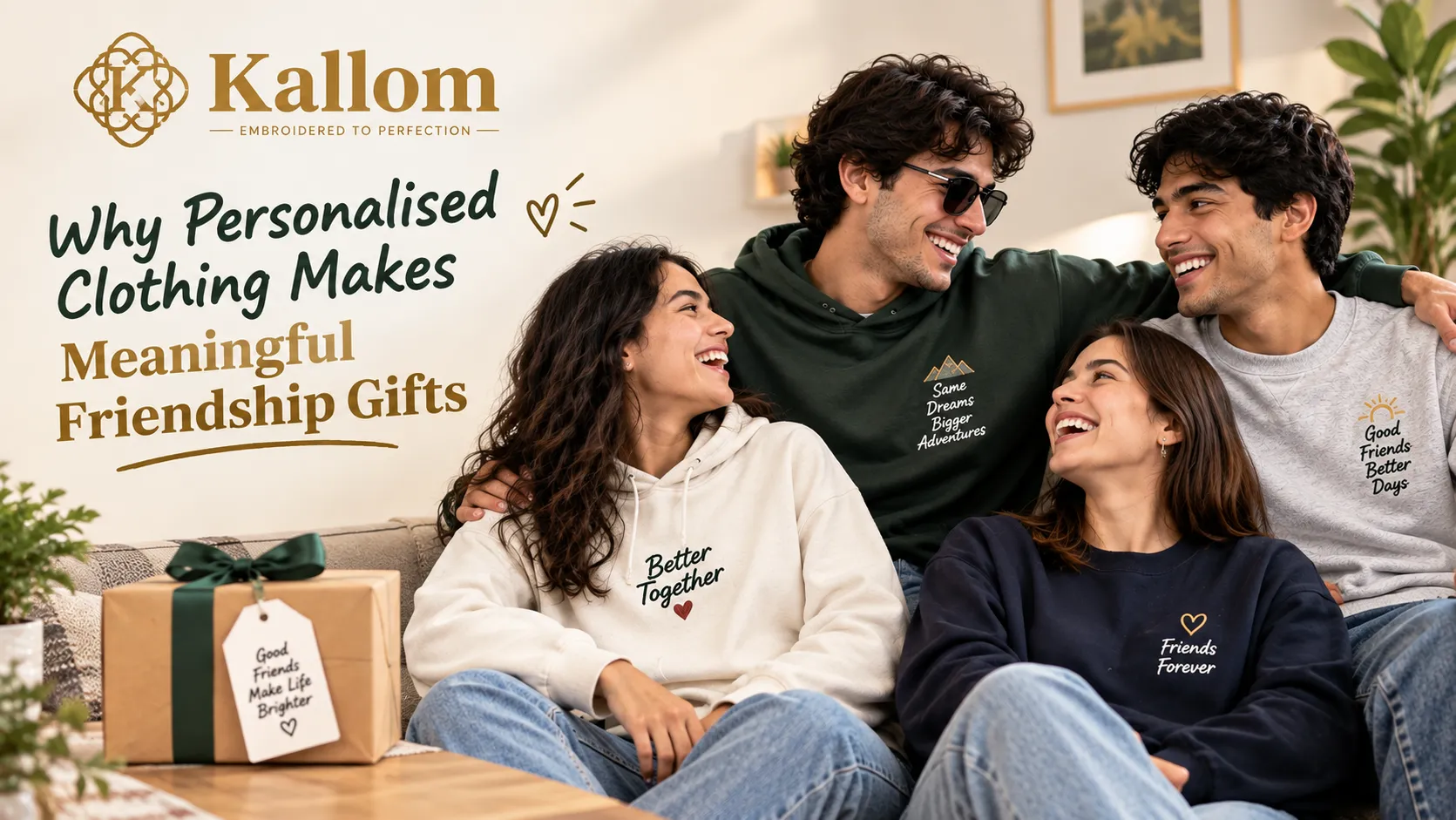
- Gifting — a custom patch with a name, date, or symbol makes a small, meaningful personalised gift
- Events and merchandise — limited-run patches are a popular collectible for festivals, conventions, and pop-up shops
Custom Embroidered Patches vs Printed Patches
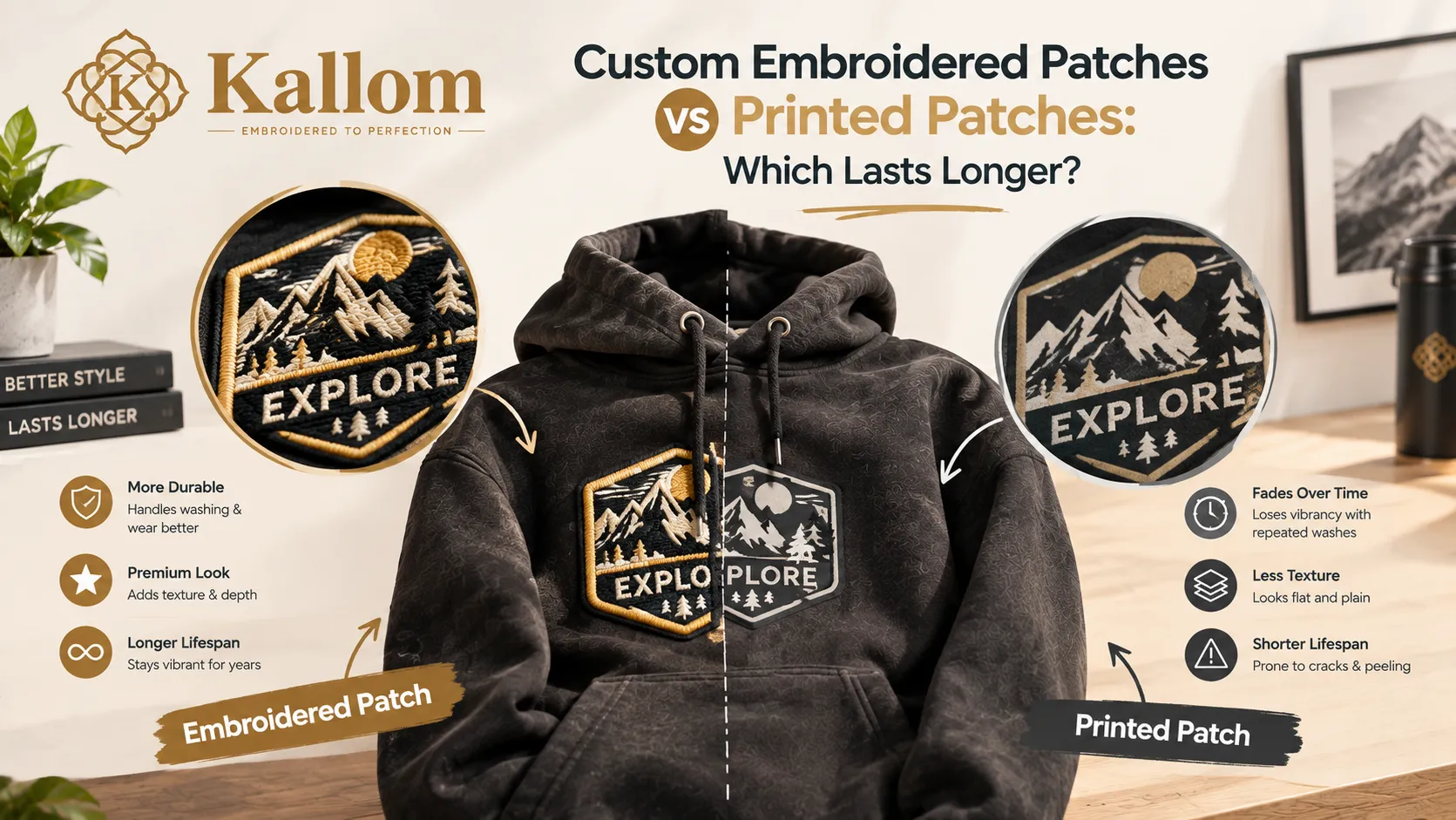
The choice between embroidered and printed often comes down to how long the patch actually needs to last. Printed patches are cheaper and faster to produce, but the ink sits on top of the fabric and tends to crack, peel, or fade with repeated washing and exposure to sunlight. Custom embroidered patches, on the other hand, are built from thread woven directly into the fabric, which means the design doesn't sit on a surface that can wear away it's part of the structure itself. For anything meant to last years rather than months, embroidery is almost always the better long-term choice, even though the upfront cost is usually a little higher.
How to Choose a Good Custom Embroidered Patch Supplier
Quality varies a lot between suppliers, so it's worth checking a few things before ordering custom embroidered patches in any quantity:
- Ask about stitch density — tightly packed stitches last longer and look sharper than thin, sparse embroidery
- Check thread quality — polyester thread resists fading better than cheaper rayon options
- Look at edge finishing — a clean merrowed or heat-cut border prevents fraying over time
- Request a digital proof before production, so you can catch sizing or colour issues early
- Read reviews focused on durability, not just initial appearance, since patches are judged by how they hold up
Why Customers Choose Kallom for Embroidery That Lasts
This is exactly the standard UK-based embroidery brand Kallom is built around. While best known for hand-embroidered hoodies and sweatshirts rather than standalone patches, the same principles apply directly: every design is stitched with the same attention to thread quality, density, and finish.
If you're curious what embroidery actually involves before committing to a custom order, it's worth seeing the process up close rather than relying on a product photo alone.
Beyond patches, if you'd rather customise your clothes directly a hoodie or sweatshirt with your own name or design stitched in that same hand-finished approach applies, with pricing starting from around £17-£20.
Conclusion
Custom embroidered patches sit in an unusual spot, small, often overlooked, but genuinely built to last far longer than most people expect from something so simple. Whether the goal is personal style, business branding, or a meaningful gift, the details that matter are the same: stitch quality, thread type, and finishing. Get those right, and a patch someone stitches onto a jacket today can still look sharp years later, which is really the whole point of choosing embroidery over a printed alternative in the first place.





















Sign in to leave a comment.