

Custom Sportswear Manufacturing: A Complete Guide for Clothing Brands
Starting a sportswear brand involves much more than creating a logo and choosing a few colors. A clothing brand needs to turn ideas into garments that look good, feel comfortable, fit properly, and maintain consistent quality.
This is where custom sportswear manufacturing becomes important.
Custom manufacturing allows brands to create apparel according to specific designs, fabrics, measurements, colors, branding requirements, and production needs. Instead of selling generic sportswear, a brand can develop products that reflect its own identity.
Whether you are launching a new activewear label, building a teamwear collection, creating gym clothing, or expanding an established fashion brand, understanding how custom sportswear manufacturing works can help you make better production decisions.
What Is Custom Sportswear Manufacturing?
Custom sportswear manufacturing is the process of producing sports and activewear according to a brand's specific requirements.
The manufacturer may work from a sketch, reference garment, tech pack, artwork, measurements, or complete product specifications.
Depending on the project, customization can include:
- Fabric selection
- Garment construction
- Colors
- Patterns
- Sizes
- Measurements
- Logos
- Graphics
- Player names and numbers
- Labels
- Tags
- Packaging
- Printing
- Embroidery
For example, a football club may want custom jerseys with its own colors, crest, player numbers, and sponsor logos. A fitness brand may need leggings, sports bras, gym shirts, and hoodies with its own branding.
The manufacturer takes these requirements and turns them into physical products.
Why Are Brands Choosing Custom Sportswear?
Custom sportswear gives clothing brands more control over their products.
A brand can decide how a garment should look, what material should be used, where the logo should appear, and how the final product should be presented to customers.
This can be useful for several types of businesses.
Sports Teams
Teams often need uniforms that represent their colors and identity. Custom manufacturing allows jerseys, shorts, tracksuits, and training wear to be produced around the team's requirements.
Fitness Brands
Gym and fitness companies can develop collections around specific activities and customer needs.
For example, a fitness brand may create lightweight training shirts, compression wear, leggings, and performance shorts.
Fashion and Streetwear Brands
Sportswear and streetwear often overlap. Brands can combine athletic-inspired designs with everyday fashion to create their own collections.
Corporate and Promotional Apparel
Companies, gyms, events, academies, and organizations may also require custom apparel featuring their logos and branding.
Step 1: Start With a Product Idea
Every manufacturing project begins with an idea.
Before contacting a manufacturer, decide what product you want to create.
For example:
- Football jersey
- Basketball uniform
- Running shirt
- Gym shorts
- Compression shirt
- Leggings
- Tracksuit
- Hoodie
- Joggers
- Training jacket
- Custom workwear
Think about who will wear the product and where it will be used.
A running shirt may need different fabric characteristics from a heavyweight streetwear hoodie. A football jersey may require lightweight and breathable material, while a winter training jacket may need additional insulation.
The purpose of the garment should influence its construction.
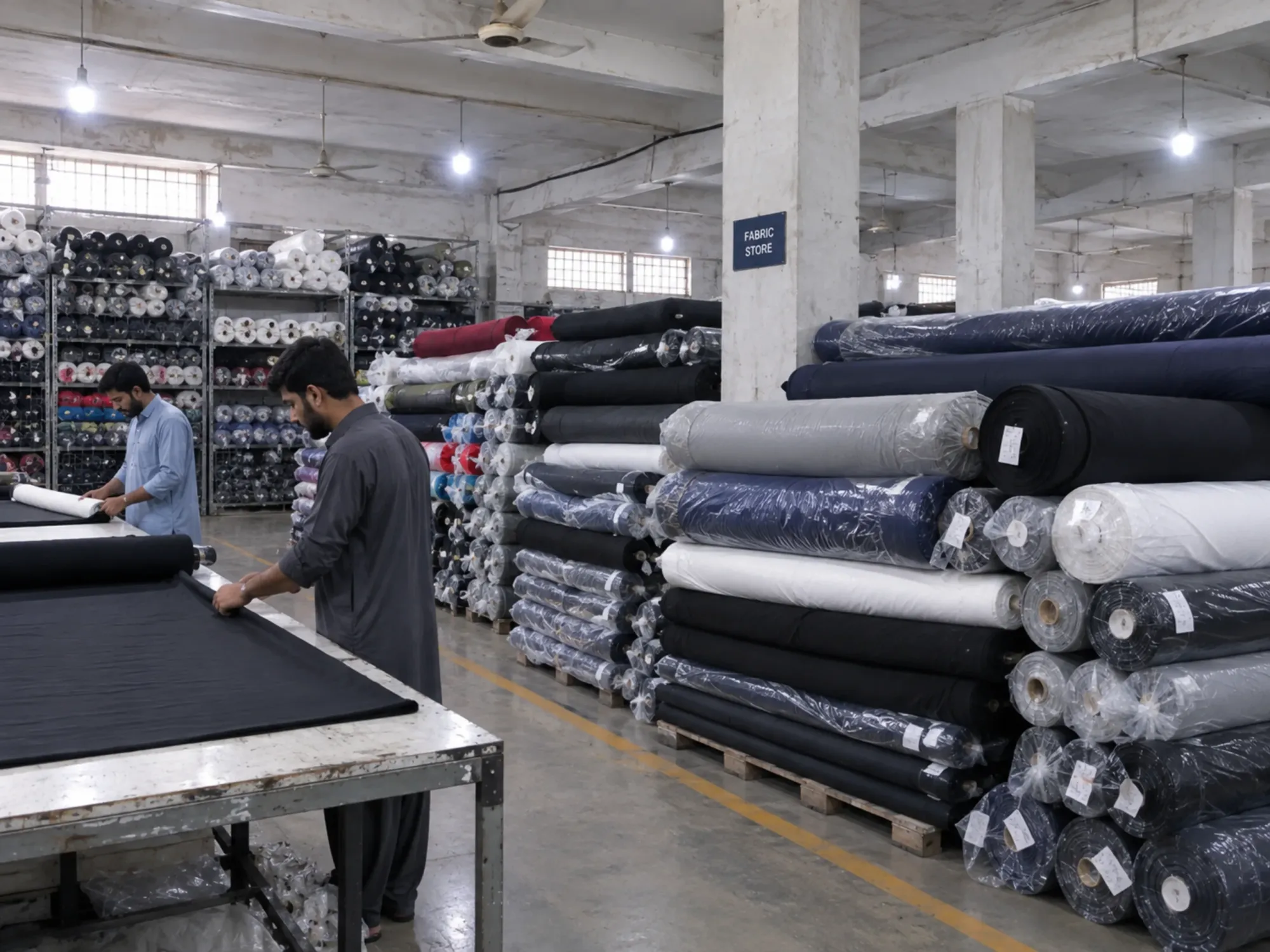
Step 2: Choose the Right Fabric
Fabric is one of the most important decisions in sportswear manufacturing.
The wrong material can affect comfort, appearance, durability, and the overall customer experience.
Depending on the product, brands may consider factors such as:
- Weight
- Stretch
- Breathability
- Softness
- Durability
- Moisture management
- Drying speed
- Surface texture
- Color retention
For example, activewear designed for intense exercise may require lightweight and breathable fabric, while casual sports-inspired clothing may prioritize softness and appearance.
A good manufacturer should be able to explain the available fabric options and help match materials with the intended use of the garment.
Step 3: Prepare Your Design
Once the product and fabric requirements are understood, the design needs to be prepared for production.
A design may include:
- Front artwork
- Back artwork
- Side panels
- Sleeve design
- Color combinations
- Logo placement
- Graphics
- Names
- Numbers
- Labels
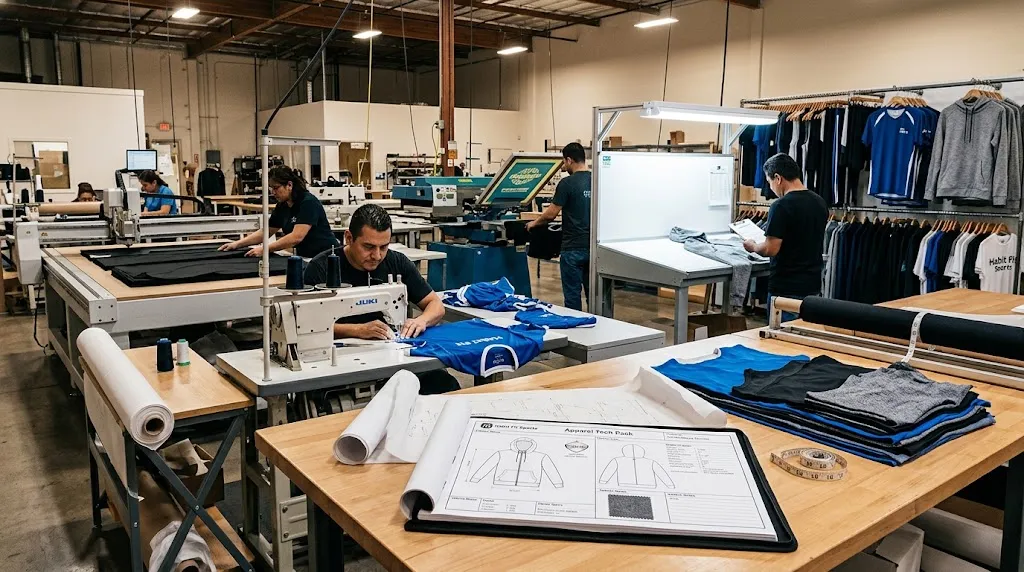
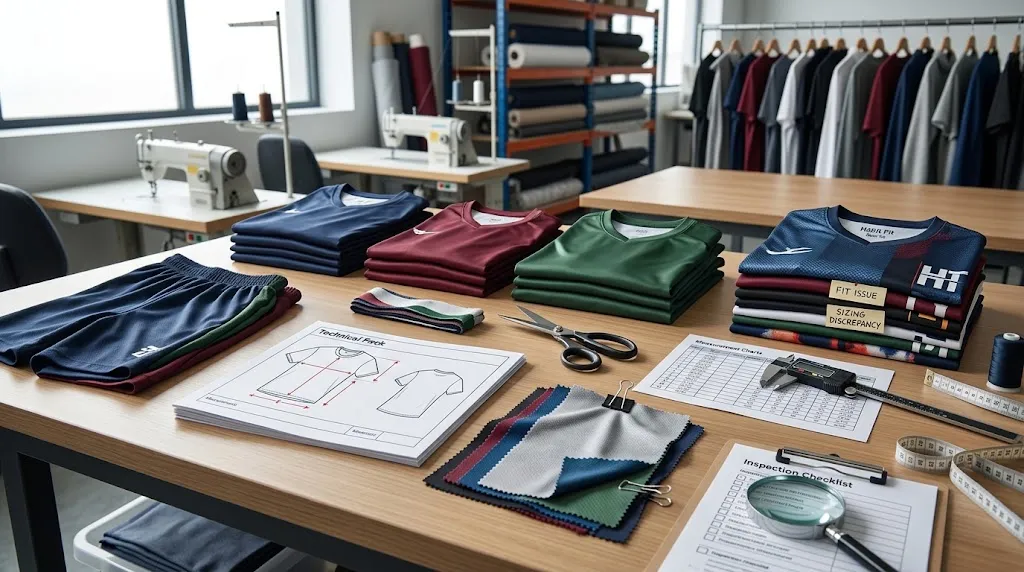
For more complex products, a technical pack can provide detailed production instructions.
A clear design reduces confusion between the brand and manufacturer.
Step 4: Decide How Your Design Will Be Applied
One design can sometimes be produced using different decoration techniques.
The right method depends on the garment, fabric, artwork, quantity, and desired appearance.
Screen Printing
Screen printing is a widely used method for applying graphics to apparel.
It can be suitable for bold designs and larger production runs.
If you are considering this method, you can explore custom screen printing manufacturing to understand how this type of production can be used for branded apparel.
Sublimation Printing
Sublimation is commonly used for sportswear and detailed all-over designs.
The method is particularly useful when a design contains multiple colors, gradients, patterns, or detailed graphics.
Brands producing custom jerseys and performance apparel may find sublimation useful for designs that need extensive coverage.
You can learn more about custom sublimation printing manufacturing when comparing production options.
Embroidery
Embroidery uses thread to create a raised design on the garment.
It is commonly used for logos, brand names, uniforms, jackets, caps, hoodies, and other apparel.
The final appearance can depend on the artwork, stitch density, thread selection, and garment material.
For branded apparel that needs an embroidered finish, custom embroidery manufacturing is another production option to consider.
Direct-to-Film Printing
Direct-to-film, or DTF, is another apparel decoration method.
It can be useful for detailed graphics, logos, colorful artwork, and different types of garments.
Brands interested in this technique can review custom DTF printing manufacturing as part of their production research.
Step 5: Develop a Sample
A sample is one of the most important stages in custom manufacturing.
The first sample allows a brand to see how the design works as an actual garment.
A digital design may look perfect on a screen but appear different when converted into fabric.
During sample review, check:
- Overall appearance
- Measurements
- Fabric
- Stitching
- Print quality
- Logo position
- Colors
- Seams
- Fit
- Finishing
For example, imagine a brand has designed a training shirt with a logo positioned on the chest.
The digital artwork may show the logo exactly where the designer expects it. However, the physical sample may reveal that the logo is too high, too low, too large, or too close to a seam.
It is much easier to correct this during sampling than after bulk production.
Step 6: Test the Fit and Measurements
Sizing should never be treated as a small detail.
Customers expect clothing to fit consistently.
A manufacturer may work with standard size charts or a custom measurement chart supplied by the brand.
Common measurements can include:
- Chest
- Waist
- Hip
- Shoulder
- Sleeve length
- Body length
- Inseam
- Outseam
For performance clothing, fit can be especially important because athletes need freedom of movement.
A brand should review the sample carefully and approve the measurements before bulk production.
Step 7: Approve the Final Sample
Once the sample has been reviewed, the brand should communicate any required changes.
This might involve:
- Changing the fabric
- Adjusting measurements
- Moving a logo
- Changing colors
- Modifying stitching
- Changing the printing method
- Adjusting the design
After the required changes are completed, the final sample can be approved for bulk production.
Clear approval at this stage is important because the bulk order should follow the approved specifications.
Step 8: Plan the Production Quantity
The next step is deciding how many units to manufacture.
Your quantity may depend on:
- Expected demand
- Available budget
- Product variety
- Customer base
- Retail plans
- Online sales
- Team requirements
New brands often need to balance production quantity with financial risk.
Ordering too much inventory can tie up money and storage space. Ordering too little may increase the cost per unit or make it harder to meet customer demand.
Ask the manufacturer about its minimum order quantity and whether different designs, colors, or sizes have separate requirements.
Step 9: Understand MOQ
MOQ means minimum order quantity.
It refers to the smallest quantity a manufacturer is willing to produce for a particular product or production setup.
For example, a manufacturer might have different requirements for:
- One design
- One color
- One fabric
- One printing setup
- One garment style
MOQ is especially important for new brands because they may want to test a product before investing in a large production run.
Always confirm MOQ before finalizing your product specifications.
Step 10: Move Into Bulk Production
Once the design, sample, measurements, fabric, decoration method, and quantity are approved, bulk production can begin.
The exact manufacturing process varies by product, but it may involve:
- Fabric preparation
- Cutting
- Printing or embroidery
- Sewing
- Assembly
- Trimming
- Finishing
- Quality inspection
- Folding
- Packaging
The manufacturer should work according to the approved specifications.
This is why accurate product information at the beginning of the project is so important.
Step 11: Quality Control During Production
Quality control should not happen only after everything is finished.
Manufacturers may inspect products at different stages of production.
Important checks can include:
- Fabric defects
- Stitching
- Measurements
- Color consistency
- Print alignment
- Embroidery
- Logo placement
- Seams
- Finishing
For a clothing brand, consistency matters because customers expect the same product quality when they order again.
A single defective garment may be manageable. A large batch with the same defect can create a much bigger problem.
Step 12: Branding and Private Labeling
Custom manufacturing can also allow brands to add their own identity to products.
Depending on the manufacturer's capabilities, branding may include:
- Neck labels
- Woven labels
- Printed labels
- Hang tags
- Care labels
- Packaging
- Stickers
- Custom bags
This can help transform a generic garment into a product that belongs to a specific brand.
For example, a customer buying a hoodie from a new streetwear company expects the product to look and feel like that company's own product, rather than an unbranded factory garment.
Step 13: Packaging Matters Too
Packaging is sometimes overlooked during product development.
However, packaging is part of the customer's first experience with the product.
Depending on the business model, a brand may need:
- Individual polybags
- Size stickers
- Branded packaging
- Hang tags
- Care instructions
- Shipping cartons
If the products are being shipped directly to customers, packaging can also help protect garments during transportation.
Discuss packaging requirements with the manufacturer before production begins.
Step 14: Consider International Shipping
Many sportswear brands work with overseas manufacturers.
If your manufacturer is located in another country, shipping and customs should be considered during planning.
Ask about:
- Shipping methods
- Estimated shipping time
- Tracking
- Packaging
- Commercial documentation
- Customs requirements
- Import duties
Do not calculate your product cost using only the factory price.
Your final landed cost may also include shipping, taxes, customs charges, packaging, and other expenses.
Step 15: Calculate Your Real Product Cost
A common mistake for new clothing brands is focusing only on the manufacturing price.
Your actual cost may include:
Manufacturing + decoration + packaging + shipping + customs + other production expenses
For example, if a shirt costs $8 to manufacture but another $3 is spent on packaging and shipping, the actual cost is not simply $8.
Understanding the complete cost helps you set realistic retail prices and protect your profit margin.
Step 16: Choose a Manufacturer for Long-Term Production
If your brand is successful, you may need repeat orders.
This makes consistency important.
A good manufacturing relationship can become easier over time because the manufacturer becomes familiar with your:
- Product specifications
- Fabric choices
- Size charts
- Branding
- Packaging
- Decoration requirements
- Quality standards
Before selecting a manufacturing partner, review its product range and capabilities carefully.
Habit Fit Sports is a Sialkot, Pakistan-based manufacturer and supplier serving custom sportswear, activewear, streetwear, and workwear requirements.
Brands can review its individual production capabilities, including screen printing, sublimation, embroidery, and DTF printing.
Common Mistakes to Avoid
Ordering Large Quantities Without Sampling
A large order should not normally be the first time you see the physical product.
Approve a sample first so you can identify design, fit, material, or decoration issues.
Choosing Only on Price
A lower manufacturing price does not automatically mean better value.
Consider quality, consistency, communication, production capacity, and delivery as well.
Providing Incomplete Specifications
A manufacturer cannot accurately produce a product if important details are missing.
Give clear information about sizes, fabrics, colors, artwork, decoration, quantity, and packaging.
Ignoring Shipping Costs
A factory quote is not always the final cost of getting products into your warehouse.
Calculate shipping and other applicable expenses before setting your retail price.
Changing the Design During Production
Major design changes after bulk production has started can create delays, additional costs, or inconsistencies.
Finalize the specifications before approving production.
A Simple Custom Sportswear Manufacturing Checklist
Before placing your order, make sure you have confirmed:
- Product type
- Target customer
- Fabric
- Color
- Size chart
- Measurements
- Artwork
- Logo placement
- Printing or embroidery method
- Labels
- Packaging
- Sample
- MOQ
- Bulk quantity
- Quality-control process
- Production timeline
- Shipping method
- Total estimated cost
This checklist can help prevent common production problems.
Final Thoughts
Custom sportswear manufacturing gives clothing brands greater control over the products they sell. From fabric and sizing to printing, embroidery, branding, packaging, and production quantity, almost every part of the garment can be planned around the brand's requirements.
The process becomes much easier when you start with a clear product idea, select the right materials, prepare accurate specifications, approve a physical sample, and maintain clear communication with your manufacturer.
Whether you are building a new activewear company, developing custom team uniforms, expanding a streetwear collection, or creating branded gym apparel, choosing the right manufacturing process can have a direct impact on the final product.
For brands exploring custom apparel production, Habit Fit Sports provides manufacturing services across different apparel and decoration requirements, including screen printing, sublimation printing, embroidery, and direct-to-film printing.





















Sign in to leave a comment.