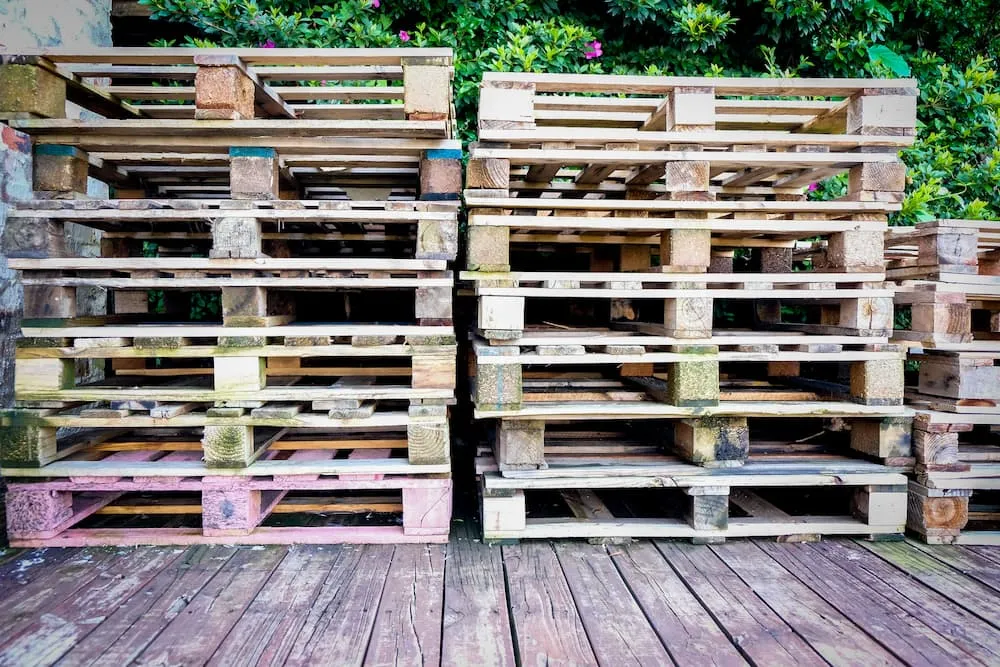

Safe shipping depends heavily on how products are supported, positioned, and protected throughout handling, storage, and transportation. A pallet serves as the foundation for many shipments, helping keep cartons stable while reducing direct contact with floors and handling equipment. When products have unusual dimensions, specific weight requirements, or delicate packaging, custom wood pallets can provide a more suitable foundation than standard sizes. Their tailored construction can improve load balance, support stacking, and reduce unnecessary movement, giving businesses a practical way to strengthen protection from the warehouse to the final delivery point.
Better Fit for Different Product Sizes
Products vary greatly in length, width, height, shape, and weight, which means a universal pallet may not always provide the best support. A tailored pallet can be built around the footprint of the shipment, allowing the load to sit securely without excessive overhang or unused space. Better alignment can reduce shifting during movement and make the entire unit easier to stabilize with appropriate wrapping or strapping. This customized fit is especially valuable for large, irregular, or fragile items that require a dependable base designed around their specific shipping characteristics.
Stronger Support for Heavy Loads
Heavy products place greater demands on the pallet beneath them. Weak points, uneven weight distribution, or unsuitable board spacing can create instability and increase the chance of structural failure. A properly planned wooden pallet can use suitable materials and construction methods to support the expected load more effectively. Reinforced areas can also help distribute pressure across the deck and supporting components. By considering product weight before construction, businesses can create a shipping foundation that offers greater stability while reducing unnecessary stress on packaging and helping protect products during loading, transit, and unloading.
Reducing Movement During Transportation
Movement inside a shipping unit can create repeated impacts, friction, and pressure that gradually damage products or packaging. A pallet designed for the dimensions of a particular load can help keep items positioned consistently, especially when combined with suitable wrapping, straps, corner protection, or other securing methods. A stable base also helps the shipment remain balanced when it is lifted by forklifts or pallet jacks. Reducing unwanted movement can therefore contribute to fewer crushed cartons, shifted products, and damaged edges, helping maintain the condition of goods throughout transportation and storage.
Supporting Safer Stacking
Many shipments are stacked during warehousing or transportation, making vertical stability an important consideration. A pallet with suitable dimensions and a dependable deck can provide a more stable foundation for cartons and containers. When the pallet supports the load evenly, the shipment can be arranged with fewer unstable gaps or excessive overhangs. Proper pallet selection also helps workers create more predictable stacks, reducing the likelihood of leaning or shifting units. Although stacking requirements vary by product, a purpose designed wooden base can contribute to better organization and more secure handling throughout the supply chain.
Protecting Packaging From Handling Stress
Shipping damage does not always occur because of a major accident. Repeated contact with warehouse floors, lifting equipment, rough surfaces, and neighboring loads can gradually affect packaging. A suitable pallet creates separation between the shipment and the ground, while providing a structured base for movement with material handling equipment. Proper construction can also reduce unwanted flexing beneath the load. By giving packaging a stable platform, a well matched pallet can help limit abrasion, compression, moisture exposure from surfaces, and other common sources of wear that may affect products before they reach customers.
Improving Forklift and Pallet Jack Handling
Handling equipment interacts directly with pallet openings, deck boards, and supporting components. If those features are poorly matched to equipment or load requirements, lifting can become less stable and may place unnecessary stress on the shipment. A purpose built pallet can incorporate appropriate entry points and structural support for expected handling methods. This can make lifting more predictable and reduce sudden movement during transfers. Better equipment compatibility also supports efficient warehouse operations because workers can position, move, and store loads with greater confidence while maintaining a stronger focus on product protection.
Choosing Materials and Construction Carefully
Wood pallets can be constructed with different board thicknesses, spacing arrangements, and support configurations depending on the intended application. Selecting suitable materials requires consideration of product weight, dimensions, handling frequency, storage conditions, and transportation requirements. A pallet designed with these factors in mind can provide an appropriate balance between strength and practical handling. Construction quality also matters because loose boards, weak joints, or damaged components may reduce stability. Careful planning before production helps ensure that the pallet functions as part of the overall packaging system rather than as an afterthought.
Supporting Efficient Load Preparation
A pallet that closely matches a shipment can simplify the process of preparing goods for transportation. Products may be arranged more logically, wrapping can be applied more evenly, and straps or other restraints can be positioned with greater consistency. A well organized unit can also make identification and handling easier once it reaches a warehouse or distribution center. Efficient preparation matters because rushed or uneven loading can create vulnerabilities that become more noticeable during transit. A suitable pallet provides a dependable starting point for building a stable shipping unit from the beginning.
Customization Can Reduce Unnecessary Space
Standard pallet sizes may leave unused areas around certain products or require packaging to extend beyond the pallet footprint. A tailored wooden pallet can be sized more closely to the shipment, helping businesses use available space more effectively. Better dimensional alignment may also reduce product overhang, which can expose edges to impacts during handling. While transportation space must still be planned according to vehicle and warehouse requirements, a pallet that fits the load can support more organized packing. This can contribute to better protection while helping businesses manage space throughout storage and distribution operations.
Conclusion
Product protection begins before a shipment leaves the warehouse, and the pallet beneath the load plays an important role in that preparation. A properly designed wooden pallet can provide stronger support, better dimensional fit, improved handling, and greater stability during storage and transportation. These advantages can help reduce movement, packaging stress, and handling related damage when the pallet is matched carefully to the shipment. For businesses seeking a dependable approach to shipping protection, Pallets 2 Go can provide custom wood pallet solutions designed to support safer, more organized, and more reliable product movement.



























Sign in to leave a comment.