

If you've been diagnosed with prostate cancer, you've probably been handed a lot of options and even more unfamiliar terms. Radiation therapy is one of the most common treatments, and it isn't one-size-fits-all. Two approaches often come up in conversation: traditional external beam radiation and CyberKnife radiation for prostate cancer. Here is how they compare, so you can go into your next appointment with better questions.
What Is Traditional Radiation Therapy?
Traditional external beam radiation therapy (EBRT), including techniques like IMRT (intensity-modulated radiation therapy), delivers radiation to the prostate from outside the body using a linear accelerator. The dose is divided into many small daily treatments, called fractions.
A typical course runs 20 to 45 sessions over four to nine weeks, with treatments given five days a week. The approach is well established and backed by decades of data.
What Is CyberKnife Treatment?
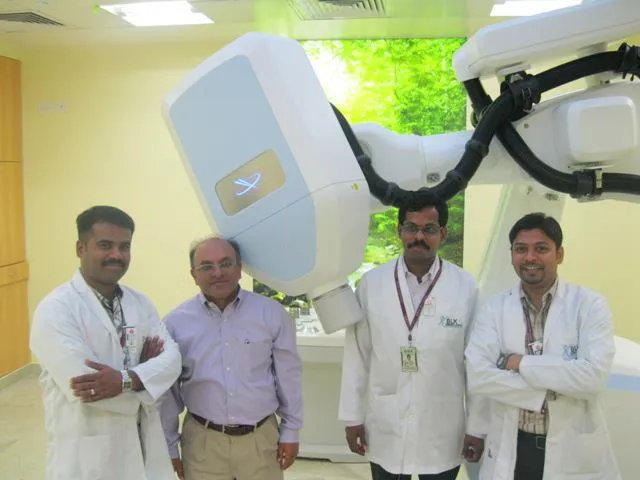
Despite the name, CyberKnife involves no cutting. CyberKnife treatment is a form of stereotactic body radiation therapy (SBRT). A compact linear accelerator mounted on a robotic arm delivers highly focused radiation beams from many angles, concentrating a high dose on the prostate while limiting exposure to surrounding tissue.
Because each dose is stronger and more precise, the whole course is usually completed in just five sessions, typically over one to two weeks.
Key Differences at a Glance
1. Treatment Length
This is the difference patients notice first. Traditional radiation can mean weeks of daily trips to the clinic. CyberKnife radiation for prostate cancer condenses treatment into about five visits, which can mean less time off work, less travel, and less disruption to daily life.
2. Precision and Tracking
The prostate isn't perfectly still. It can shift with breathing, bladder filling, and bowel activity. CyberKnife uses small gold markers (fiducials) placed in or near the prostate, along with imaging during treatment, to track the target and adjust the beam in real time. Modern conventional systems also use image guidance, but the robotic tracking of CyberKnife is a major part of what makes such high doses per session possible.
3. Radiation Dose per Session
Traditional radiation uses small doses over many days. CyberKnife uses larger doses over few days. This is called hypofractionation, and it takes advantage of how prostate cancer cells respond to radiation.
4. Effectiveness
Research on SBRT for low- and intermediate-risk prostate cancer is encouraging. Clinical trials, including the PACE-B trial, have found that five-fraction SBRT achieves cancer control rates comparable to conventional and moderately hypofractionated radiation over several years of follow-up. Long-term data continues to accumulate, and conventional radiation still has the longest track record.
5. Side Effects
Both approaches can cause side effects, and studies generally show similar overall rates. Common ones include:
- Urinary: frequent urination, urgency, or burning, usually temporary
- Bowel: looser stools or rectal irritation
- Sexual function: erectile difficulties that can develop gradually over time
- Fatigue: usually mild
Some studies report slightly higher short-term urinary symptoms with SBRT, while others find little difference. Your individual risk depends on prostate size, existing urinary symptoms, prior treatments, and the specific plan your team designs.
Who Might Be a Good Candidate for CyberKnife?
CyberKnife is most commonly used for men with low- or intermediate-risk, localized prostate cancer. It is sometimes considered for select higher-risk cases, often combined with hormone therapy. Doctors typically weigh:
- Cancer stage and Gleason score
- PSA level
- Prostate size
- Current urinary function
- Overall health and personal preferences
Some patients, for instance those with a very large prostate or significant urinary problems, may be steered toward another option. That is why a personalized evaluation matters.
Which Option Is Right for You?
Neither approach is universally better. Traditional radiation offers a long history of data and wide availability. CyberKnife offers convenience, precision, and a much shorter schedule, with strong early and mid-term results for the right patients.
Questions worth asking your care team:
- Am I a good candidate for CyberKnife treatment, or would conventional radiation suit me better?
- What results have you seen with this technique in patients like me?
- What side effects should I expect, and how are they managed?
- Will I need fiducial marker placement or hormone therapy?
- How does each option affect my ability to have surgery or other treatment later, if needed?
The Bottom Line
Both traditional radiation and CyberKnife radiation for prostate cancer are effective, non-invasive ways to treat localized disease. The right choice depends on your cancer's characteristics, your health, and what matters most to you. Talk with a radiation oncologist, and consider a second opinion, before deciding.
























Sign in to leave a comment.