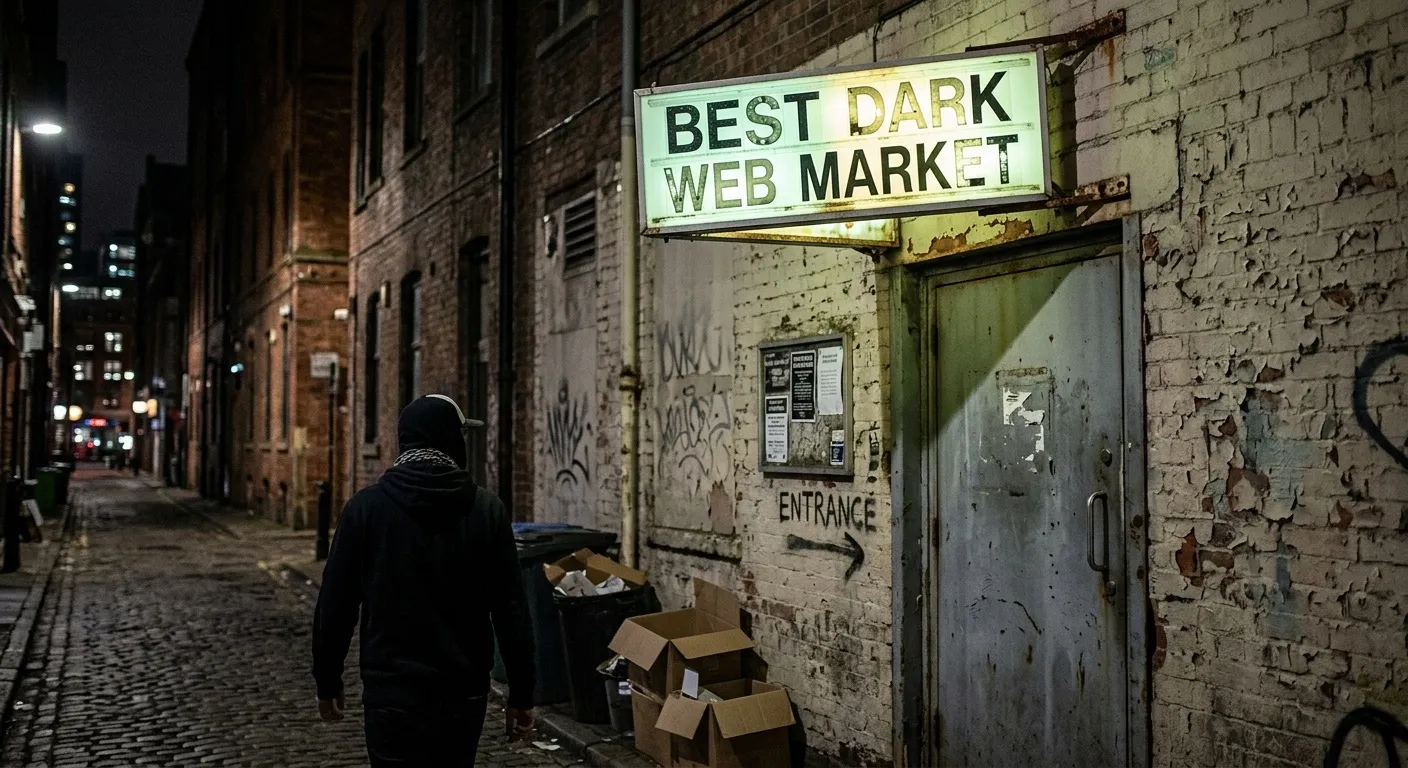

The internet is much larger than the websites people visit every day. Beyond search engines, social media platforms, and public websites exists a less visible part of the internet commonly known as the dark web. One topic that frequently attracts attention is dark web markets, which are online platforms designed to operate within privacy-focused networks. Understanding how these markets work, their risks, and the broader cybersecurity concerns surrounding them can help users make safer decisions online.
What Are Dark Web Markets?
Dark web markets are online marketplaces hosted on networks that are not normally indexed by traditional search engines. Unlike conventional e-commerce websites, these platforms have historically emphasized anonymity and privacy.
While the dark web itself is not automatically illegal, some marketplaces have been associated with criminal activity, including the sale of prohibited goods, stolen information, fraudulent services, and other unlawful products. As a result, dark web markets have become an important subject for cybersecurity researchers, law-enforcement agencies, and internet users.
It is important to distinguish between the dark web and illegal activity. Privacy-focused technologies can have legitimate uses, including protecting journalists, whistleblowers, researchers, and individuals living under restrictive internet environments.
Why Do Dark Web Markets Exist?
Privacy is one of the primary characteristics associated with dark web marketplaces. Technologies that conceal users' identities and locations can make it more difficult to determine who operates a particular website or communicates through it.
Criminal organizations may attempt to exploit these privacy features. However, anonymity on the dark web is not guaranteed. Investigators have repeatedly demonstrated that technical mistakes, operational security failures, financial transactions, and other digital evidence can help identify individuals involved in illegal activities.
This is why visiting or interacting with suspicious marketplaces can expose users to significant cybersecurity and legal risks.
Major Risks Associated With Dark Web Markets
One of the biggest concerns surrounding dark web markets is cybersecurity. Users may encounter malicious websites, phishing campaigns, malware, scams, and stolen credentials.
Financial fraud is another major concern. Some marketplaces may disappear after collecting payments, leaving users with no products or services. Others may intentionally distribute fraudulent information or attempt to steal cryptocurrency and personal data.
There are also serious legal consequences. Purchasing, selling, or facilitating transactions involving illegal goods or services can violate laws depending on the user's jurisdiction. Law-enforcement agencies monitor many forms of online criminal activity, meaning users should not assume that dark web activity is completely anonymous.
Dark Web Markets and Cybersecurity Research
Despite their negative reputation, dark web markets are also studied by cybersecurity professionals. Security researchers monitor underground communities to understand emerging threats and identify compromised information.
For example, researchers may analyze discussions involving stolen credentials, ransomware operations, data breaches, or fraudulent campaigns. This intelligence can help organizations improve security systems and respond to threats before they become larger problems.
Businesses can use threat intelligence to identify whether their corporate credentials or sensitive information have appeared in underground communities. Early detection can support password resets, account protection, incident response, and broader cybersecurity improvements.
How Can Internet Users Stay Safe?
Most users do not need to access dark web markets to benefit from understanding their risks. Strong cybersecurity practices can significantly reduce exposure to many online threats.
Use unique passwords for important accounts and enable multi-factor authentication whenever possible. Keep operating systems, browsers, and security software updated. Avoid clicking suspicious links or downloading unknown files.
Organizations should also provide cybersecurity awareness training and maintain appropriate monitoring systems. Regular backups, access controls, encryption, and incident-response plans can help reduce the potential impact of cyberattacks.
The Future of Dark Web Markets
The landscape surrounding dark web markets continues to change. Marketplaces can disappear, reappear under different names, or migrate between infrastructure and networks. At the same time, cybersecurity companies and law-enforcement agencies continue developing new methods for detecting and investigating illegal online activity.
For ordinary internet users, the most valuable approach is education rather than exploration. Understanding how underground marketplaces operate and recognizing the risks associated with them can encourage better digital security habits.
Conclusion
Dark web markets represent one of the more complex areas of the modern internet. Although privacy-focused networks can provide legitimate benefits, underground marketplaces have also been connected with serious criminal and cybersecurity threats. Users should understand that anonymity is never guaranteed and that illegal transactions can carry significant consequences.
By learning about these risks, practicing strong cybersecurity habits, and staying informed about emerging online threats, individuals and businesses can better protect their information in an increasingly connected digital world.























Sign in to leave a comment.