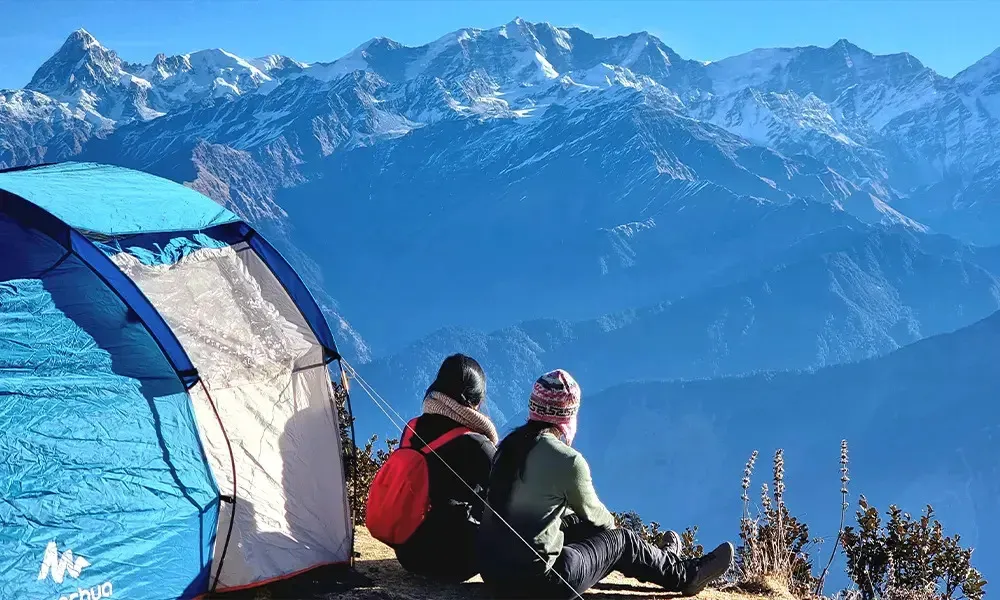

The Dayara Bugyal Trek is one of those Himalayan journeys where the same trail can feel completely different depending on when you visit.
Come in winter, and the wide meadows can disappear under a blanket of snow. Visit in spring, and you may find fresh greenery, flowers and leftover snow on the higher sections. Summer brings open, bright meadows, while autumn is known for crisp mountain air and clearer Himalayan views.
So, when is the best time for the Dayara Bugyal Trek?
The honest answer is: it depends on what you want to experience.

If snowfall is your priority, winter is the obvious choice. If you want flowers and comfortable trekking conditions, spring and early summer are attractive. For sharp mountain views and photography, post-monsoon autumn is hard to beat. The monsoon, however, is the season when planning a different trek is usually the wiser decision.
Why Season Matters So Much on the Dayara Bugyal Trek
Dayara Bugyal is famous for its large alpine meadows, forest trails and views of Himalayan peaks including Bandarpoonch and the surrounding ranges.
But these landscapes don't remain the same throughout the year.
The trail's character changes with temperature, snowfall, rainfall, vegetation and visibility. Even the difficulty you feel under your feet can be different from one season to another.
For example, Dayara is considered a beginner-friendly trek, but winter snow can increase the physical difficulty. In summer, the absence of snow generally makes the trail easier to walk.
That is why choosing your dates should be part of your trek preparation—not an afterthought.
Dayara Bugyal Trek in Winter: For Those Who Want Snow
December to February is the season most people associate with the classic snow-covered Dayara experience.
The meadows transform into a huge white landscape, and the pine forests can look completely different after fresh snowfall. December and January are particularly attractive for trekkers specifically looking for a proper snow experience.
What does winter actually feel like?
During the daytime, walking can be surprisingly comfortable when the sun is out. The real challenge comes from the cold mornings, evenings and nights.
At higher camps, temperatures can fall well below freezing. Current trekking guidance places winter daytime temperatures roughly around 8–12°C, while nights at higher camps can fall to around -7°C to -8°C or lower depending on conditions.
So don't make the common mistake of thinking:
"It's a beginner trek, so winter will also be easy."
The trail may be technically straightforward, but snow changes the walking experience.
You may need to:

- Walk carefully on soft or compacted snow
- Keep your feet dry and warm
- Carry proper winter layers
- Start early in cold conditions
- Follow the trek leader's instructions closely
Who should choose winter?
Choose the Dayara Bugyal winter trek if your priority is:
- Snow-covered meadows
- A genuine Himalayan winter experience
- Snow photography
- Cold-weather camping
- A beginner-friendly introduction to snow trekking
If you have never experienced a Himalayan winter trek before, Dayara can be a good introduction—but proper clothing and preparation are still essential.
Spring at Dayara Bugyal: Snow, Flowers and Fresh Greenery
Mid-March to April is one of the most interesting periods on the trail.
Why?
Because the landscape is in transition.
Winter has not completely disappeared from the higher reaches, while the lower sections are beginning to turn green. Small flowers start appearing, and rhododendrons add colour to the forest.
The upper meadows can still hold snow into April, creating a beautiful combination of snow patches, green grass and early-season flowers.
This is a particularly good choice for trekkers who don't want a completely snow-covered trail but still want to experience some remnants of winter.

What makes spring different?
Spring gives you variety.
One section may feel like winter, while another already feels like the beginning of summer. The temperatures are also more manageable than deep winter, although nights remain cold.
For travellers from warmer parts of India, don't underestimate the night temperature. Carry proper warm layers even if the daytime weather feels pleasant.
Dayara Bugyal in Summer: Green Meadows and Comfortable Trails
May and June bring a completely different Dayara Bugyal.
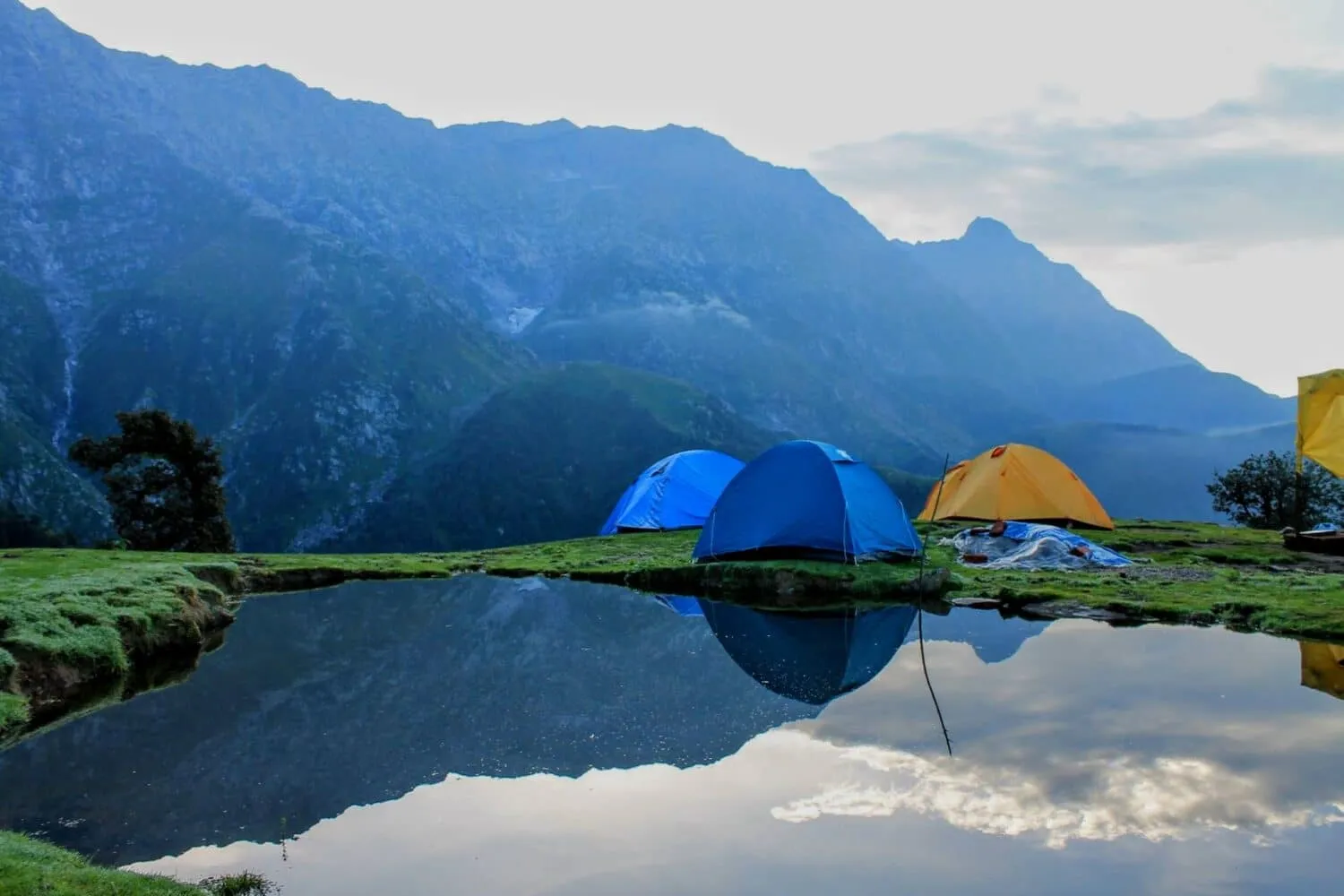
The snow retreats and the famous meadows become lush green. During the flowering period, yellow, violet and white flowers can appear across the grasslands.
This is when you get the classic green meadow Himalayan trek experience.
The trail is also generally easier compared with winter because snow and ice are no longer major factors.
Current trail information puts daytime temperatures around 18–20°C, with cooler nights.
Is summer good for first-time trekkers?
Yes.
For someone searching for a beginner-friendly Himalayan trek with green meadows, Dayara in summer is a strong option.
The longer daylight hours are useful, the trail is generally more straightforward to walk, and you don't have to manage heavy winter clothing or deep snow.
Families and first-time trekkers may particularly appreciate this season.
One thing to remember: warmer weather doesn't mean you can ignore the sun. At altitude, sunscreen, sunglasses, hydration and a cap are still important.
Dayara Bugyal During Monsoon: Why You Should Think Twice
July to mid-September is the period to approach carefully.
The problem isn't simply rain.
Dayara's open meadows provide limited shelter during sudden rain or thunderstorms. On an exposed Himalayan trail, getting caught outside during poor weather can become a safety concern. Indiahikes currently recommends avoiding the trek during the monsoon because of the combination of heavy rain, thunderstorms and lightning risk.
The practical advice is simple:
Don't choose Dayara just because you found a cheaper monsoon departure.
A Himalayan trek should be planned around trail safety and weather—not only availability or price.
If your dates fall in July or August, consider shifting your trek to another season.
Dayara Bugyal in Autumn: The Season for Clear Mountain Views
After the monsoon withdraws, Dayara changes once again.
Mid-September to November is the post-monsoon and autumn window, and this is arguably one of the most rewarding seasons for mountain views.
The air becomes crisp. The skies are often clearer, and the visibility across the Himalayan ranges can be excellent. The green landscape gradually takes on golden shades, while the forest can display autumn colours.
For photographers, this season has a special advantage.
You get:
- Golden meadows
- Clear blue skies
- Sharper mountain silhouettes
- Autumn colours in the forest
- Pleasant trekking temperatures
If your main goal is clear Himalayan views rather than snowfall, autumn should be high on your list.
Which Season Is Best for the Dayara Bugyal Trek?
Instead of giving everyone the same answer, here's a more useful way to choose:
| What you want | Best season |
| Heavy snow experience | December–January |
| Winter trek and snowfall | December–February |
| Snow + flowers combination | March–April |
| Green meadows and flowers | May–June |
| Easier trail conditions | May–June |
| Clear Himalayan views | September–October |
| Golden meadows and autumn colours | October–November |
| Monsoon trekking | Not recommended |
These periods are indicative rather than a guarantee. Mountain weather can change from year to year, so always confirm current trail conditions before departure.
What Should You Pack According to the Season?
Your Dayara Bugyal Trek packing list should change with the weather.
For winter
Carry serious insulation:
- Thermal base layers
- Fleece
- Down or insulated jacket
- Waterproof outer layer
- Warm gloves
- Woollen cap
- Thick trekking socks
- Good-grip trekking shoes
Don't rely on a single heavy jacket. Layering gives you much better control while walking.
For spring and autumn
Carry a flexible layering system.
A fleece, warm jacket and waterproof shell are useful because temperatures can change quickly, particularly around sunrise, sunset and during sudden weather changes.
For summer
Your backpack can be lighter, but don't skip:
- Sunscreen
- Sunglasses
- Cap
- Light fleece
- Rain protection
- Reusable water bottle
- Basic first-aid supplies
Even in summer, Himalayan nights can be cold.
A Common Mistake: Choosing the Season Only for Photos
Instagram can make every season look perfect.
But your priorities should come first.
If you are travelling with children or taking your first Himalayan trek, you may prefer the relatively easier summer conditions.
If you have already trekked before and specifically want snow, winter can offer a completely different challenge.
If photography and mountain visibility matter most, post-monsoon autumn may suit you better.
In other words, don't ask only:
"When is Dayara Bugyal most beautiful?"
Ask:
"What kind of Dayara Bugyal experience do I actually want?"
That small change in thinking can make your trek much more enjoyable.
How to Prepare for the Dayara Bugyal Trek
Dayara Bugyal is often described as beginner-friendly, but beginner-friendly does not mean preparation-free.
Before your trek, build basic cardiovascular endurance through brisk walking, jogging, cycling or stair climbing.
For Indian travellers who don't regularly exercise, even 30–45 minutes of consistent walking or cardio can make a noticeable difference when done regularly before the trek.
Also practise walking with the shoes and backpack you intend to use.
This helps identify problems such as:
- Shoe discomfort
- Shoulder pressure
- Backpack fit
- Sock friction
- Lack of stamina
Fixing these things before reaching the mountains is much easier than fixing them on the trail.
What Makes Dayara Bugyal Special in Every Season?
The real beauty of Dayara isn't limited to snow.
It is the transformation.
Winter gives you white meadows.
Spring gives you the meeting point of snow and new greenery.
Summer brings open grasslands and flowers.
Autumn gives you golden landscapes and crisp mountain views.
That seasonal transformation is exactly why many trekkers return to Dayara Bugyal after experiencing it once. The route may be familiar, but the mountain doesn't look the same.
Final Verdict: When Should You Book Your Dayara Bugyal Trek?
If you want snow, target December to February.
If you want flowers, greenery and comfortable trekking, consider May and June.
If you want clear skies, golden meadows and strong mountain views, September to November is an excellent window.
And if your dates fall in the monsoon, it is better to wait.
The best time for the Dayara Bugyal Trek is ultimately the season that matches your expectations, fitness level and comfort with mountain weather.
At Madtrek, we believe a good Himalayan experience starts before you reach the base camp. Knowing what the trail will look like, understanding the weather and preparing for the conditions can make the difference between simply completing a trek and genuinely enjoying it.























Sign in to leave a comment.