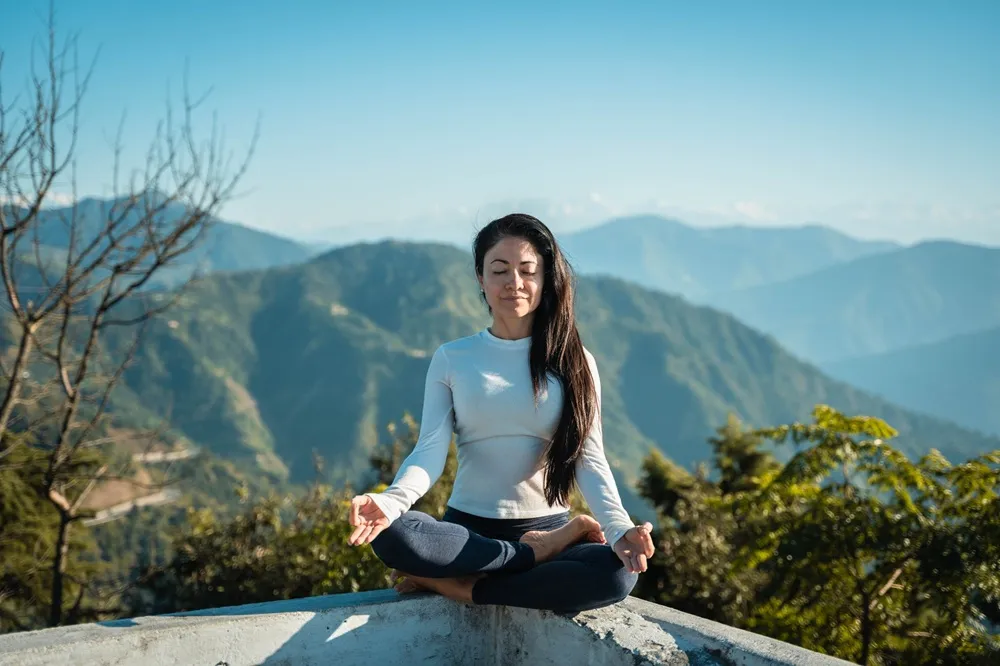

Deep breathing is something most people already do without thinking about it. But when the day becomes busy, breathing can become faster, less regular, or something you barely notice.
Taking a few minutes to pay attention to your breath can create a simple pause in your routine.
The keyword “deep breathing exercises” has meaningful search demand, with one current SEO dataset reporting around 8,100 monthly searches. Related breathing terms also show continued search interest across current keyword datasets.
But deep breathing does not mean taking the biggest breath possible. It is more useful to think of it as slow, comfortable, conscious breathing.
What Are Deep Breathing Exercises?
Deep breathing exercises are practices where you deliberately pay attention to the way you inhale and exhale.
Depending on the technique, you may focus on:
- Breathing slowly
- Moving the abdomen naturally as you breathe
- Making the exhalation longer
- Following a breathing count
- Paying attention to each breath
- Relaxing the body while breathing
There is no need to force your lungs to take in as much air as possible.
A comfortable breath is more important than a very deep one.
How to Practice Deep Breathing
You can practice a simple breathing exercise while sitting or lying down.
Follow these steps:
- Find a comfortable position.
- Relax your shoulders and jaw.
- Place one hand on your chest and the other on your abdomen.
- Breathe in gently through your nose.
- Allow your abdomen to move naturally as you inhale.
- Breathe out slowly without forcing the exhalation.
- Continue for a few minutes.
- Return to normal breathing when you finish.
Try to keep your body relaxed throughout the practice.
If your mind wanders, simply bring your attention back to your breathing.
Why Do People Practice Deep Breathing?
People use controlled breathing for different reasons.
It can be included in:
- Relaxation routines
- Yoga practices
- Meditation
- Stress management
- Short breaks during work
- Bedtime routines
- Mindfulness practices
Research has examined slow and controlled breathing in relation to stress and anxiety, although results vary depending on the technique and the outcome being studied.
So it is better to think of deep breathing as one simple relaxation tool, rather than something that guarantees a particular health result.
Deep Breathing During a Busy Workday
You do not have to wait until the end of the day to practice.
A short breathing break can fit between two tasks.
For example:
- Before starting work: Take a few quiet breaths before opening your laptop.
- After a difficult task: Step away from your screen and spend a few minutes breathing comfortably.
- During a busy afternoon: Use your normal break to sit somewhere quiet and focus on your breath.
- Before an important meeting: Take a moment to settle yourself rather than immediately moving from one task to another.
These small pauses can make breathing practice easier to maintain because they do not require a separate hour in your schedule.
Deep Breathing and Yoga
Breathing has an important place in yoga.
Yoga practices can combine physical postures, breathing, concentration, and meditation. Pranayama specifically refers to traditional yogic practices involving conscious regulation of the breath.
Simple deep breathing and pranayama should not automatically be treated as the same thing.
Deep breathing can be a basic breathing exercise, while pranayama includes a wider range of traditional techniques and methods.
If you want to explore traditional yogic breathing, you can learn about five pranayama techniques and how they can become part of a regular yoga practice.
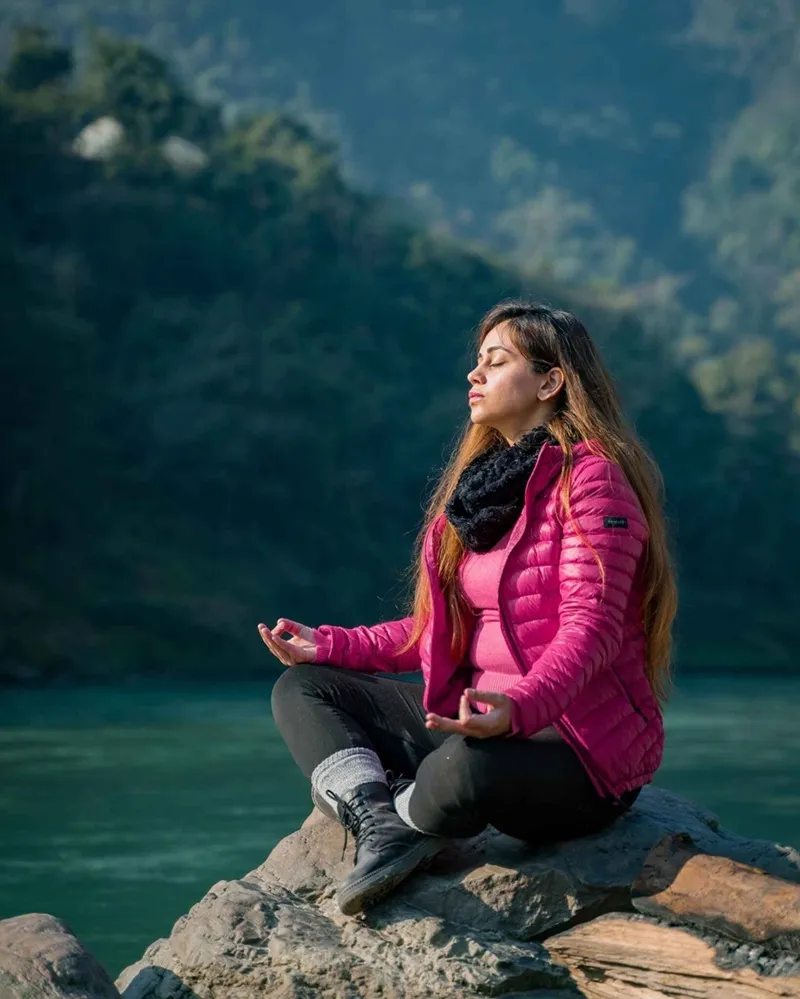
A Simple Breathing Break for Beginners
If you have never practiced breathing exercises before, keep your first session simple.
Try this five-minute routine:
Minute 1: Sit comfortably and allow your breathing to return to its natural rhythm.
Minute 2: Notice how the breath enters and leaves your body.
Minute 3: Start breathing a little more slowly without forcing it.
Minute 4: Pay attention to the movement of your abdomen as you breathe.
Minute 5: Stop controlling the breath and simply observe it.
You do not have to complete the full five minutes if you become uncomfortable.
The aim is to become familiar with your breathing rather than to achieve a particular result.
Common Mistakes to Avoid
Deep breathing sounds easy, but a few common habits can make the practice uncomfortable.
Taking extremely large breaths
A bigger breath is not necessarily a better breath.
Instead, aim for slow and comfortable breathing.
Breathing too quickly
If you try to take several deep breaths very quickly, you may feel light-headed.
Slow down and return to normal breathing if this happens.
Raising your shoulders
Your shoulders do not need to lift dramatically with every inhalation.
Keep your upper body relaxed and allow the breath to move naturally.
Trying to stop every thought
Your mind will wander.
Instead of becoming frustrated, notice the distraction and return your attention to your breathing.
Practicing for too long
You do not need a long session when you are starting.
A few minutes is enough to become familiar with the practice.
When Is the Best Time to Practice?
There is no single time that everyone needs to follow.
You can choose a time that fits naturally into your day:
- Morning: Add breathing after waking up.
- Before work: Use it as a transition into your first task.
- Afternoon: Take a short breathing break.
- Before meditation: Use breathing to settle your attention.
- Evening: Practice while winding down.
- Before bed: Include gentle breathing in your nighttime routine.
Choosing one regular time can make the habit easier to maintain.
How to Make Deep Breathing a Daily Habit
You do not need to completely change your routine.
Instead, connect breathing practice to something you already do.
For example:
After waking → 3 minutes of breathing
After lunch → 3 minutes of breathing
Before work → 5 minutes of breathing
Before bed → 5 minutes of gentle breathing
You can choose just one of these.
The best routine is one that fits your normal schedule and does not feel difficult to maintain.
Deep Breathing and Stress
Stress can affect the way you breathe.
When you feel under pressure, you may notice faster breathing, muscle tension, or increased awareness of your body.
Taking a quiet moment to focus on your breath can provide a simple pause.
During the practice, you can focus on:
- The feeling of inhaling
- The movement of your abdomen
- The length of your exhalation
- The sensation of air leaving your nose
- The movement of your body with each breath
You do not need to push stressful thoughts away.
Simply return your attention to the breathing whenever you notice that your mind has wandered.
What If Deep Breathing Makes You Dizzy?
Some people may feel light-headed when they first try controlled breathing, particularly if they take repeated large breaths or breathe faster than is comfortable.
If this happens:
- Stop the exercise.
- Return to your normal breathing.
- Sit down if needed.
- Wait until you feel comfortable again.
Do not force yourself to continue.
Breathing exercises should not cause significant discomfort.
If you regularly experience shortness of breath, chest pain, fainting, or other concerning symptoms, do not assume that breathing exercises are the appropriate solution. Seek medical advice instead.
Can Deep Breathing Be Used With Meditation?
Yes.
Breathing can be used as an object of attention during meditation.
You can spend a few minutes noticing your breath before beginning meditation, or simply continue observing the breath as part of the meditation itself.
The two practices can complement each other, but they are not identical.
Deep breathing: Usually focuses on consciously changing or observing the breathing pattern.
Meditation: Can involve awareness of the breath, body sensations, thoughts, sounds, or other objects of attention.
This means you can use breathing as a short preparation for meditation without treating the two practices as the same thing.
How Deep Breathing Can Fit Into a Yoga Routine
You can also place breathing practice between different parts of your yoga routine.
A simple session might look like:
- Start with a few minutes of quiet breathing.
- Continue with gentle yoga movements.
- Practice your chosen asanas.
- Finish with relaxation or meditation.
- Return to normal breathing.
The exact routine can change according to your experience and goals.
If you want to move beyond basic deep breathing, exploring different pranayama practices can help you understand the wider role of conscious breathing in traditional yoga.

Final Thoughts
Deep breathing does not need to be complicated.
You can practice it for a few minutes while sitting at your desk, before meditation, during a break, or as part of your evening routine.
Start slowly and keep your breathing comfortable. There is no need to force a very deep breath or follow a difficult pattern.
The most important part is learning to pay attention to your breathing and finding a way to include that practice in your regular routine.
If you later want to explore traditional yoga breathing, pranayama offers a much wider range of practices to learn and understand.
Frequently Asked Questions
What are deep breathing exercises?
Deep breathing exercises involve consciously focusing on your breath, specifically how you inhale and exhale. These practices can include breathing slowly, allowing your abdomen to move naturally, and relaxing your body while you breathe. The aim is to create a comfortable and controlled breathing pattern rather than taking the deepest breath possible.
How can I practice deep breathing effectively?
To practice deep breathing, find a comfortable position, relax your shoulders and jaw, and place one hand on your chest and the other on your abdomen. Inhale gently through your nose, letting your abdomen rise, then exhale slowly without forcing it. Continue this for a few minutes, focusing on keeping your body relaxed and your mind attentive to your breath.
Why is deep breathing beneficial?
Deep breathing can help reduce stress, promote relaxation, and enhance mindfulness. It is used in various practices such as yoga, meditation, and stress management techniques. While it may not guarantee specific health outcomes, it serves as a simple tool to improve your overall sense of well-being.
What should I do if deep breathing makes me dizzy?
If you feel light-headed during deep breathing, stop the exercise and return to your normal breathing. It's important not to force yourself to continue if you feel uncomfortable. If you frequently experience dizziness or other concerning symptoms, consult a medical professional for advice.
Can I incorporate deep breathing into my daily routine?
Yes, you can easily incorporate deep breathing into your daily routine by linking it to existing habits. For example, practice deep breathing for a few minutes after waking up, during lunch breaks, or before bed. The key is to find a consistent time that works for you without feeling like a burden.
Is deep breathing the same as pranayama in yoga?
No, deep breathing and pranayama are not the same. While deep breathing is a basic exercise focused on conscious breathing, pranayama encompasses a broader range of traditional yogic breathing techniques that involve more complex methods of breath control. Both can be beneficial, but they serve different purposes.
When is the best time to practice deep breathing?
There is no one-size-fits-all answer; the best time to practice deep breathing depends on your schedule and personal preference. You can practice it in the morning after waking up, during breaks at work, before meditation, or in the evening as part of your winding down routine.
























Sign in to leave a comment.