

Tension that lingers for weeks rarely comes from one bad night. It usually builds through training blocks, long hours at a desk and everyday stress, until stretching or a lighter massage no longer reaches it. This is where deep tissue massage benefits become relevant. Deep tissue work targets the deeper layers of muscle and connective tissue with slow, firm pressure and focused strokes. Below is a plain look at what that can mean for tension, recovery and movement, and how a specialist studio in Chelsea, New York approaches it.
What Deep Tissue Massage Actually Does
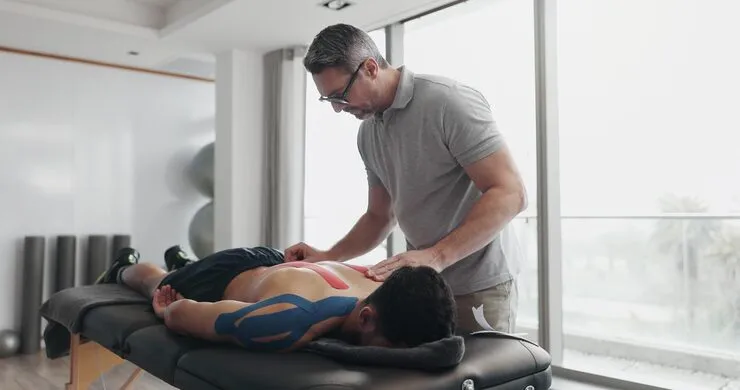
Deep tissue massage is a targeted form of bodywork. It reaches layers that a lighter massage cannot, and it uses sustained pressure on specific muscle groups to help release tightness that has built up over time. The pace is slower and more deliberate than a standard relaxation massage.
The connective tissue around the muscle gets attention too. That matters because tight fascia can limit motion even after the muscle itself has loosened.

Deep Tissue Massage Benefits for Chronic Muscle Tension
Chronic tension is the most common reason people book this treatment. Deep tissue work is typically requested for concerns such as:
- Shoulder and neck tightness that does not ease with stretching alone
- Lower back tension from long training blocks or long hours at a desk
- General tightness that comes from stress or repetitive posture
A session helps address these areas directly instead of easing them for a few hours. Clients often describe shoulder tension that sat there for weeks starting to settle, though results differ from person to person.
How It Supports Recovery
Hard training leaves muscles tired and tight. Deep tissue work is often used for recovery support after intense training or physical activity, and it overlaps with sports massage in many sessions. One tends to focus on releasing tight muscle layers. The other is usually timed around training or competition.
Specialists may also add stretching, cupping or gua sha depending on what the body needs that day. The aim is to help the body recover between sessions rather than follow a script.
How It Can Improve Mobility
Stiffness often has more than one source. Two parts of a session matter most here.
- Myofascial release: This works on the connective tissue wrapped around muscle, which can restrict movement when it tightens from stress, injury or repetitive motion.
- Trigger point therapy: When one spot holds tension that radiates elsewhere, such as a tight upper back feeding into headaches or a tight hip changing how someone walks, working the source can ease the referred tension as well.
When these layers are treated together in one session instead of as separate problems, the work tends to feel more complete. Clients commonly mention that the neck moves without its usual catch and that breathing feels a little deeper afterward. None of this is guaranteed, since every body responds differently.
What Makes a Tailored Session Different
Most descriptions of deep tissue massage sound alike: firm pressure, slow strokes, deeper layers. The real difference lies in how the session is built.
- No fixed 60 minute routine applied to everyone in the same order
- Treatment shaped around the body's condition, training load or recovery goals that day
- Techniques drawn from Swedish, Thai, trigger point therapy, acupressure, reflexology, shiatsu, sports massage and neuromuscular therapy as needed
- Specialists with 15 to 20 years of experience each, trained across Western and Eastern modalities
Who May Benefit
Deep tissue work tends to suit:
- Active individuals and athletes managing training related tightness
- People with desk jobs who carry tension in the neck, shoulders or back
- Clients who already like firmer pressure and want more than a relaxation massage
Anyone newer to bodywork or unsure about pressure can say so at the start. Pressure can change within a session depending on the area, and therapists adjust when asked.
What to Expect Before and After
A session begins with a few questions. During treatment, intensity is normal but pain is not, so speaking up beats pushing through. Some people feel soreness for a day or two, similar to the day after an unfamiliar workout, and it usually fades on its own.
Conclusion
Deep tissue massage can help ease long standing tension, support recovery, and improve how the body moves, especially when the session is shaped around the individual. For anyone in Chelsea or elsewhere in New York dealing with stubborn tightness in the neck, shoulders or back, Mudras Bespoke Therapeutic Massage offers a tailored approach built around what the body needs on the day. Book a session with a specialist at their expert bespoke recovery specialists and discuss which techniques may be appropriate for your goals.
FAQs
Q. Is it normal to feel sore after deep tissue massage?
Yes. Soreness a day or two later is common and usually eases with a little time.
Q. Is deep tissue massage supposed to hurt?
It should feel intense in tight areas, not painful. Holding your breath or tensing up is a sign to tell the therapist.
Q. Can it remove knots permanently?
It can loosen a knot and improve how the area moves. Tension built over months of posture habits or repetitive strain usually needs regular sessions, not just one.
Q. How is deep tissue different from sports massage?
They overlap. Deep tissue works into tight muscle layers, while sports massage is usually timed around training or competition. Many sessions combine both.
Q. Why did I get bruises afterward?
Bruising is not expected. It may mean the pressure went deeper than that area could handle, so mention it at your next visit.





















Sign in to leave a comment.