

People book a massage expecting to relax for an hour, maybe zone out to some quiet music. Deep tissue work however is completely different. It goes past the surface muscle into the layers holding onto tension that hasn't budged in weeks, sometimes longer. So what does that actually mean for your body? If you have been curious about deep tissue massage benefits beyond what the brochures say, here is a real look at what this bodywork tends to do, and who tends to get the most from it.
How Deep Tissue Bodywork Actually Works
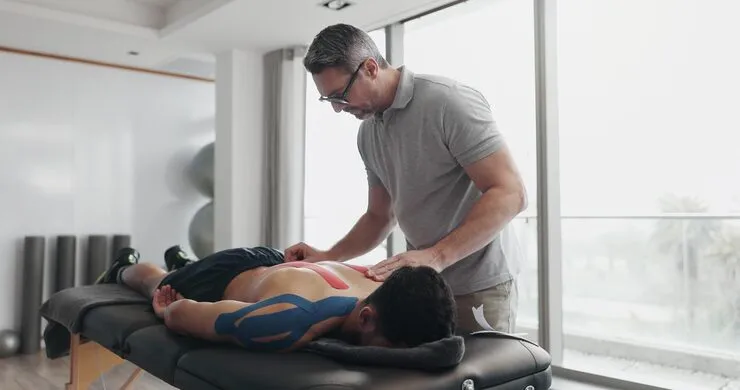
Slow strokes. Steady and firm pressure! That is the short version. Deep tissue massage works through muscle and the connective tissue around it, going after tension that has settled in over time rather than the surface stuff a lighter massage handles fine. Where does that tension come from? Training. Sitting at desk nine hours a day. Carrying stress in the same two or three spots without ever noticing you are doing it.
The pressure is not just cranked up and left there either. A therapist who knows what they are doing reads how your muscles respond in the moment and adjusts. That is honestly why two sessions with the same person can feel completely different from each other.
Benefits of Deep Tissue Massage People Actually Notice
Bodies do not all respond the same way here, but ask around and a few things come up again and again.
- Tight shoulders, necks, lower backs, they tend to ease up, sometimes within the same session
- Stiff joints often move more freely once the muscle around them loosens
- Circulation to the area being worked can improve, which supports recovery after activity
- Breathing feels deeper for some people once tightness across the chest and upper back lets go
- Sleep can come easier that night. Nothing complicated about it, the body just is not fighting constant tension anymore
None of this comes with a guarantee, and honestly it should not be sold that way. Relief depends on how long the tension has been building and how your particular body holds onto stress.
Why Active Bodies Turn to Deep Tissue Work
Athletes and anyone training hard on a regular basis often pair deep tissue massage with sports massage. Not really for comfort. More for keeping recovery moving so training does not quietly turn into chronic tightness down the road.
Pair it with trigger point therapy or myofascial release and a deep tissue session can reach tension that spreads past one spot. A tight hip changing how someone walks. A knot in the upper back that keeps showing up as a headache. That kind of thing.
See How Mudras Builds a Custom Deep Tissue Session
- Who This Type of Massage Tends to Help
- Desk workers carrying tension in the neck, shoulders and lower back
- Active people managing regular soreness from training
- Anyone whose tightness a lighter, more relaxing massage has not touched
- People coming off a rough physical week who want the tension handled, not just soothed for sixty minutes
New to deep tissue work. A good therapist will ask you about the pressure tolerance before starting the massage and adjust from there. It should not feel like a process that you have to bear by gritting your teeth through the whole time.
What to Expect After Your Session
Some soreness for day or two is fairly normal, similar to how muscles feel after a workout you are not used to. It usually fades within 24 to 48 hours. Water helps. So does giving your body a little downtime instead of jumping straight back into a hard session.
Making Deep Tissue Part of a Routine, Not a One Time Fix
One session can bring real relief. Sure. But tension built up over months of posture habits or repetitive strain rarely gets sorted in a single sitting, worth saying that plainly. A lot of clients find spacing sessions every few weeks, instead of waiting until something hurts again, keeps tightness from piling back up.
At Mudras in Chelsea, every deep tissue session gets built around what your body needs that particular day. Not a routine borrowed from the last client on the table. The team brings over 40 years of combined experience across Western and Eastern massage modalities, and adjusts technique in real time rather than running a set formula.
Book Your Deep Tissue Massage Session at Mudras in New York
FAQs
Q. How long do the benefits of a deep tissue massage actually last?
Depends what is causing the tension in the first place. A single session might bring relief for a few days, maybe a couple of weeks. Tension tied to training or posture usually needs regular sessions to keep from creeping back.
Q. Can deep tissue massage help with stress, or is it just for muscle pain?
Both, honestly. Working through physical tension eases the tightness stress tends to load into the body, and the slower breathing during a session often carries into the rest of the day.
Q. How often should I get deep tissue massage to notice real benefits?
Varies from person to person. Some people in heavy training blocks book every couple of weeks. Others find once a month is plenty. A therapist can help figure out what actually fits your body instead of guessing.
Q. Does deep tissue massage really improve flexibility, or is that overstated?
It can support better range of motion, especially where tight muscle or connective tissue was the thing limiting movement. It is not a swap for stretching, but it tends to make that stretching work better.
Q. Is deep tissue massage worth it if I just sit at desk all day?
For most desk workers, yes. Hours of sitting load tension into the neck, shoulders and lower back in pretty predictable spots and that is exactly the kind of built up tightness this work is meant to reach.























Sign in to leave a comment.