
Long Island homeowners often find themselves battling the constant threat of high humidity levels, a common consequence of the region's coastal climate. This excessive moisture within homes creates an environment ripe for a variety of health concerns.
Mold and mildew thrive in humid conditions, releasing spores that can trigger respiratory problems, allergies, and even asthma attacks, particularly in sensitive individuals. Dust mites, another unwelcome guest in humid environments, flourish and exacerbate allergy symptoms. Furthermore, high humidity can lead to a general feeling of discomfort and fatigue, as the body works harder to regulate its temperature in muggy conditions.
This article will delve into the specific health risks associated with excessive moisture in Long Island homes, highlighting the importance of effective dehumidification strategies for creating a healthier and more comfortable living environment for you and your family.
Is There a Humidity Problem in Long Island Homes?
Yes, high humidity is a significant problem in many Long Island homes. The region's coastal location and frequent summer storms contribute to elevated moisture levels in the air. This excess humidity can create a number of issues for homeowners, including:
- Mold and Mildew Growth: High humidity provides the ideal environment for mold and mildew to thrive. These can cause respiratory problems, allergies, and other health issues for residents.
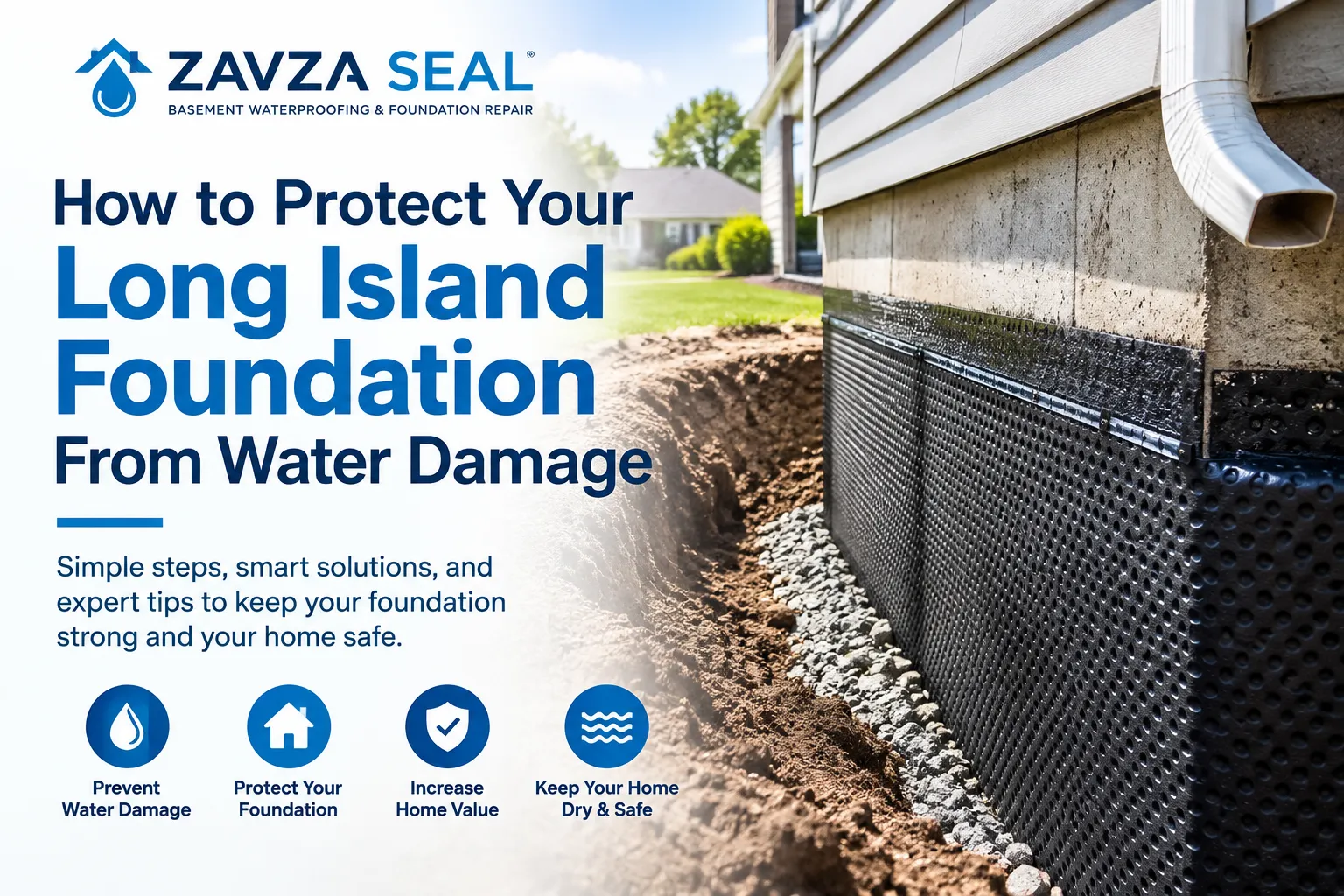
- Structural Damage: Excessive moisture can weaken building materials, leading to problems like wood rot, foundation damage, and paint peeling.
- Pest Infestations: Certain pests, such as dust mites and cockroaches, flourish in humid conditions.
- Uncomfortable Living Conditions: High humidity can make homes feel stuffy and uncomfortable, even in air-conditioned spaces.
These issues highlight the importance of effective dehumidification strategies for maintaining a healthy and comfortable living environment in Long Island homes.















Sign in to leave a comment.