
A beautiful smile can make a big difference in how you feel about yourself. If you have chipped, discoloured, uneven, or slightly damaged teeth, cosmetic dental treatments can help improve their appearance. One popular option is dental bonding, a simple treatment that can make noticeable changes to the shape and look of your teeth.
When people search for Dental Bonding Before and After, they are often looking for realistic information about what the treatment can achieve. Understanding the process, benefits, and expected results can help you decide whether dental bonding is right for your smile.
What Is Dental Bonding?
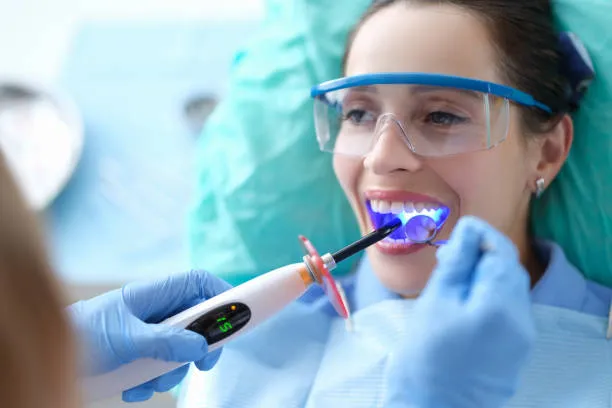
Dental bonding is a cosmetic dental procedure that uses a tooth-coloured composite resin to improve the appearance of teeth. The dentist carefully applies the resin to the tooth, shapes it to create the desired look, and then hardens it using a special light.
The treatment can be used to address several common cosmetic concerns, including small chips, gaps between teeth, uneven edges, and mild discolouration.
One of the main advantages of dental bonding is that it is usually a relatively quick procedure. In many cases, the treatment can be completed during a single dental appointment.
Dental Bonding Before and After: What Changes?
The results of dental bonding can vary depending on the condition of your teeth and the result you want to achieve. Before treatment, a tooth may have a small chip, uneven edge, or gap that affects the overall appearance of your smile.
After bonding, the composite resin is shaped to blend naturally with the surrounding tooth. This can make the tooth look smoother, more even, and better proportioned.
The goal is not simply to make a tooth look different. A good cosmetic result should look natural and complement your overall smile.
How Does Dental Bonding Work?
The dental bonding process generally involves a few simple steps.
First, your dentist examines your teeth and discusses the changes you would like to make. The tooth may then be prepared so that the bonding material can adhere properly.
A tooth-coloured composite resin is applied to the selected area. The dentist carefully shapes and moulds the material to achieve the desired size and appearance.
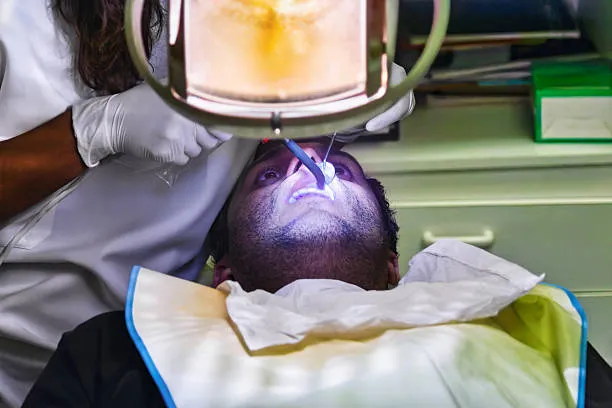
A special curing light is then used to harden the resin. Once the material has set, the dentist can make final adjustments and polish the tooth.
The finished result should blend with your natural teeth and provide a smoother, more balanced appearance.
Benefits of Dental Bonding
Dental bonding can be an appealing option for people who want a relatively straightforward cosmetic dental treatment. Some potential benefits include:
- Improving the appearance of chipped teeth
- Helping close small gaps
- Reshaping uneven teeth
- Improving the appearance of slightly discoloured teeth
- Creating a more balanced smile
- Usually requiring little removal of natural tooth structure
- Often being completed in one appointment
Your dentist can assess your teeth and explain whether bonding is suitable for your specific needs.
How Long Does Dental Bonding Last?
The lifespan of dental bonding can depend on several factors, including your oral hygiene habits, diet, biting forces, and the location of the bonded tooth.
Composite resin can also be more prone to staining and wear than natural tooth enamel. Maintaining good oral hygiene and attending regular dental check-ups can help keep your bonded teeth looking their best.
It is also a good idea to avoid using your teeth to bite hard objects, as this can increase the risk of chipping or damaging the bonding.
Dental Bonding or Veneers?
Dental bonding and veneers can both improve the appearance of teeth, but they are different treatments. Bonding uses composite resin that is applied directly to the tooth, while veneers are thin shells designed to cover the front surface of a tooth.
The best option depends on factors such as your dental health, cosmetic goals, budget, and the condition of your teeth. Your dentist can discuss the advantages and limitations of each option before recommending a treatment.
Porcelain Veneers Before and After: Understanding the Results
Another popular cosmetic dental treatment is porcelain veneers. People searching for Porcelain Veneers Before and After are often interested in seeing how veneers can change the appearance of their smile.
Porcelain veneers are thin, custom-made shells that are placed over the front surfaces of teeth. They can be used to improve the appearance of teeth affected by staining, uneven shapes, minor chips, or other cosmetic concerns.
What Can Porcelain Veneers Improve?
Porcelain veneers can help create a more uniform and balanced smile. Depending on your individual needs, they may be used to improve:
- Tooth colour
- Tooth shape
- Minor chips
- Slightly uneven teeth
- Small gaps
- The overall appearance of the smile
The result should be designed around your natural facial features and smile rather than simply making every tooth look identical.
Porcelain Veneers Before and After: What to Expect
Before veneers are placed, your dentist will assess your teeth and discuss your desired outcome. The colour, shape, size, and overall appearance of the veneers can be planned before treatment.
During the treatment process, a small amount of enamel may need to be removed to prepare the teeth, depending on the type of veneers and your individual circumstances. Impressions or digital scans can then be used to create custom veneers.
Once the veneers are ready, they are carefully positioned and bonded to the teeth.
After treatment, the teeth can appear more even, brighter, and uniform. However, the final result depends on the starting condition of your teeth and the treatment plan created by your dentist.
Choosing the Right Cosmetic Dental Treatment
Every smile is different, so there is no single cosmetic dental treatment that is suitable for everyone. Dental bonding may be a good choice for smaller cosmetic changes, while porcelain veneers may be considered when a more comprehensive change to the appearance of several teeth is desired.
A professional dental assessment is the best way to understand your options. Your dentist can examine your teeth, discuss your expectations, and explain what type of result is realistically achievable.
Maintain Your New Smile
Whether you choose dental bonding or porcelain veneers, good oral care remains important. Brush your teeth twice a day, clean between your teeth, and visit your dentist for regular check-ups.
With appropriate care and professional guidance, cosmetic dental treatments can help you maintain a healthy and confident-looking smile.
If you are considering treatment, speak with a qualified dentist about your goals and ask to see suitable Dental Bonding Before and After or Porcelain Veneers Before and After examples. This can help you understand what may be achievable for your own smile.
























Sign in to leave a comment.